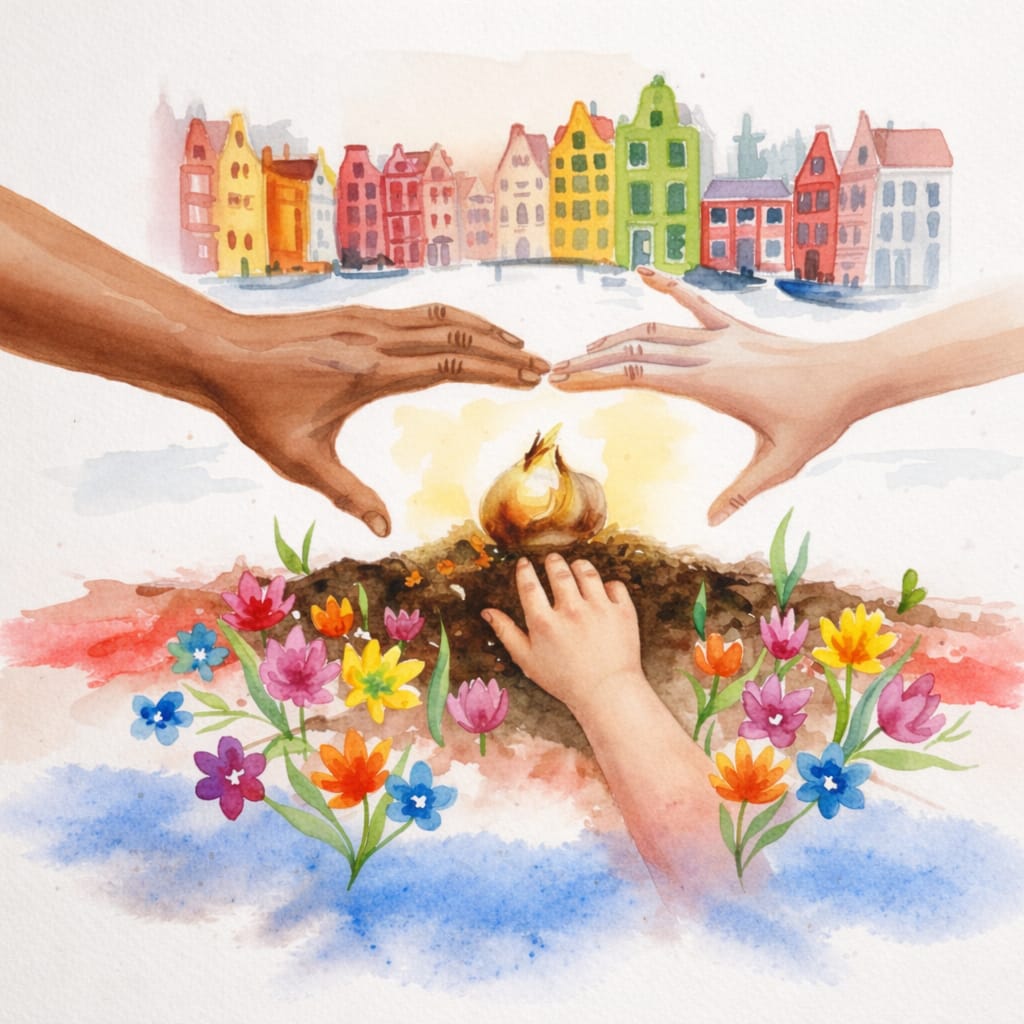
Hoofdredactie met Greg Suffanti & Wa’ad Mkarem & Quest for Wisdom Circle: – April 2026 – text, photo’s and art
When I received this amazing letter from my dear friend Greg Suffanti with his story about his way of transforming deep suffering, I felt he has an important lesson to tell how to deal with depressing feelings about the current situation in the world. I’m grateful to be able to share his life lesson how to process the increasing negativity into positive action, so that it may inspire others. In order to co-create as community something meaningful in response to this dark age, I added more contributions from members of our Quest for Wisdom Circle on traditions of their cultural background.
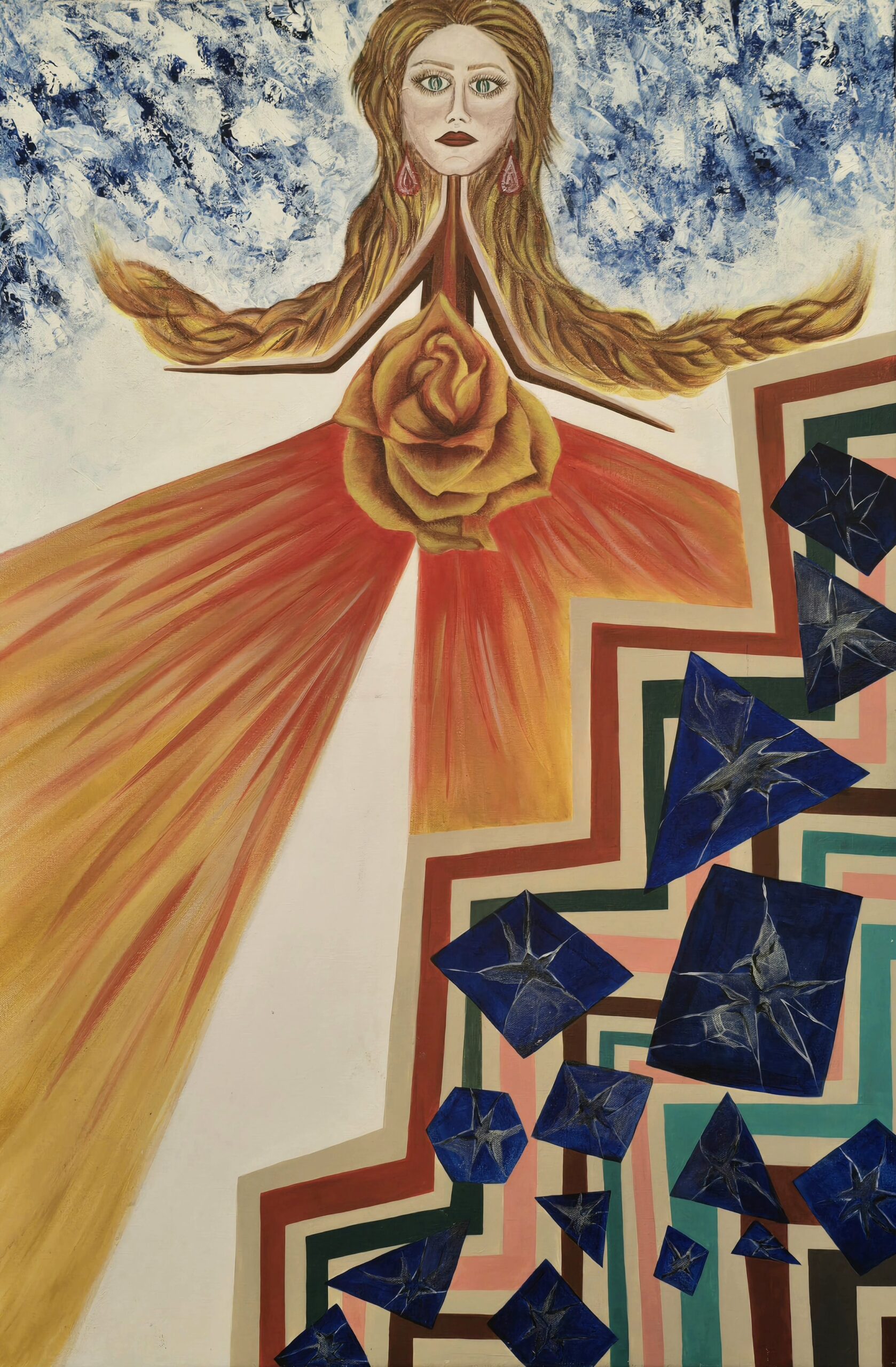
Especially Wa’ad Mkarem, a dear and newly welcomed member in our Soul Circle, has a wonderful story to tell about the spiritual art of creating light and new life out of chaos: just as Mother Earth shows us this miracle every year with the Seasonal Changes, traditional communities — like the Druze in Syria from which her family delineates — cultivate this transformation in mythical stories and rituals. Her knowledge of natural wisdom is such an inspiring example of how Spring Rituals are passed on intergenerationally as living tradition. Now, living in the Netherlands, she expresses this power of her rich cultural heritage through art: like this cover painting “Een Nieuwe Schepping”!
Wa’ad’s, Gregs as well as the contributions of other show how we could find a tilting point: how to transform the negative energy into positive way’s, both individually as well as collectively. How to co-create inter-cultural rituals, connecting people in Circles of Concern (about which the philosopher Martha Nussbaum has written so wisely) with the beauty of colourful cultural heritage that we ourselves as world citizens embody?
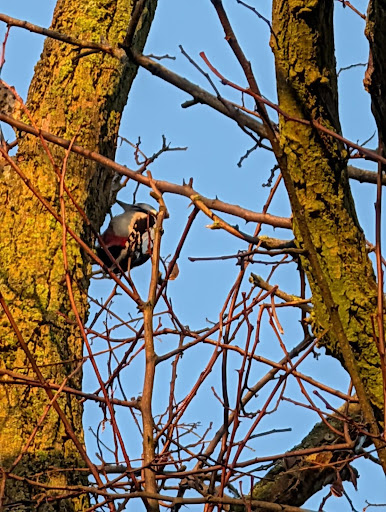
The Song of the Woodpecker
The Eight Worldly Dharmas of Trump Derangement Syndrome and How I Overcame Them
My Personal Quest to Find Hannah Arendt’s Amor Mundi in a World on Fire
This letter was written on the 13th of March 2026, a time in which there are profound geopolitical shifts in the world, as America has replaced Venezuela’s leader, placed an energy embargo on Cuba, tariffs on its trading partners and along with Israel, have started a War with Iran, while Europe is still at war with Russia… Amungst other wars, upheaval and general unhappiness in the world.
There Is No Distance in Our Shared Wish for a Better World
To my dear old friend and colleague Heidi Muijen
Sitting at my desk here in the Connecticut rural countryside, I’m listening to a Pileated Woodpecker claim an old snag just outside my property line. As it harvests the food the rotting snag provides, its tat-tat-tat drumming rhythm reminds me it is spring once again, a time of rebirth and renewal. I chuckle to myself, having literally felt that I’ve been beating my head against a wall these last months, with all the upheaval and uncertainty, thinking that, unlike me, the woodpecker actually achieves something useful by beating its head against a ‘wall’!
I’ve been wanting to contribute to your project on World Citizenship (Wereldburgerschap) for some time now. This letter addresses your June ‘25 letter about the power of creativity and imagination. Nearly ten months have passed since your last letter, and now I feel ready to respond and to try to contribute to your project by sharing my own experiences with a feeling of lost creativity, and how I’ve been going through a process of recultivation and rediscovery of potential, including the power of imagination.
Life energy from New Year- & Spring Rituals
In the development and design of the QfWf spring activities, the beautiful new generation of intercultural Circle Members from all corners of the world contribute strongly and colourfully to our 2026-Programme, in collaboration with a handful of interns from both the Erasmus University Rotterdam as well as the University of Amsterdam!
Wa’ad Mkarem explains that Syria possesses long-standing traditions and customs for celebrating the spring season, reflecting the country’s rich cultural diversity. These traditions bring Syrians together in expressions of joy, including folk dances (dabke), wearing colorful clothing, and celebrating the beauty of nature during its most beautiful season.
Among the most prominent of these celebrations are:
1. The Druze Celebration of Spring:
The Druze celebration of spring is more closely linked to spiritual symbolism and the renewal of life rather than to a loud popular festival like some other holidays. Spring among the Druze is expressed through several practices and traditions, especially in areas where Druze communities live, such as Jabal al-Druze in Syria, Lebanon, and Palestine.
2. Nowruz Festival:
Celebrated by Kurds and residents of northern Syria on March 21. It is marked by lighting bonfires, performing folkloric dances, and wearing traditional clothing.
3. The Fourth Festival (Festival of Flowers – “Eid al-Rabea”):
Celebrated by villagers, especially in the Syrian coastal region, on April 17. People go out into nature accompanied by drums, traditional wind instruments, and traditional foods, celebrating together outdoors.
Read about the origins and rituals of the Fourth Festival, the Festival of Flowers
Read about the origin of Nowruz traditions.
On the photo below you see a Nowruz celebration.”
Nowruz - foto Wa'ad Mkarem

Co-creating an Inter-Cultural Spring Ritual
In the winter months, the Quest for Wisdom Circle in Utrecht has gathered ingredients for the development of the Inter-Cultural Spring Ritual for the Spring Gathering on 21 March. With the creative energy of both interns and voluteers, this process of co-creation has gained momentum. By interviewing Circle members about their memories of family and cultural rituals around spring, Brit Wiertz from the Erasmus University Rotterdam designed a multifaceted transcultural theme of ‘bidding farewell to the old and embracing new life in nature’
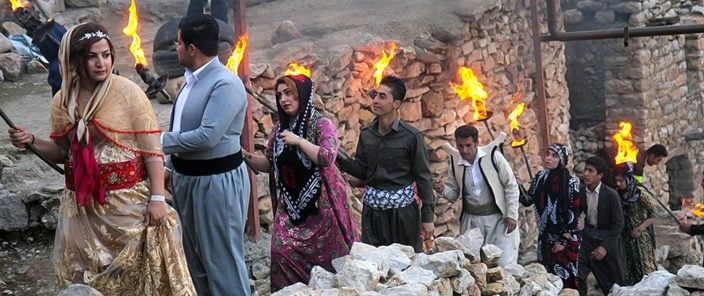
Nowruz — photo Wa'ad Mkarem
Daniela from a multicultural background:
“There are some traditions when it comes to spring, I remember that in Moldova people give each other bracelets on the 1st of March that are red and white. It’s called Mărțișor. On the first of March people give each other the Mărțișor. There is some meaning behind these colours: red means life, coming from blood, while white symbolises purity and new beginnings. Together it stands symbol for renewal and protection. You keep your
Mărțișor for a certain period when the spring starts.
There are some legends, like: Winter and Spring were fighting; the Sun was captured by Winter. The world fell into darkness and cold. A brave young man challenged Winter to free the Sun, he succeeds but he was wounded, his blood fell on the snow and there the first spring flowers grew. Mărțișor symbolises the red of his blood and the white of the snow. It’s about sacrifice and renewal. Traditionally men give it to women, and parents give it to children. That’s probably why my mom was giving it to me; It’s a gesture of protection, good luck, health and love.
Spring is a new beginning; I am feeling the life again in me. Winter is a dead period, but in spring inside I can also feel some blossoms.”
Razia from Pakistan:
“Spring is the season of happiness and enjoyment. You start indoors, and then gradually you go more outdoors. Spring is celebrated by planting new seeds, in schools children also do projects with planting seeds and growing plants. Spring season in Pakistan starts at the end of March and continues all through April. There is a certain yellow flower that starts popping up everywhere in spring. When you see this flower popping out of the ground, even when it’s not blooming yet, you know that spring is coming. The grass becomes greener again; it starts growing again. The world becomes green and yellow; it looks like a painting, if you look at it from far away it’s a swirl of colours.
The celebration of the Basant festival is held in Pakistan: it’s a spring festival … the season of happiness because in the winter, everybody is stuck inside due to the cold … When it’s spring you can finally spend time outside again. Everyone brings some food, you invite people and come together with your family… we mainly eat barbeque, but also traditional dishes like Briani.
The kite flying is the main event during the festival. The kites are very colourful, so seeing them all in the sky makes the sky colourful as well. … The enjoyment of the weather is also a big part of it, it’s a celebration of the improvement of the weather. The Basant festival is an old tradition.”
Ebi from Iran:
“In Iran, celebrating Nowruz (means “New Day”), at the beginning of the spring (marked by the solar calendar, in the middle of march) comes with different foods (Green Rice with Fish). It’s served with something sweet, cookie with raisin bread, which looks very much like the “Arnhems grofje” that Brit shared with us.
Iranian raisin cookies and sweets are related to happiness and spring festivities. In fact, sweets are served in general, but the ones with raisins also are served on happy occasions, not just Nowruz.
Nur from Turkey:
“When I read about Nowruz, I saw that it is celebrated in different countries, but it is also a Turkish ritual about spring. Our country has seven regions; every region has their own culture. The Mediterranean region is very different from the north — also when it comes to the rituals. Turkish people came from Asia originally; it’s an old Asian tradition. At home we didn’t celebrate it.
Some people ignite a big fire on the 21st of March and jump over the fire as a cleansing ritual. My father was a policeman in Turkey, these kinds of events sometimes cause some problems, so that’s how I knew about them. My family did not celebrate Nowruz, we have our own rituals and traditions. From my own family we have the tradition of deep cleaning of the house. It’s also a cleaning for the new season
Even when we don’t have rituals or celebrations, our bodies feel the difference in the seasons. I feel this in my body; it’s difficult for me to fall asleep nowadays.”
Irene from Holland:
“When I think of spring, I think of the big spring clean. In the past, everything had to go outside in spring: the beds, the chairs, all the blankets were washed. They were aired, then thoroughly beaten with a carpet beater and cleaned with a brush. If the bedding was too thin, it was filled with kapok (formerly used as mattress stuffing). There was special equipment to do this properly. Then the whole room would be whitewashed or redecorated, everywhere vacuumed, the cupboards cleaned, the furniture polished.
The spring cleaning always started on the first fine day of the year, and by Easter everything had to be ready. Often we spent three weeks cleaning and tidying the whole house thoroughly; it took quite a while to get through all the rooms. It was not nice weather every day: on such days, no cleaning was done. This was a tradition throughout the country. Then you would ask others in the village: “how far have you got with the cleaning?”
When I think of spring, I also think of Easter. Whether it snowed or rained, all men had to go to church in a suit, no overcoat, nothing. Usually at Easter you got a new summer dress, which you would wear for the first time at the Easter Mass. Everyone had to look their best for Easter: wearing their finest clothes.”
Wa’ad from Syria:
“Spring can be seen as a natural image that mirrors the soul’s journey toward perfection and knowledge, in a way that resonates with Hermetic philosophy, where nature itself reflects divine wisdom. In Druze culture, spring is perceived as the season in which the hidden beauty of nature reveals itself: the greening of the earth, the rich diversity of flowers, the clarity of the sky, and the gentle radiance of sunlight. This harmony of colors and forms is not seen as mere coincidence, but as a reflection of deeper cosmic principles. It evokes the balance of the five universal principles, as if nature itself becomes a living expression of spiritual symbolism. In this sense, the visible world mirrors the invisible, echoing a timeless wisdom
found in Hermetic thought, where the order of the cosmos is reflected in the smallest details of creation.
The Druze celebration of spring is therefore quiet and contemplative rather than ceremonial. It is expressed through closeness to nature, meaningful social connection, and inward reflection. The season invites not outward display, but inner awareness. Within Druze philosophy, spring holds a profound spiritual meaning. It is associated with renewal, the continuity of existence, and the reawakening of light after stillness. More than
a natural transition, it is understood as a cosmic symbol, an image of the soul’s journey toward knowledge and perfection. Like the Hermetic insight that the universe and the soul reflect one another, spring becomes a mirror of inner transformation: a passage from dormancy into illumination, from silence into harmony.”
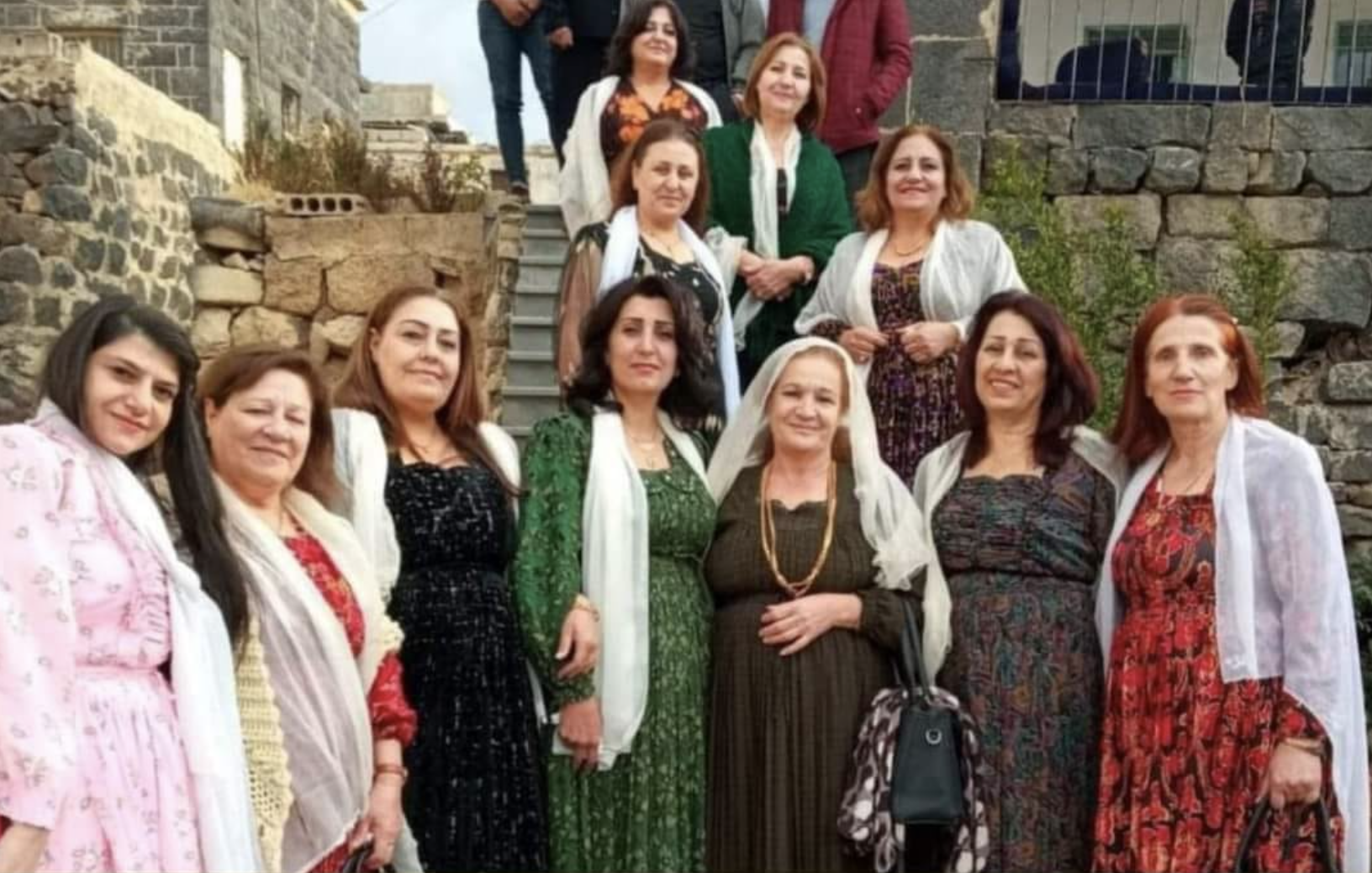
"Habaq Ateeq" (Old Basil) is a cultural and social organization based in Al-Suwayda.
The celebration of the Spring in Syria
The celebration of the Spring Festival and the New Year according to the ancient Syrian calendar (around 3000 BCE) symbolized the union or sacred marriage between the sky and the earth. This union represented the meeting of the divine with the human, through which a new birth occurs for both humanity and nature. Nature and life are renewed in a heavenly human love from which the renewed Son of Humanity is born.
Syria possesses long-standing traditions and customs for celebrating the spring season, reflecting the country’s rich cultural diversity. These traditions bring Syrians together in expressions of joy, including folk dances (dabke), wearing colorful clothing, and celebrating the beauty of nature during its most beautiful season.
Among the most prominent of these celebrations are:
1. The Druze celebration of spring:
The Druze celebration of spring is more closely linked to spiritual symbolism and the renewal of life rather than to a loud popular festival like some other holidays. Spring among the Druze is expressed through several practices and traditions, especially in areas where Druze communities live, such as Jabal al-Druze in Syria, Lebanon, and Palestine.
2. Nowruz Festival:
Celebrated by Kurds and residents of northern Syria on March 21. It is marked by lighting bonfires, performing folkloric dances, and wearing traditional clothing.
3. The Fourth Festival (Festival of Flowers – “Eid al-Rabea”):
Celebrated by villagers, especially in the Syrian coastal region, on April 17. People go out into nature accompanied by drums, traditional wind instruments, and traditional foods, celebrating together outdoors.
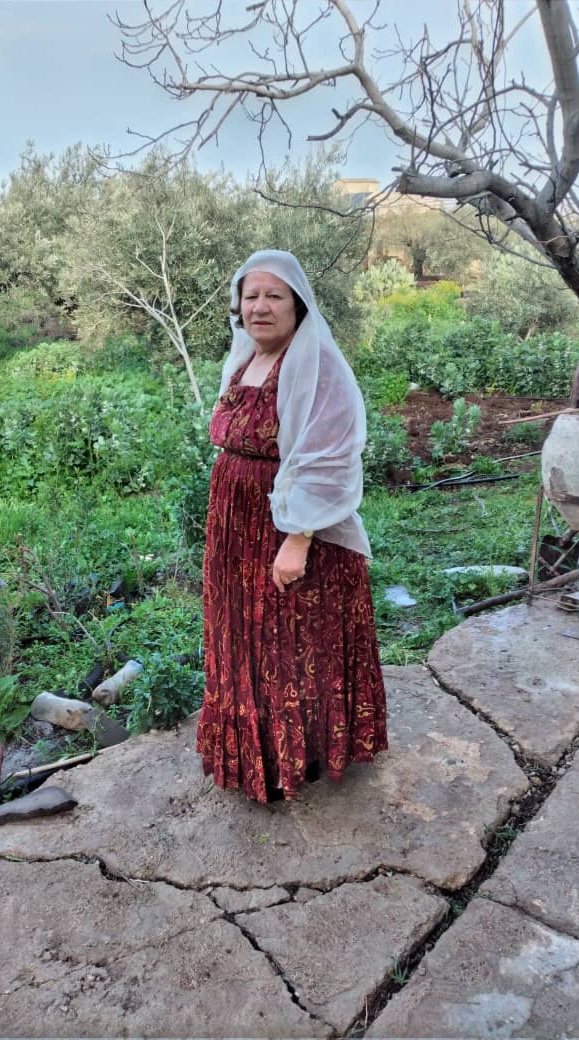
Grandmother in traditional Druze clothes - photo Wa'ad Mkarem
The Druze Celebration of Spring
The Druze celebration of spring is more closely linked to spiritual symbolism and the renewal of life rather than to a loud popular festival like some other holidays. Spring among the Druze is expressed through several practices and traditions, especially in areas where Druze communities live, such as Jabal al-Druze in Syria, Lebanon, and Palestine.
The Connection with Spring
In Druze culture, spring is seen as the season in which these natural colors become visible, the greenery of the earth, the variety of flower colors, the clarity of the sky, and the light of the sun.
This diversity reminds people of the harmony of the five principles in the universe, as if nature itself reflects the spiritual symbolism of these colors.
The Druze celebration of spring is generally calm and spiritual rather than a large ritual celebration. It is reflected in connecting with nature, social visits, and spirituality.
1. Going out into nature (spring outings)
With the beginning of spring, people go out to the fields and mountains to enjoy the green landscapes and wildflowers.
This expresses the renewal of life and spiritual clarity, because nature in Druze thought is considered a manifestation of the divine order in the universe.
2. Social visits and maintaining family ties
Spring is a season for visits between families and friends, where people gather to share food and conversation.
The aim is to strengthen love and solidarity within the community.
3. Visiting religious shrines
Some Druze visit the shrines of saints and prophets, such as the shrine of Prophet Shuʿayb in Hittin, especially in spring when religious gatherings and prayers take place.
4. Meditation and spiritual purity
Spring is viewed as a symbol of a new beginning and purity.
For this reason, many people focus on meditation, reading religious texts, and renewing their commitment to moral values and ethics.
5. Symbolism of flowers and greenery
The flowers and plants that appear in spring symbolize new creation, the balance between human beings and nature, and the cycle of life.
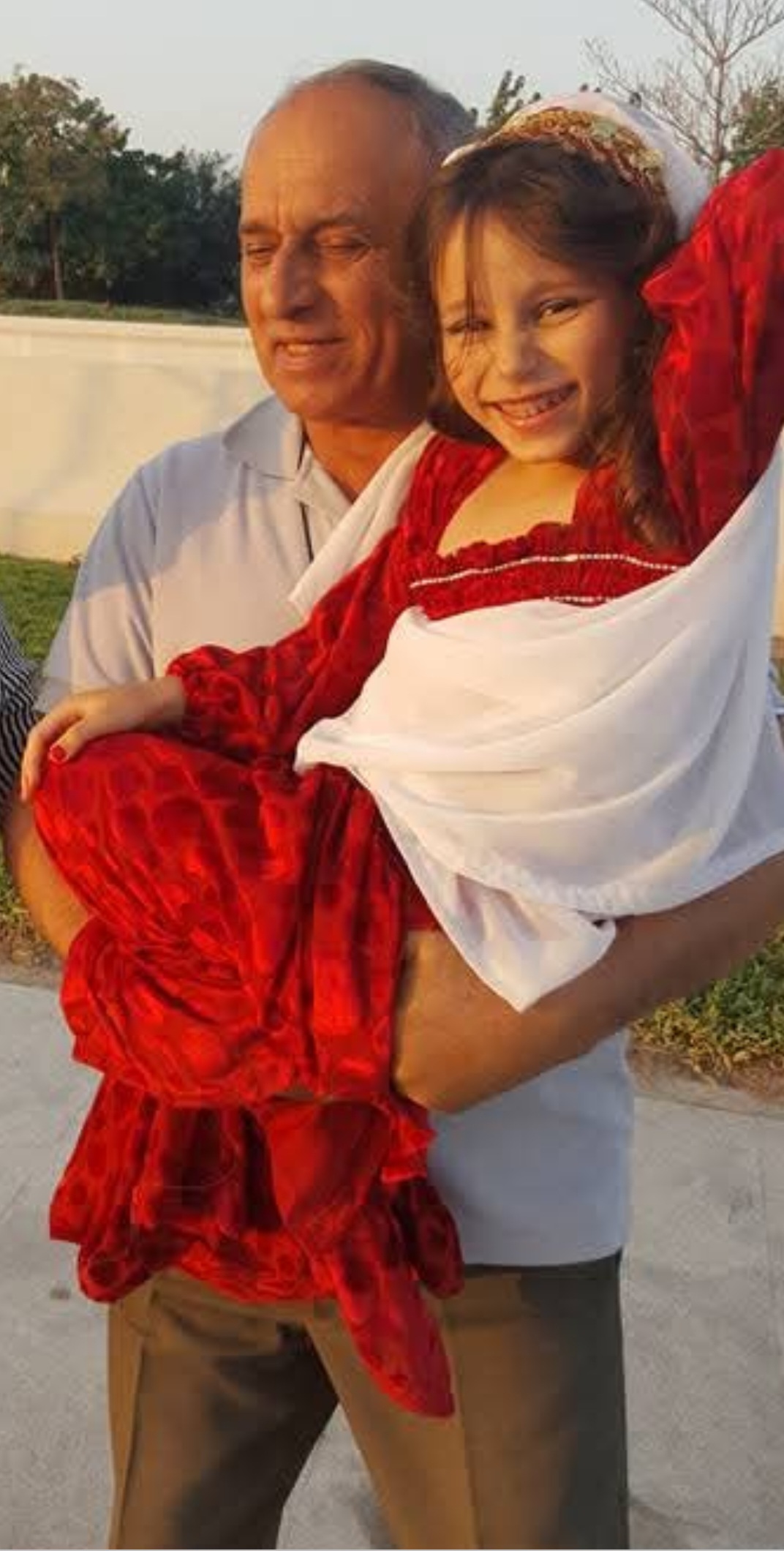
Grandfather and granddaughter in traditional Druze clothes - Photo Wa'ad Mkarem
The Symbolism of Spring in Druze Philosophy
In Druze philosophy, spring is fundamentally associated with the idea of spiritual renewal and the cycle of existence. It is a symbol of light and cosmic harmony. In Druze thought, spring is not viewed merely as a natural season but as a cosmic and spiritual symbol reflecting the renewal of life and the emergence of light after a period of stillness. It is seen as a natural image that mirrors the soul’s journey toward perfection and knowledge.
1. Spiritual renewal and rebirth
Spring symbolizes the return of life after winter. In Druze philosophy, this resembles the idea of the soul’s renewal and development over time. Just as the earth returns to greenery after dormancy, human beings are viewed as capable of moral and spiritual renewal.
2. Light after darkness
In Druze thought, which is connected to traditions of esoteric and Ismaili philosophy, spring symbolizes the emergence of light and wisdom after a period of obscurity or concealment.
Thus, spring is symbolically linked to the spread of knowledge and truth.
3. Balance between humans and nature
Nature in spring reveals a precise order plants growing, flowers blooming, and vitality returning to the earth. In Druze thought, this is understood as evidence of harmony between creation and the divine will, and that humans are part of this cosmic system.
4. The cycle of life and existence
Spring reminds people of the cycle of the seasons: apparent death in winter followed by life in spring. This corresponds with the concept of the transmigration of souls in Druze belief, where the soul continues to move and renew itself through life.
5. Purity and a new beginning
For this reason, spring is also associated with the purification of the soul, returning to moral values, and beginning anew in behavior and life.
n human beings and nature, and the cycle of life.
Spring and the Symbolism of the Druze Star
For the Druze, spring is not merely a beautiful season; it is seen as a symbolic mirror of harmony between nature and the five spiritual principles represented by the Druze star.
The Druze connect the colors of spring and flowers with their spiritual symbols through the five-colored Druze star, which is a central symbol in the Druze faith. This star represents five major spiritual principles, and its colors are viewed as symbols of spiritual forces that also appear in nature especially in spring when flowers bloom and colors diversify.
The Druze Star and Its Colors
The star consists of five colors, and each color represents a spiritual principle:
Green: symbolizes the Mind (al-ʿAql), representing wisdom and knowledge. In spring it appears in the greenery of plants and trees, symbolizing life and growth.
Red: symbolizes the Soul (al-Nafs), representing vitality and inner strength. It can be seen symbolically in red flowers that express energy and life.
Yellow: symbolizes the Word or Truth (al-Kalima / al-Haqq), representing honesty and light. It is associated with the color of the sun and the yellow flowers of spring that reflect light.
Blue: symbolizes the Preceder (al-Sābiq), a cosmic principle connected to beginnings and order. It resembles the clarity and vastness of the spring sky.
White: symbolizes the Successor (al-Tālī) and represents purity and spiritual perfection. It resembles the purity of some white flowers and the clarity of light.


Gerelateerde artikelen
audio, Beeldende Kunst, Inter-Culturele Rituelen voor Wereldburgerschap, Muzische expressie, Verslag, Video
Beeldende Kunst, Dichtkunst, Inter-Culturele Rituelen voor Wereldburgerschap