
Lucile Tassi – Juni 2026
Redactionele in- en uitleiding: Heidi Muijen – illustraties: Yassine el Azabi
Anna’s Tuin en Ruigte is in de afgelopen jaren getransformeerd van wat grasland en een sloot aan de rand van de campus waar Lucile Tassi studeert tot een inspirerend gebied ’tussen’ het wetenschappelijke bastion en de ‘gewone’ maatschappij. In dit ‘overgangsgebied’ is het liminele tastbaar geworden. Het maakt een sfeer voelbaar tussen de spreekwoordelijke ‘Ruigte’ als ‘het edele wilde’ en ‘de innovatieve Tuin’ als een wetenschappelijk en maatschappelijk verantwoord duurzaamheidsproject. Hoe mooi was het als Quest Kring op 11 april 2026 onder begeleiding van Lucile door deze tuin te wandelen, een groene oase omzoomd door de imposante universiteitsgebouwen en (snel)wegen. Zij nam ons mee in de geschiedenis vanuit haar betrokkenheid bij dit project.
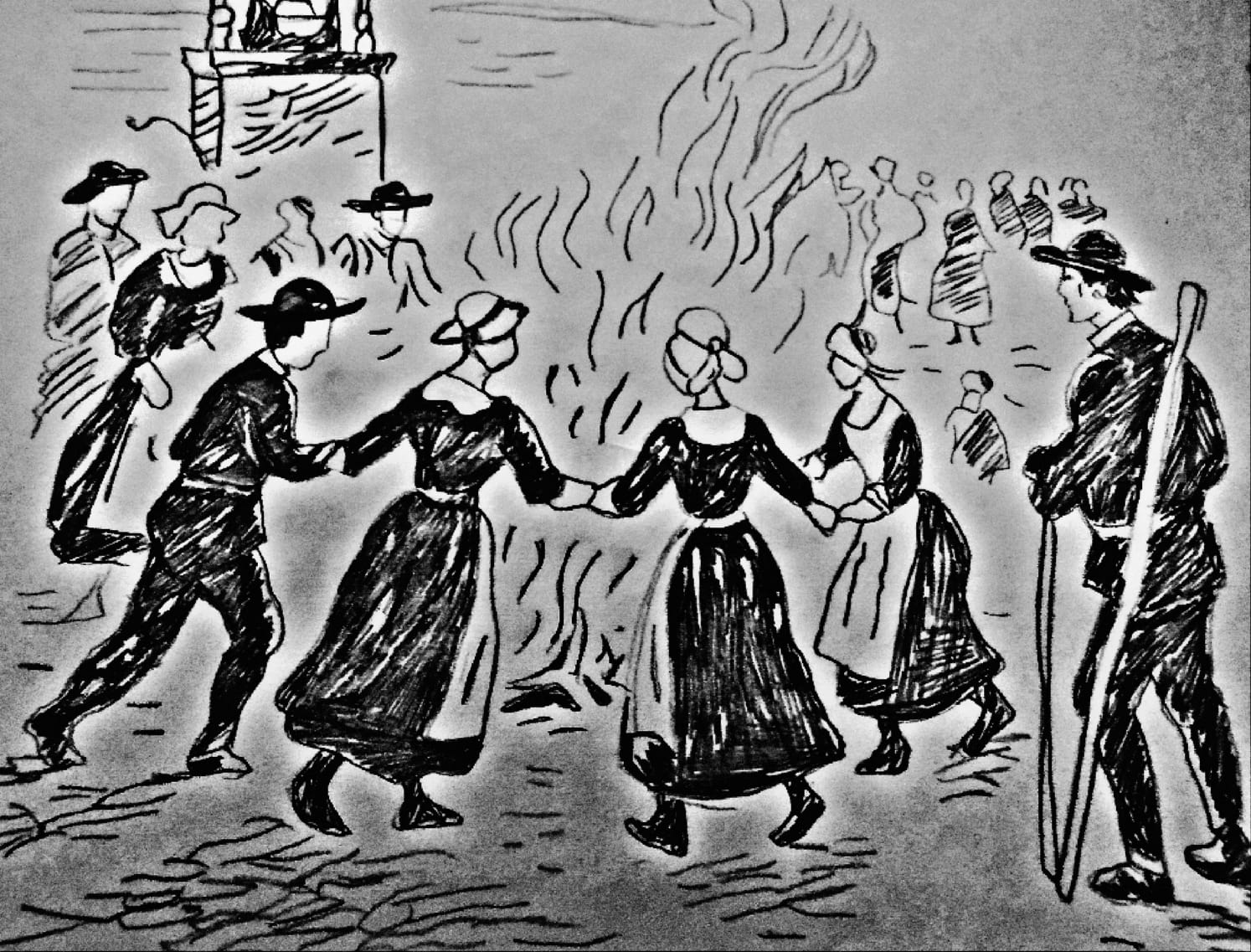
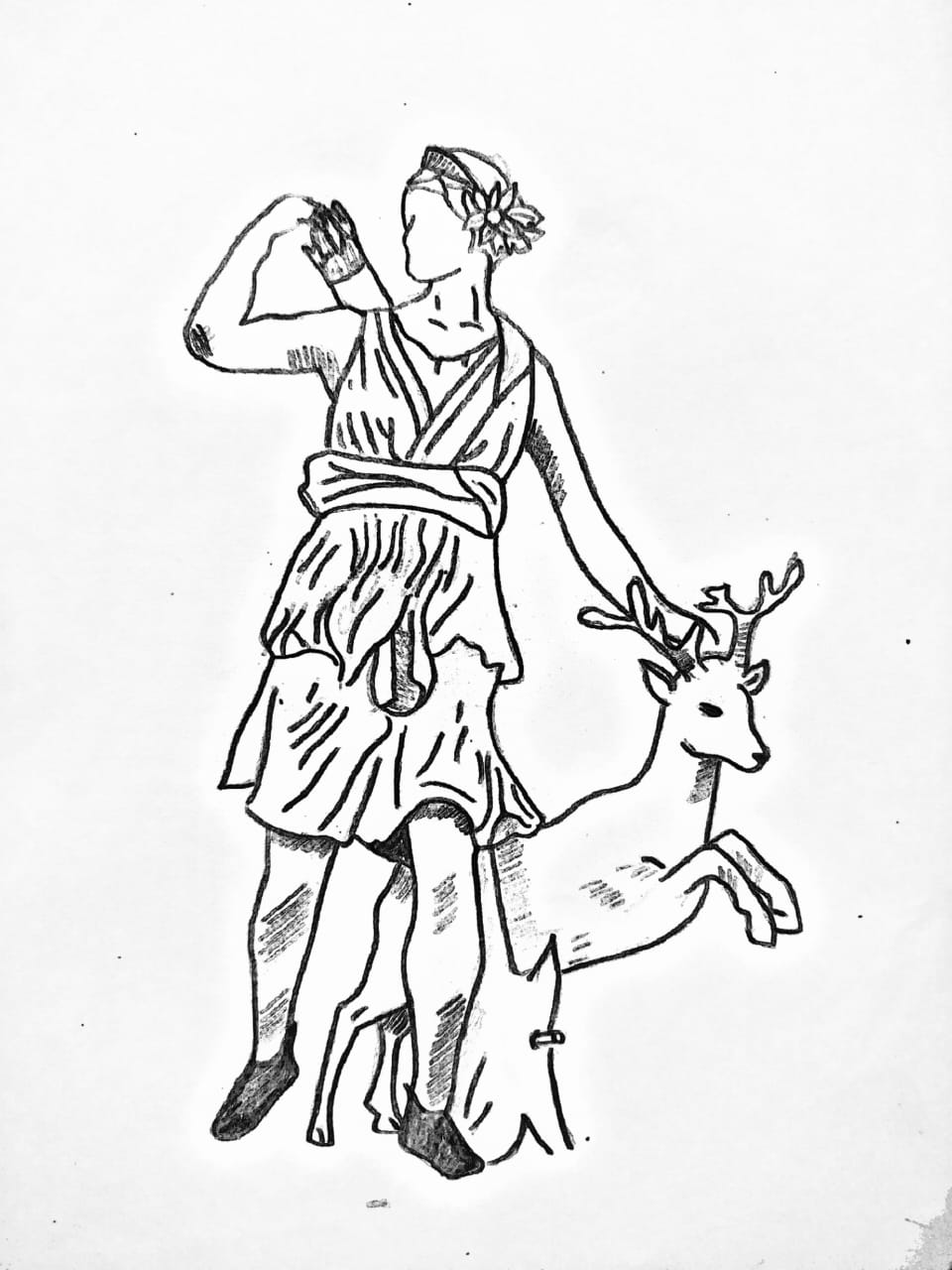
Op onze wandeling verbonden wij ‘het liminele’ met de symboliek van de dieren en wezens uit de zesde spelronde van Amor Fati. Deze wezens zijn hieronder gevisualiseerd als de Draak, de Slang en de Heks: zij leven volgens de mythische verhalen in een tussensfeer tussen natuur en cultuur, tussen het aardse en het kosmische, tussen het oerbegin en het einde der tijden, tussen ieders eigen culturele herkomst in een beproevend tijdsgewricht en ons verlangen naar een paradijselijke bestemming op de levensreis… Kortom: het liminele dient zich aan als een relationele sfeer – een open en onbestemd gebied tussen oorsprong en bestemming. Wie goed luister hoort er de oproep ’te worden wie je bent’!
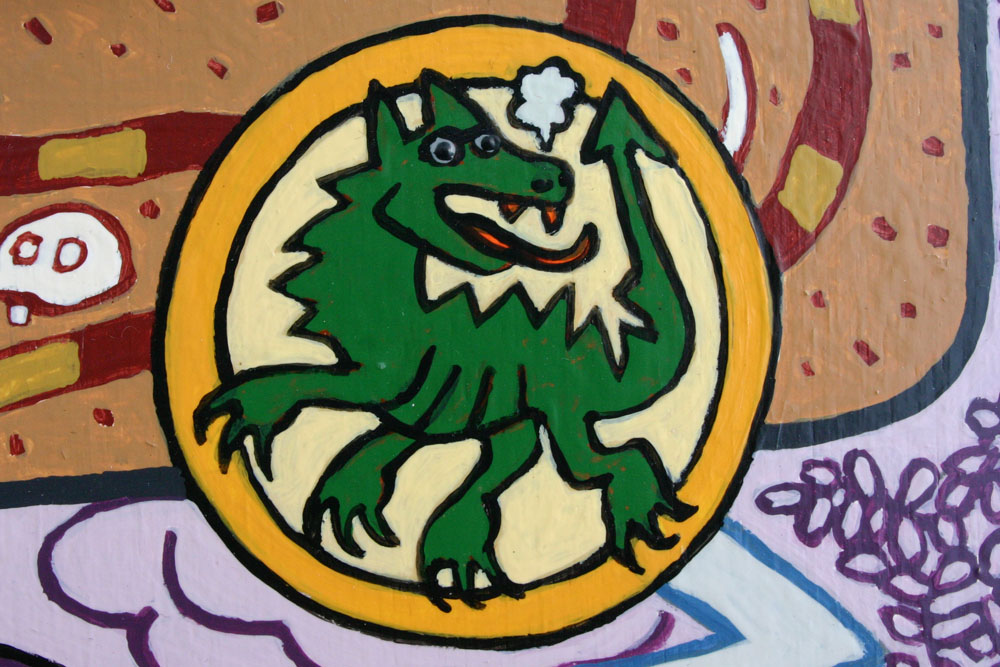

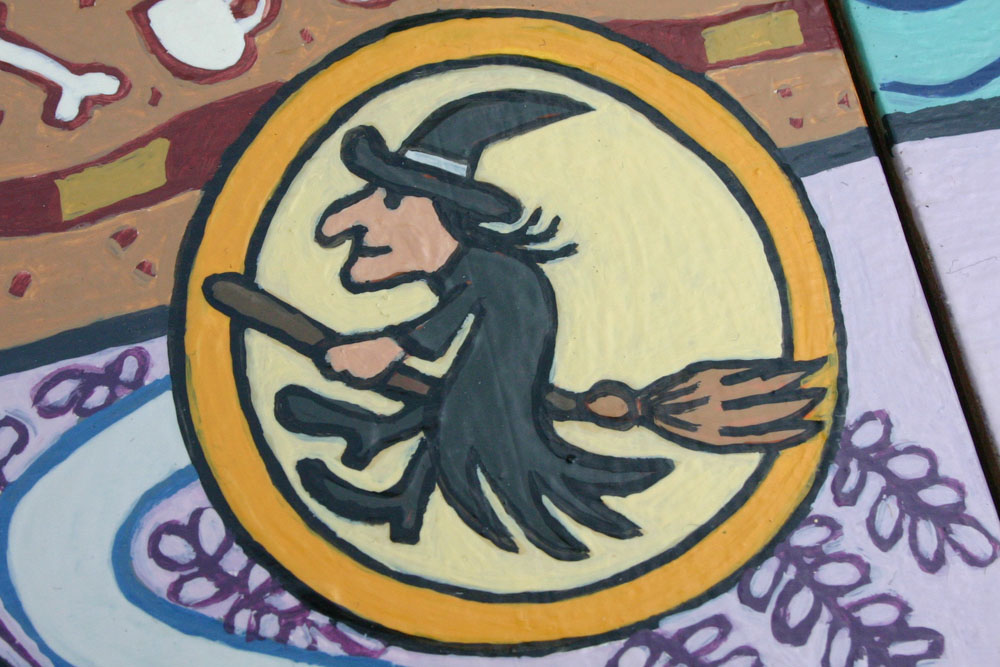
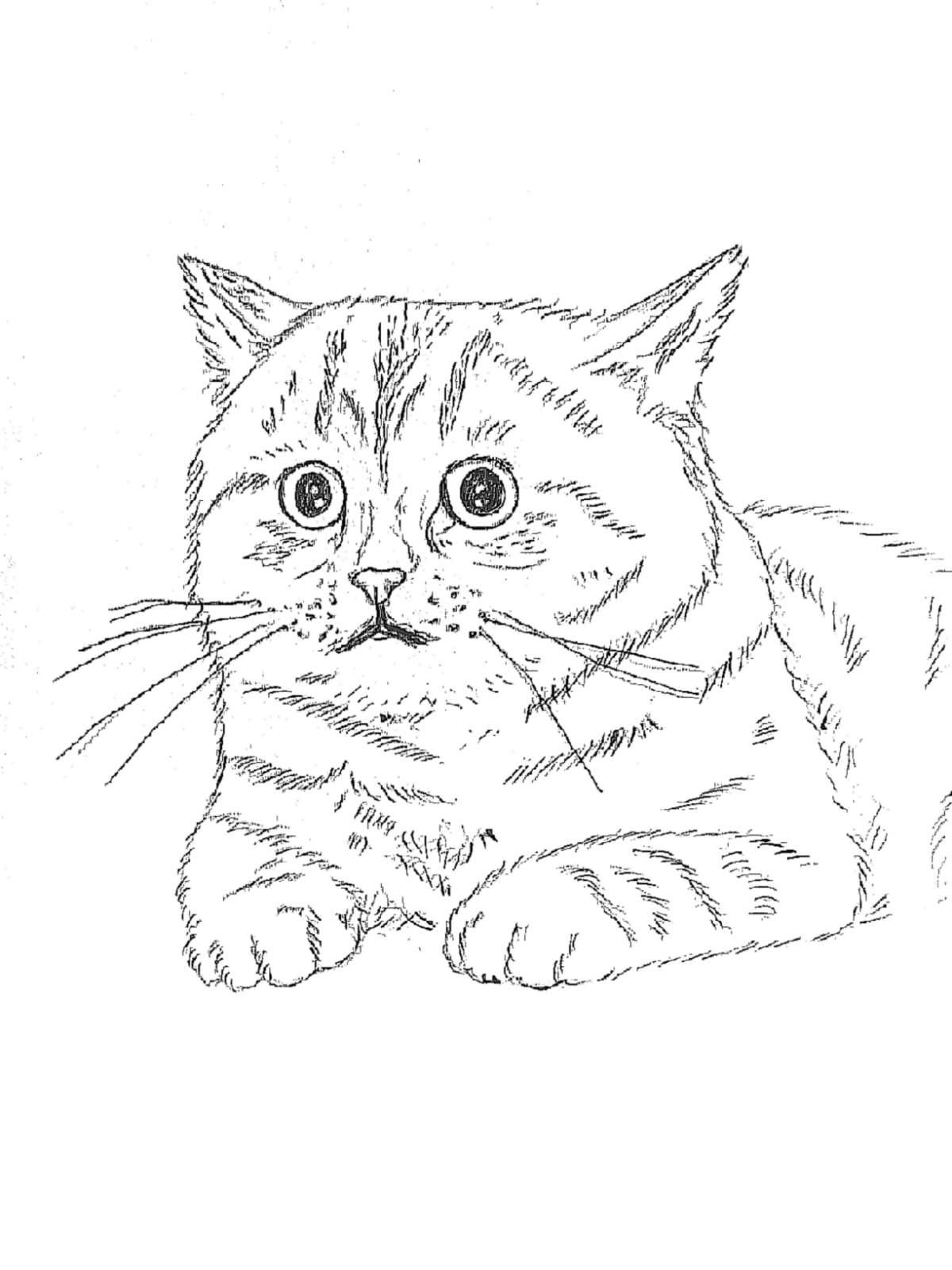
Zo hebben wij als Quest Kring dit thema in Anna’s tuin tot leven gewekt in een ‘elementaire sfeer’ van aarde, water, lucht en vuur: dit laatste element alleen als een kaarsje dat wij aanstaken rond de tapastafel waar wij uitwisselden hoe ieder het ontmoeten van alle bijzondere wezens in deze tuin heeft beleefd: de gewortelden, geschubden, geleedpotigen, harigen, … ! In het boek Amor Fati staat deze kunst van ontmoeting op p.330-335 geschetst rond de woorden van filosoof Martin Buber: “In den beginne is de relatie”, vertaald naar het hier en nu als “de bereidheid de ander binnen te laten en ver-ander-d uit de ontmoeting tevoorschijn te komen! Of dat nu drakig, heksig of elegant trippelend als een kat is…. Dat is in wezen bijzaak, want het gaat om het open laten van de liminele sfeer van ontmoeting en het ontwikkelen van een open cultuur door een ‘ritualisering van interculturele ontmoeting’. Lees hieronder het onderzoek dat Lucile Tassi uitvoerde rond de vraag wat de co-creatie van Inter-Culturele Rituelen van ons vraagt.
Rituals Across Borders:
Communication, Identity, and the Power of Shared Practice
Ritual is among the most persistent and universal features of human social life. Yet rituals are far from uniform: they are deeply embedded in specific cultural, religious, and historical contexts. I know this better than anyone else. As a third-culture student, I have experienced how cultures and rituals interact with one another, creating a uniquely beautiful practice. I have especially seen how, by allowing “external” cultures to influence existing rituals, they can become even more rich. Having studied anthropology and worked as an intern at Quest for Wisdom for the past half-year, I was inspired by our yearly theme to write this paper. I have both personal and intellectual stake in this, and wanted to look at them through a more academic lens. This paper draws on recent scholarship to explore how rituals function as vehicles of intercultural communication, examining what happens when ritual practices cross cultural boundaries: when they are observed, adopted, adapted, or rejected by outsiders. Rather than treating rituals as static cultural objects, the paper argues that they are dynamic communicative events whose meaning is continuously renegotiated in intercultural encounters.
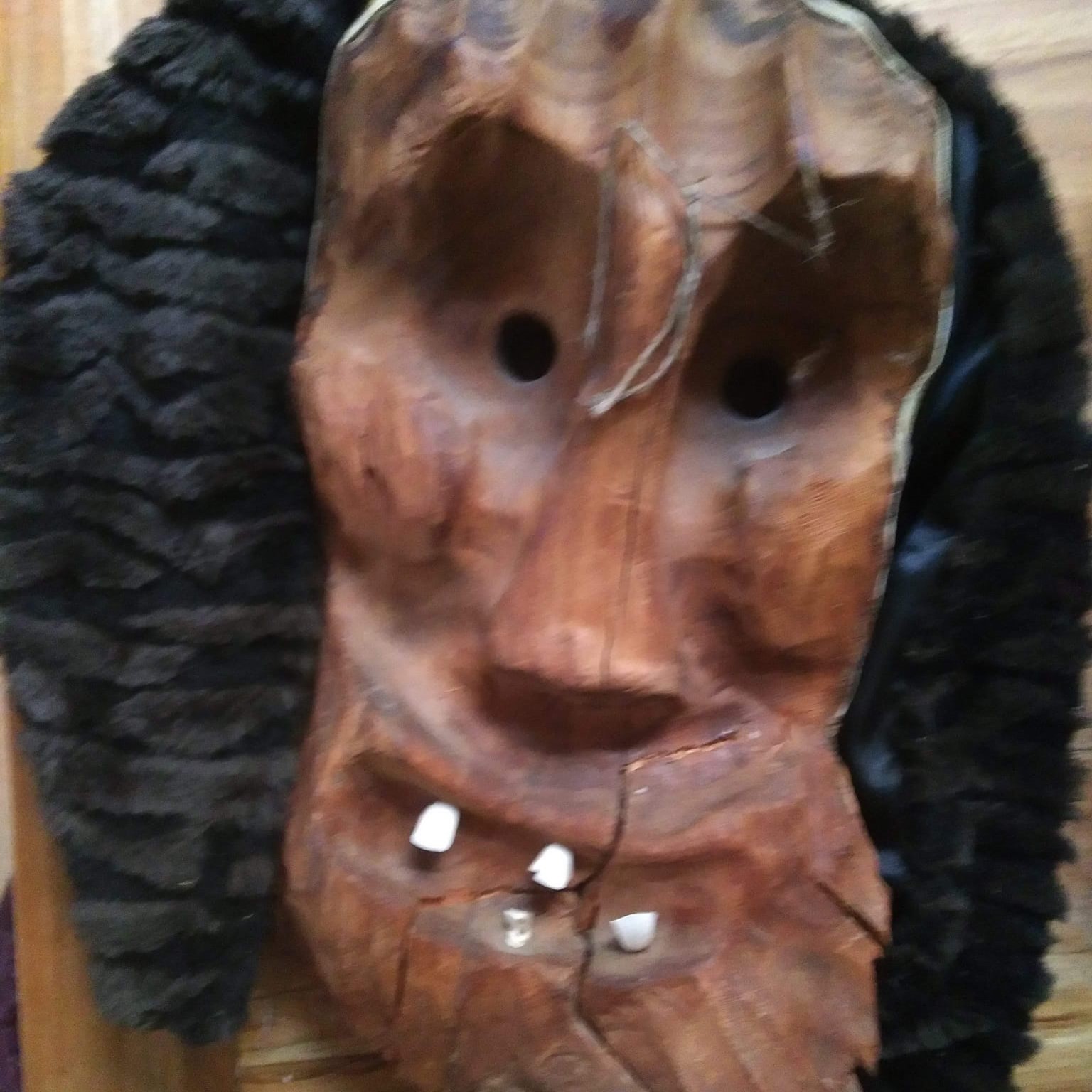
Foto Heidi Muijen
Introduction:
Ritual as a living medium of cross-cultural encounter
Ritual as a living medium of cross-cultural encounter
When a Russian Orthodox procession winds through a village on the Caspian coast, or a young Apache woman undergoes the Sunrise Ceremony marking her passage into womanhood, what is taking place is far more than religious observance. These are, simultaneously, acts of communication that are dense with meaning, identity, and social memory. The question that increasingly interests anthropologists and communication scholars alike is what happens to that communicative density when rituals travel: when they are witnessed, studied, or participated in by people who come from outside the tradition.
Azatovna (2021) frames ritual culture as the very bedrock of intercultural communication. Chistyakov and Chistyakova (2021) trace parallels and divergences between indigenous North American and Russian religious ceremonies. Dasih et al. (2022) examine how religious ritual in Bali operates as a site of intercultural exchange. Kint and Isik (2013) document what happens when participants from different national backgrounds are invited to perform and re-interpret each other’s rituals. And Duran Tekoglu et al. (2025) bring empirical data to bear on the individual-level factors that shape whether someone accepts or resists a ritual from another culture. Together, these works sketch a rich, if uneven, picture of ritual as a living medium of cross-cultural encounter.
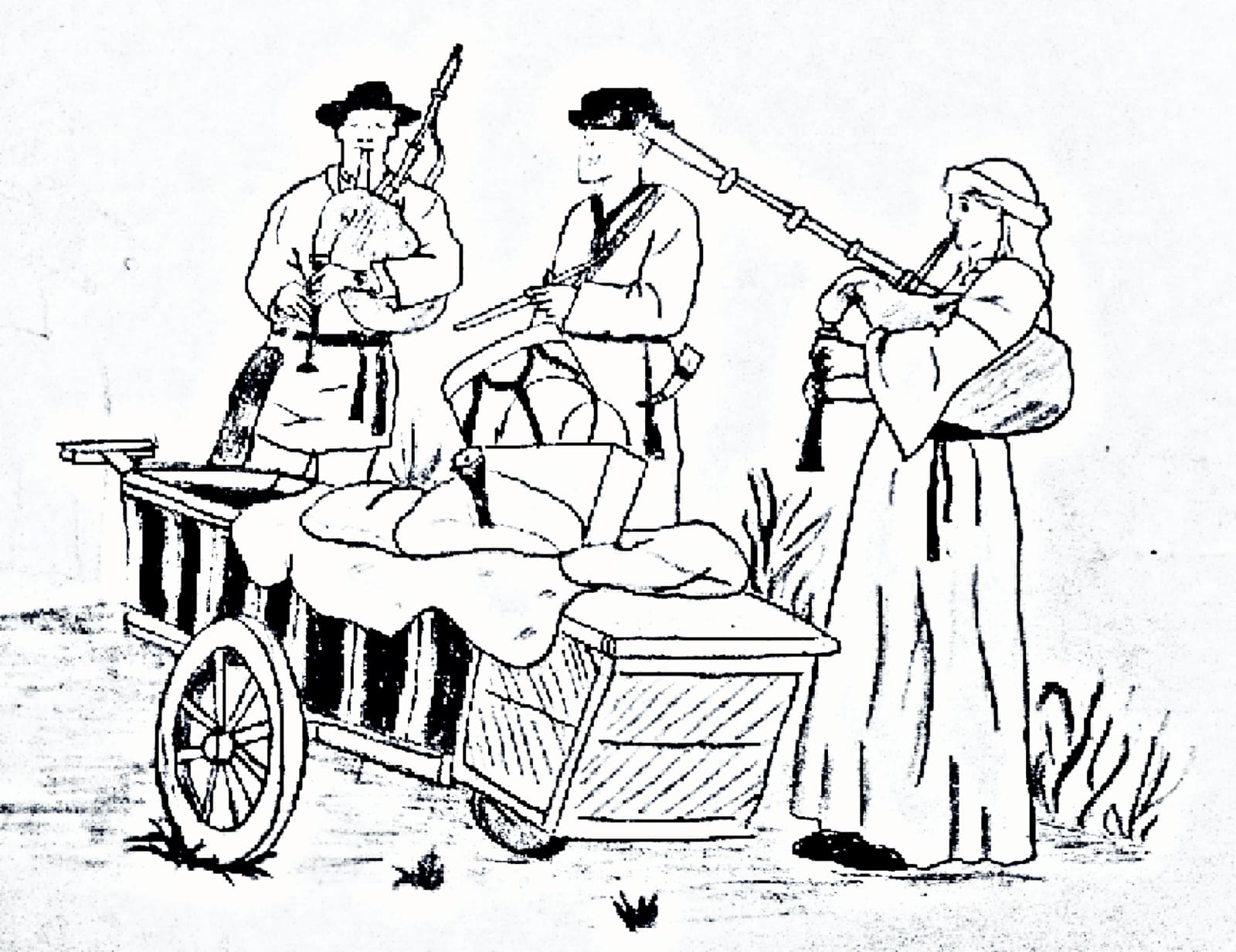
Traditions
Before rituals can be understood as intercultural phenomena, it is worth establishing what they are and what work they do within cultures. Azatovna (2021) makes a foundational claim: ritual culture is not one element of intercultural communication but its primary generative phenomenon. Rituals transmit values, norms, and collective memory across generations in a way that explicit verbal instruction cannot fully replicate. They encode a community’s deepest commitments in embodied, repeatable form. This view has deep roots in anthropological theory, but Azatovna’s contribution is to insist on its relevance for contemporary intercultural communication studies. In an era of rapid globalization, the rituals that communities maintain, or lose, or transform. become key indicators of cultural identity and resilience. Intercultural communication, on this account, is not simply a matter of learning a new language or adjusting communication styles; it involves engaging with entire ritual worlds that carry their own logic and grammar.
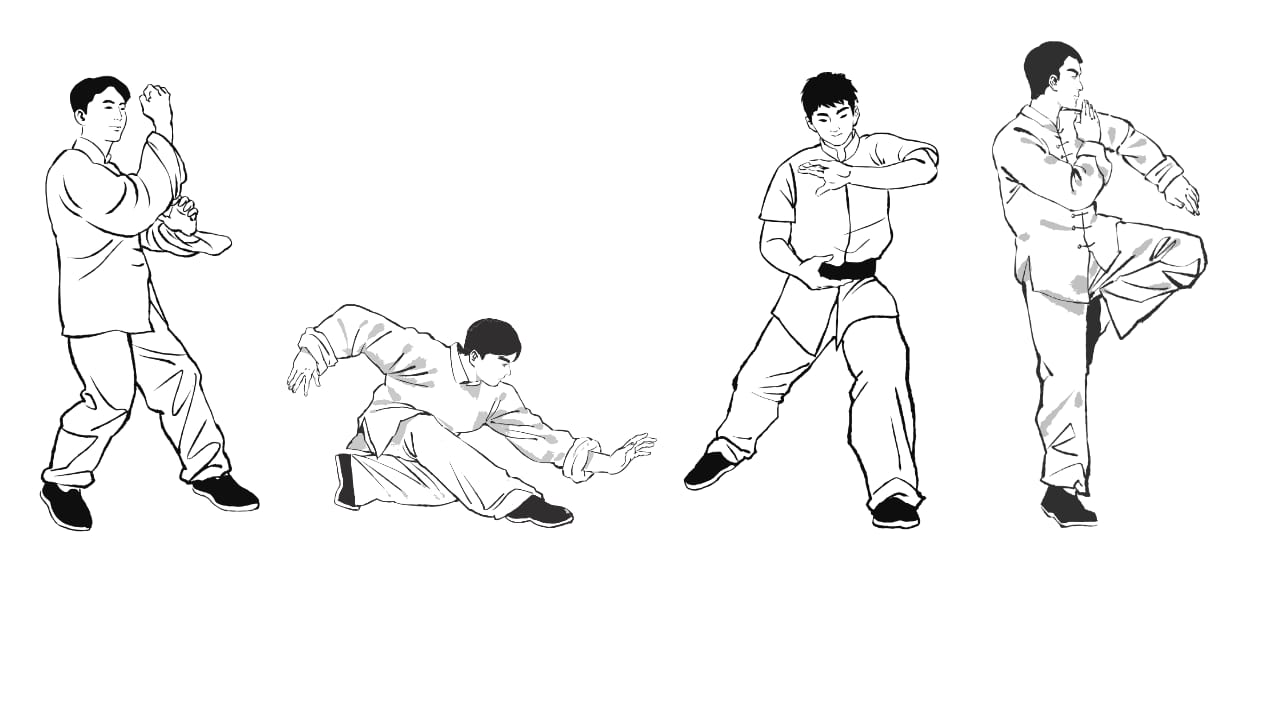
Chistyakov and Chistyakova (2021) take a comparative approach, juxtaposing two seemingly distant ritual traditions: the Apache Sunrise Ceremony (Na’ii’ees) and the religious rituals of the Russian Caspian region. The comparison is deliberately provocative. What could an indigenous North American coming-of-age ceremony share with the Orthodox and folk practices of fishermen and farmers along the Caspian Sea? Quite a lot, it turns out, at the level of communicative structure. Both traditions use ritual to mark transitions, reinforce communal bonds, and transmit cultural knowledge. Both involve the body as a primary medium: in the Sunrise Ceremony, the young woman’s endurance and movement encode teachings about strength and responsibility; in Russian Caspian rituals, processions, prostrations, and collective prayer similarly inscribe meaning through physical participation.
What the comparison illuminates is that the specific content of rituals, their particular symbols, deities, narratives, is culturally specific, while the communicative functions they serve are broadly human. This has implications for intercultural encounter: outsiders can often recognize and even feel the weight of a ritual without fully accessing its meaning, because the underlying communicative architecture resonates across cultural difference.
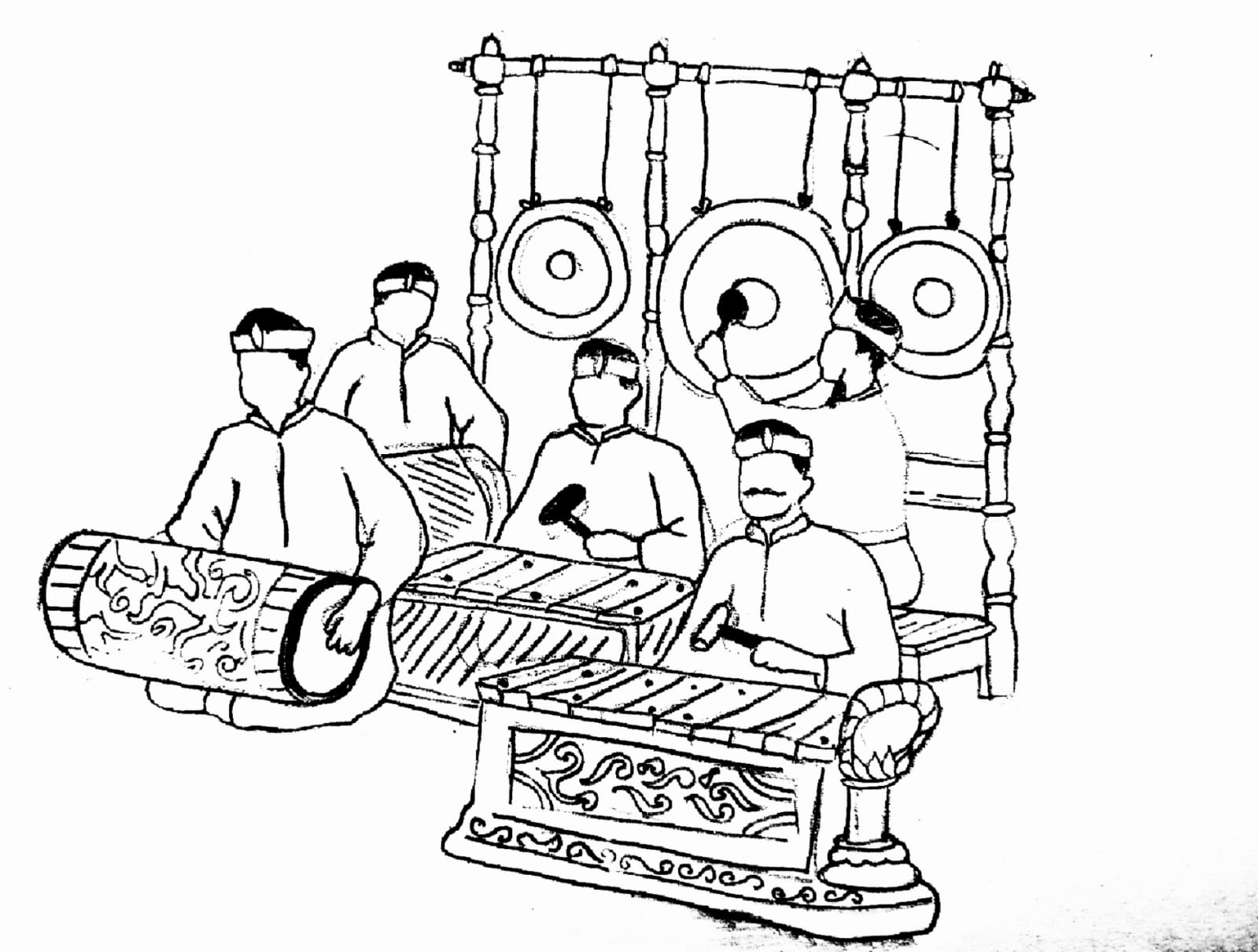
Dasih et al. (2022) examine intercultural communication as it unfolds in the context of Hindu religious ritual in Bali, where an active tourism economy means that sacred practices are routinely witnessed, and sometimes participated in, by people with no background in Balinese Hinduism. Their analysis highlights both the possibilities and the tensions inherent in such encounters. On one hand, ritual observation can open genuine channels of intercultural understanding. Visitors who approach ceremonies with curiosity and respect report a heightened sense of connection with their Balinese hosts, even without linguistic comprehension. The ritual creates a shared sensory and emotional space that temporarily bridges cultural distance. On the other hand, the presence of outsiders can alter the ritual itself: its pacing, its staging, its felt significance for participants. Dasih et al. are attentive to the power asymmetries at play: Balinese ritual communities are not simply performing for a global audience, but they do adapt, consciously or not, to that audience’s presence. Intercultural communication through ritual is rarely symmetrical.
(A-)Symmetrical Inter-Cultural Communication
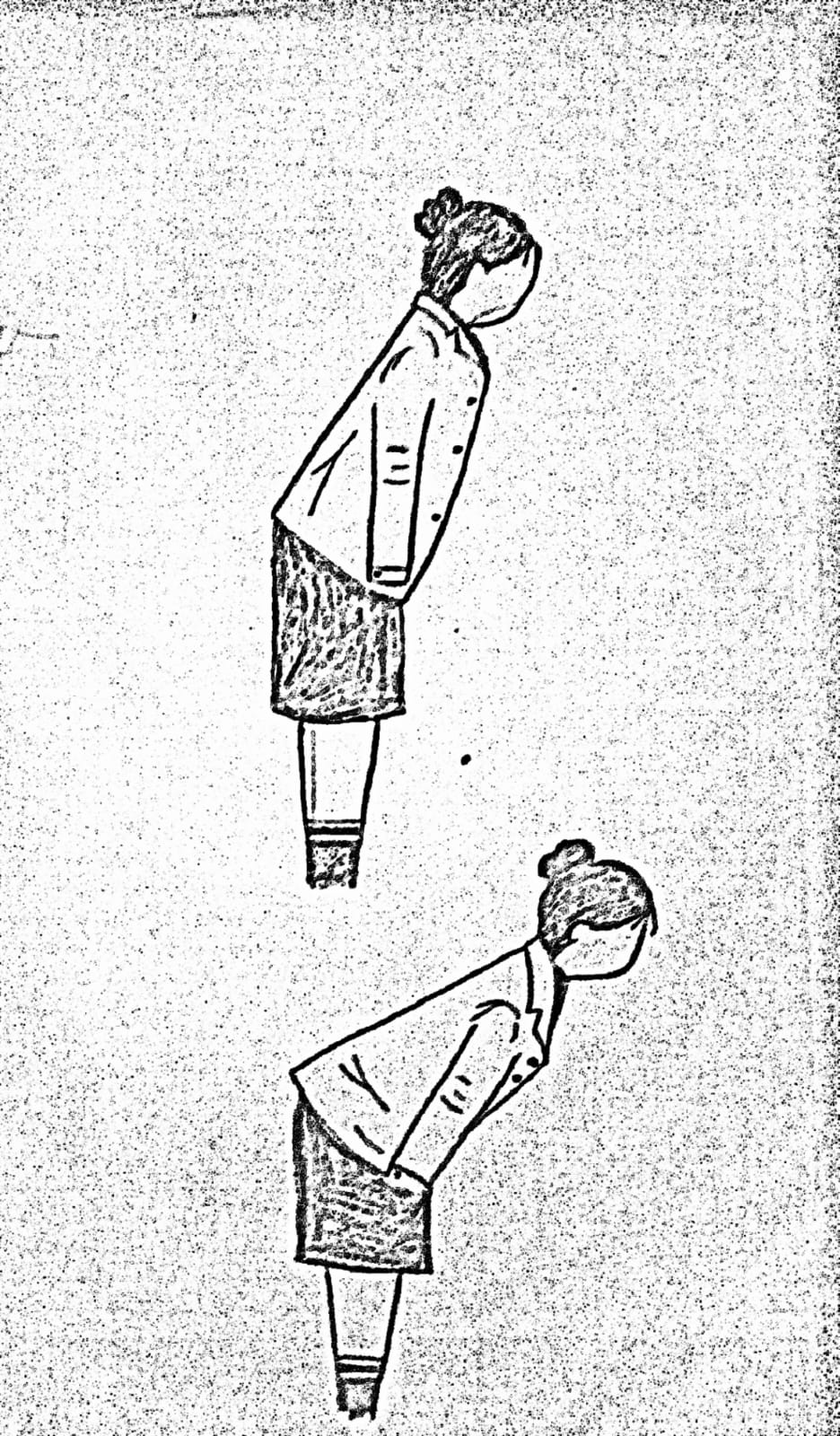
Among the most ethnographically vivid contributions reviewed here is Kint and Isik’s (2013) report on an EU Erasmus program that brought together young people from different European countries and invited them to perform, observe, and reinterpret each other’s ritual practices. The program’s explicit goal was to use ritual as a vehicle for intercultural learning: a kind of structured cultural exchange at the level of embodied practice rather than verbal exchange. The results were instructive. Participants who performed unfamiliar rituals reported discomfort, curiosity, and sometimes unexpected emotional resonance. The act of moving one’s body in ways prescribed by another tradition. even in a clearly experimental, non-devotional context, produced real affective responses that verbal descriptions of those traditions had not. This suggests that ritual’s communicative power is not exhausted by its semantic content; much of what rituals communicate, they communicate through the body. At the same time, reinterpretation was inevitable and sometimes controversial. When participants from secular Northern European contexts performed rituals rooted in Southern European Catholic tradition, the gestures were often drained of their devotional meaning and refilled with new, more personal significance. Whether this constitutes genuine intercultural learning or a form of decontextualization, even appropriation, remained an open and productive tension in Kint and Isik’s analysis.
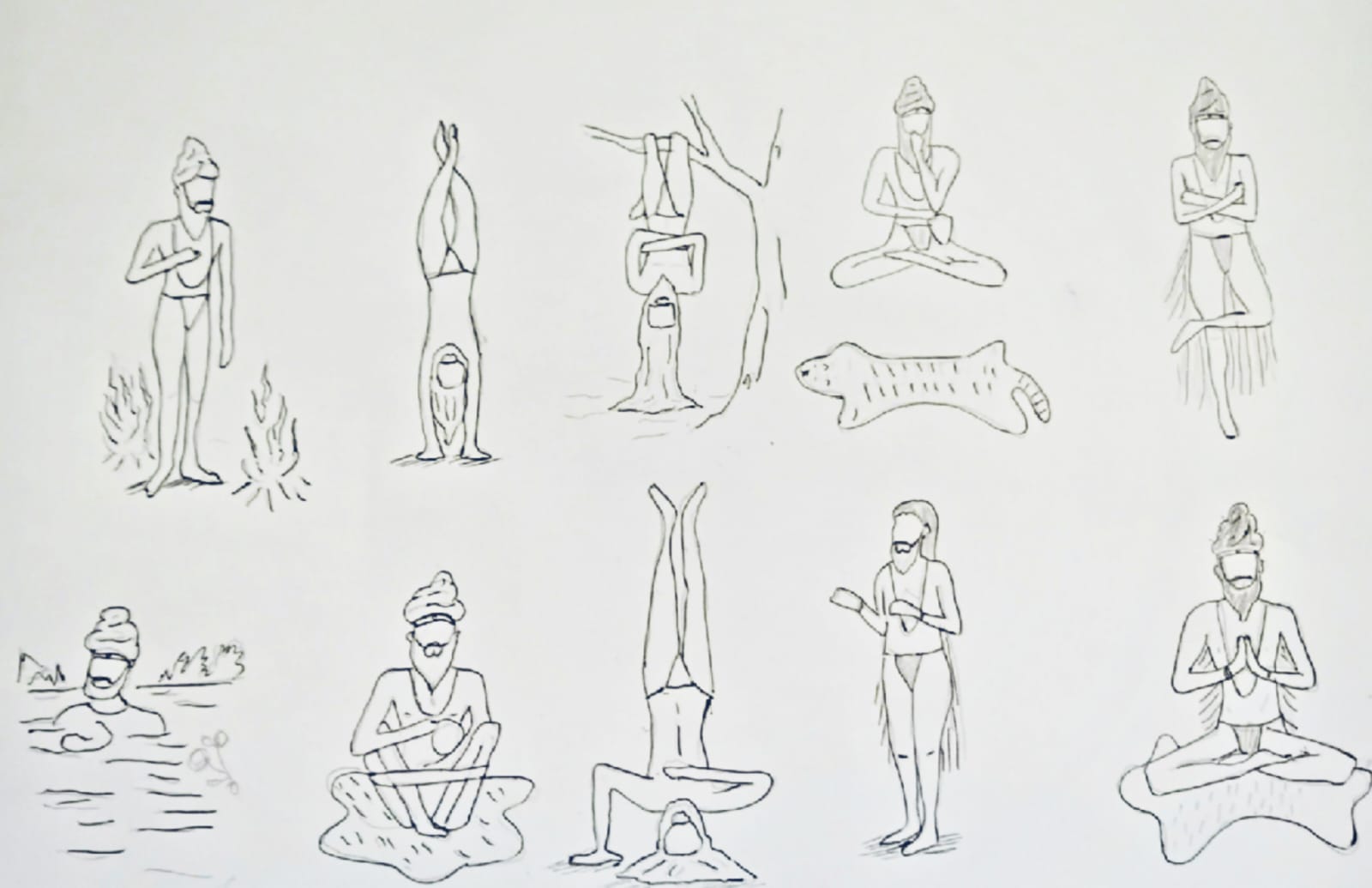
Duran Tekoglu et al. (2025) bring a different methodological lens to bear on these questions, drawing on survey data to examine which individual characteristics predict openness to rituals from other cultures, and what role ethnocentrism plays as a moderator. Their findings offer a more granular picture of the psychological landscape of intercultural ritual encounter. Unsurprisingly, higher levels of ethnocentrism, defined as a tendency to evaluate other cultures through the lens of one’s own, are associated with lower acceptance of foreign rituals. More interesting, however, are the mediating variables. Individuals with greater intercultural contact, higher education, and stronger general openness to experience tend to approach unfamiliar rituals with more curiosity than defensiveness. These findings suggest that ritual acceptance is not simply a matter of cultural distance between the observer and the observed but is shaped by the observer’s personal history and dispositions.
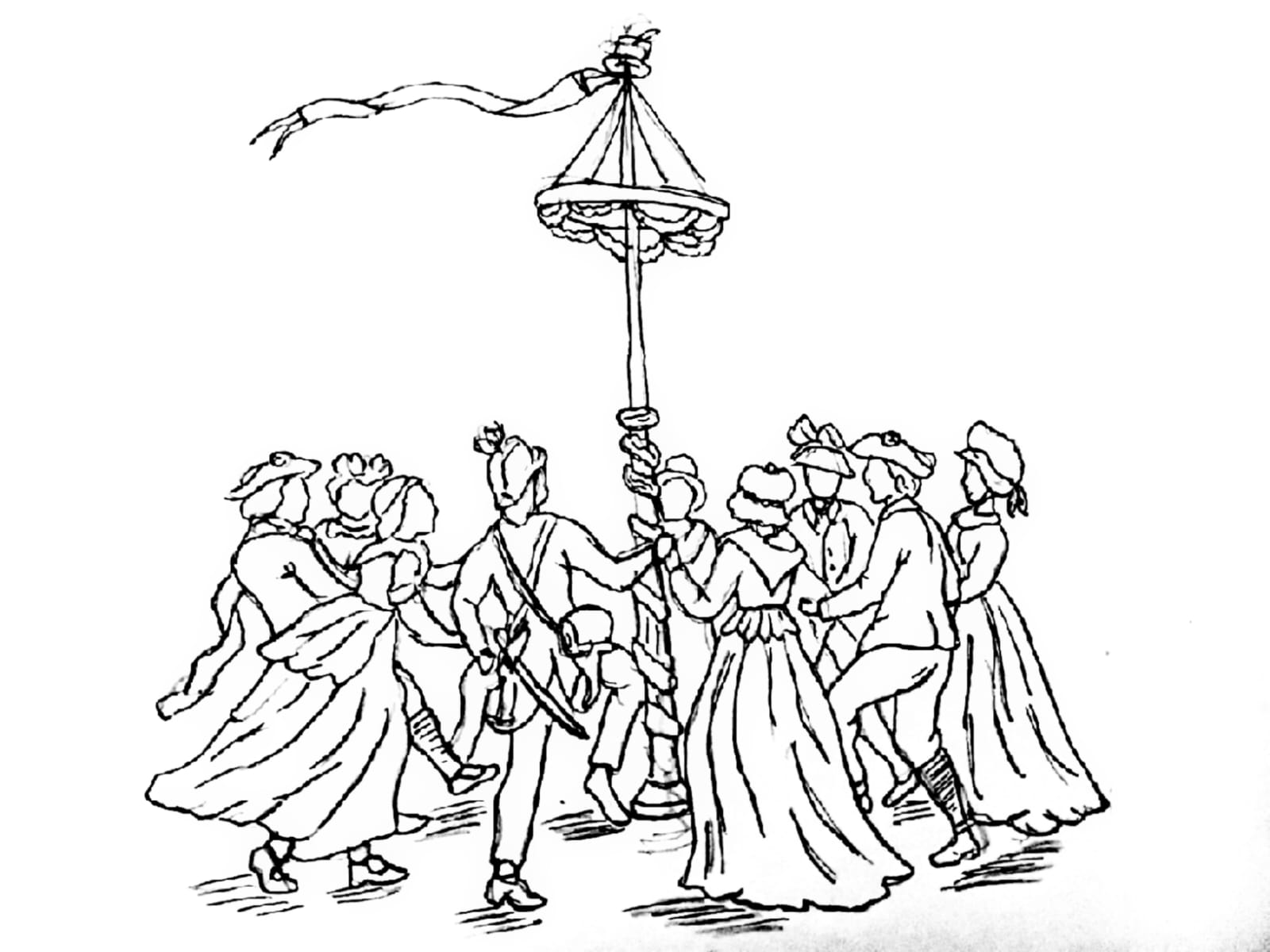
Importantly, Duran Tekoglu et al. do not treat ethnocentrism as purely negative. A degree of attachment to one’s own ritual traditions can be a healthy expression of cultural identity and belonging. The challenge, their data suggest, is preventing that attachment from curling into a rigid rejection of others’ practices: a transformation that tends to occur when ethnocentrism combines with low intercultural exposure. Taken together, these works point toward a view of ritual as a particularly rich and complex medium for intercultural communication, one that operates at multiple levels simultaneously: semantic, embodied, emotional, and social.

Rituals carry meaning that is dense and often resistant to simple translation, yet they also possess a kind of affective porousness that allows observers and participants from outside the tradition to be genuinely moved by them. Several themes emerge across the literature. First, the communicative functions of ritual, marking transitions, reinforcing solidarity, transmitting memory, appear to be broadly human, even as their specific contents are culturally particular. This creates both the possibility and the difficulty of intercultural ritual encounter: enough common ground to produce connection, enough difference to produce misunderstanding. Second, power and asymmetry matter. Not all intercultural ritual encounters take place between equals. The presence of outsiders can reshape rituals; global tourism and media can commodify them; colonial histories can delegitimize them. An adequate anthropology of intercultural ritual must attend to these structural conditions. Third, individual psychology is not irrelevant. The propensity to engage openly with unfamiliar rituals varies considerably between individuals and is shaped by experience, education, and disposition. This suggests that intercultural ritual competence, an understanding of and sensitivity to rituals other than one’s own, is a learnable skill, not simply a fixed cultural given.
Conclusion:
How ritual can function as a genuine bridge across cultural difference
How ritual can function as a genuine bridge across cultural difference
Rituals are among the oldest and most persistent human technologies for making meaning together. In an increasingly interconnected world, they have become sites where cultural difference is both most visible and most negotiable. The scholarship reviewed here, drawing on cases from the American Southwest to Bali to the European classroom, suggests that ritual can function as a genuine bridge across cultural difference: but only when approached with care, curiosity, and an awareness of the power relations that frame every intercultural encounter. To study ritual across cultures is ultimately to study the conditions under which human beings can recognize themselves in each other’s most sacred practices.
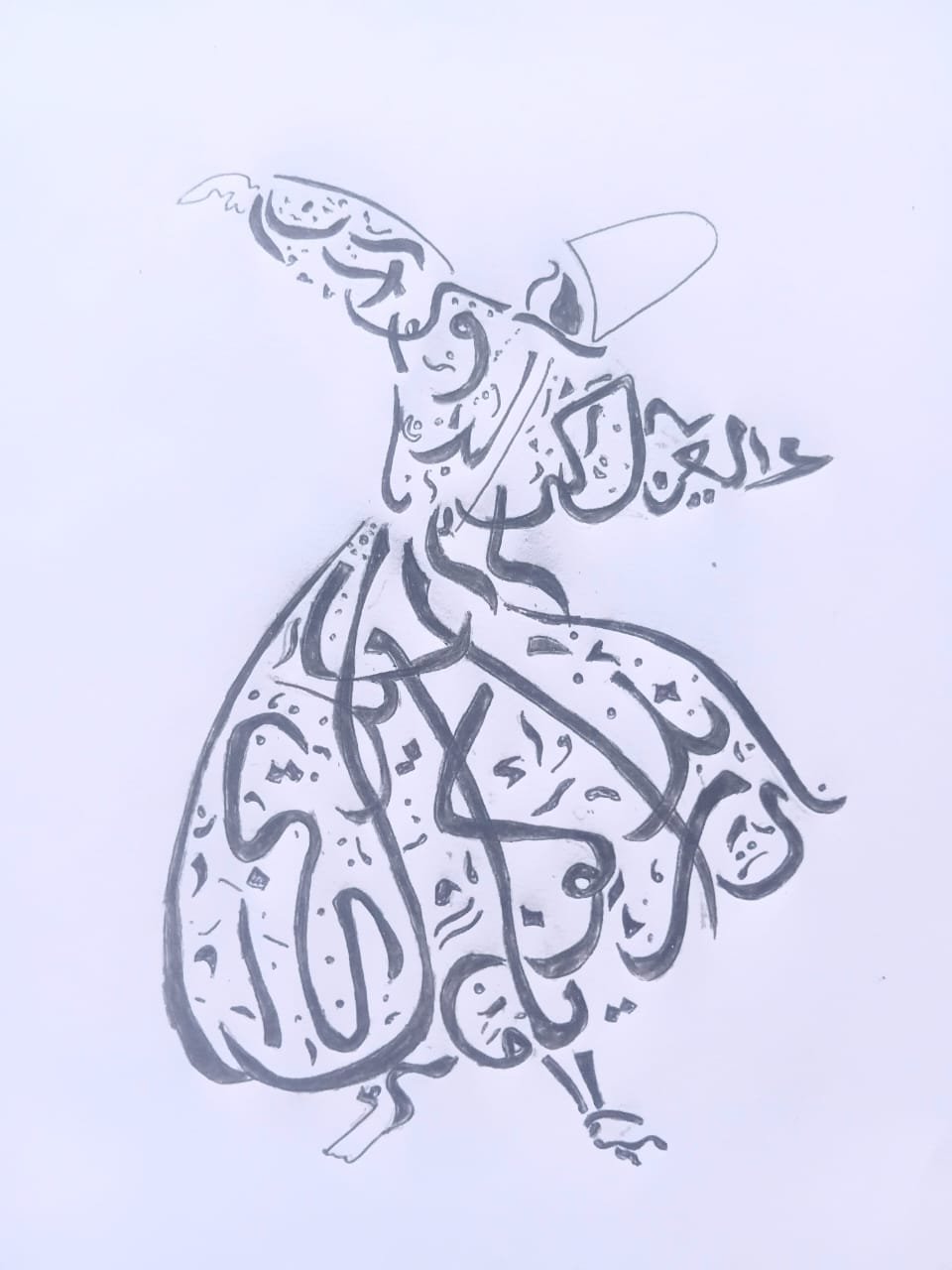
At its best, “intercultural rituals” as a focus draws attention to one of the richest and most underexplored dimensions of cultural encounter. Much intercultural work, in education, diplomacy, organizational culture, concentrates on explicit communication: language, negotiation styles, social etiquette. Rituals operate differently. They are pre-verbal, embodied, and often emotionally charged in ways that catch people off guard. By centring them, Quest for Wisdom invites a deeper and more honest engagement with cultural difference than a purely cognitive or skills-based framework would allow. There is also something apt about this theme for an organization whose name evokes the pursuit of wisdom. Rituals are, among other things, repositories of accumulated human wisdom: compressed into gesture, repetition, and symbol over generations. To take them seriously across cultural boundaries is to take seriously the possibility that other traditions have worked out something true and valuable, even when it looks unfamiliar or strange.
Risks of Inter-Cultural Rituals:
Avoiding Ceremonial Tourism
That said, the theme carries risks worth naming. “Intercultural rituals” can easily slide into a kind of ceremonial tourism, a fascinated but ultimately superficial survey of colorful practices from around the world. The literature reviewed in this paper consistently warns against this tendency: rituals stripped of their social and historical context lose much of their meaning, and the communities whose practices are being appreciated are not always consulted or compensated in that appreciation. A theme is only as good as the questions it generates, and the most important question this theme can ask is not “what do other cultures’ rituals look like?” but “what does genuine participation, respect, and reciprocity look like when rituals cross cultural lines?”
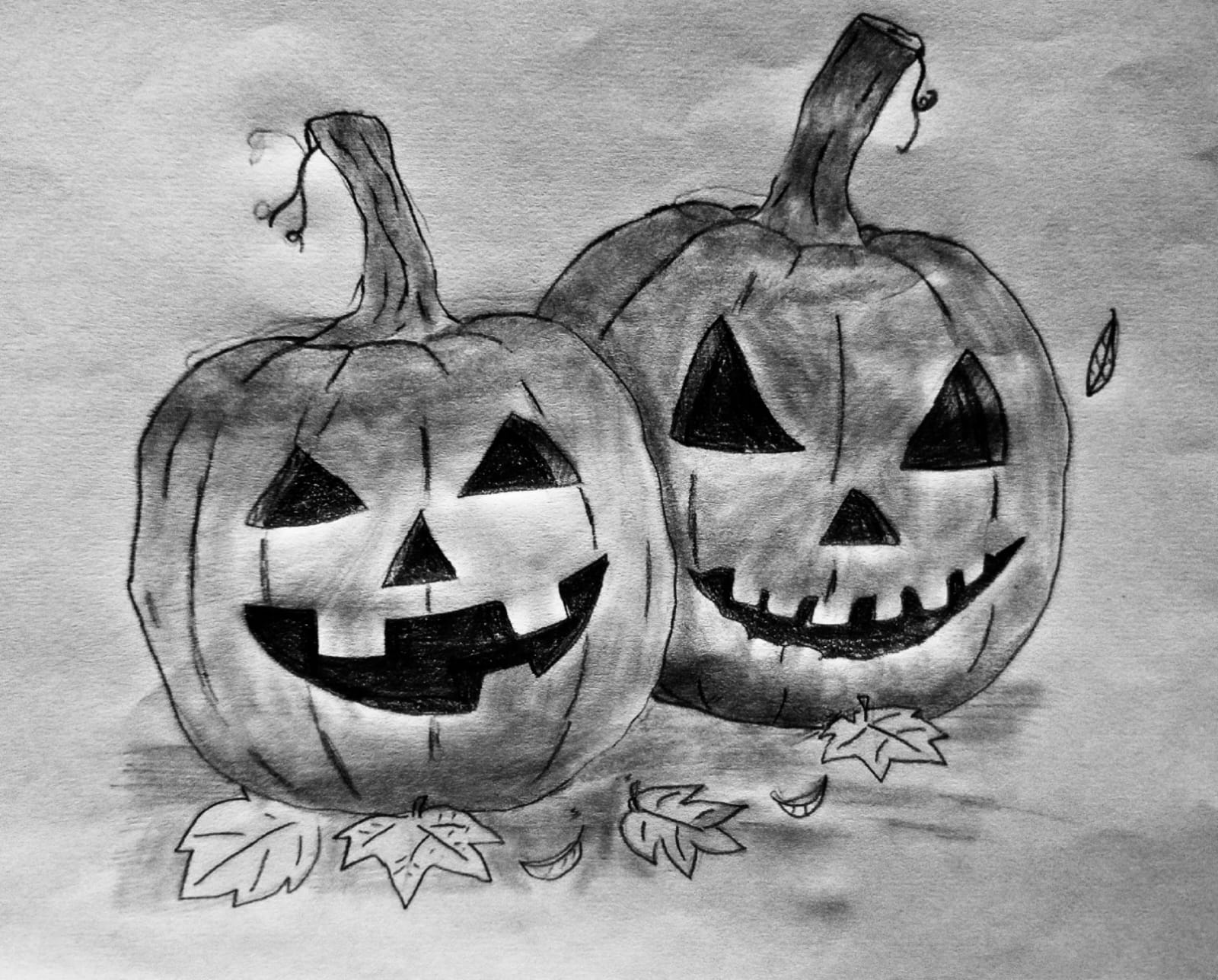
Het uitvoeren van de voorgeschreven handelingen kan een alledaagse en een traditionele rituele beleving geven
For someone who grew up between cultures, this question is not abstract. Third-culture experience is, in many ways, a sustained improvisation with ritual: which practices do you carry with you, which do you let go, which do you adopt from the new contexts you move through, and what happens to your sense of self in each of these negotiations? Quest for Wisdom’s theme this year has the potential to make that personal experience a site of collective inquiry, which is, perhaps, exactly what a wisdom-seeking organization should do.
Lessons Learned:
Re-inventing ourselves as an Inter-Cultural Community
De levenskunst ‘Word wie je bent!’ is tevens een oproep ‘de ander áls ander’ te ontmoeten. In het ‘normale’ verkeer tussen mensen willen we de ander maar al te gauw in een hokje stoppen. We herkennen iemand als van onze straat of buurt dan wel een vreemde, als een collega of een concurrent, als een familielid of iemand uit een andere clan of cultuur. Vanuit de dialogische filosofie van Levinas, Buber en Arendt bezien, doen we de ander met dat etiket onrecht — wat in functionele zin mag kloppen, echter in relationele zin behelst deze oermenselijke reflex van ‘hokjes-denken’ een gevaar, wat kan leiden tot een wij-zij-dynamiek met processen van in- en buitensluiting. De Heks als vrouwelijk wezen begiftigd met de wijsheid van de natuur staat hiervoor: ze is een figuur die buiten de ‘normaliteit’ valt volgens de normen van een samenleving, en zo tot zondebok is gemaakt.
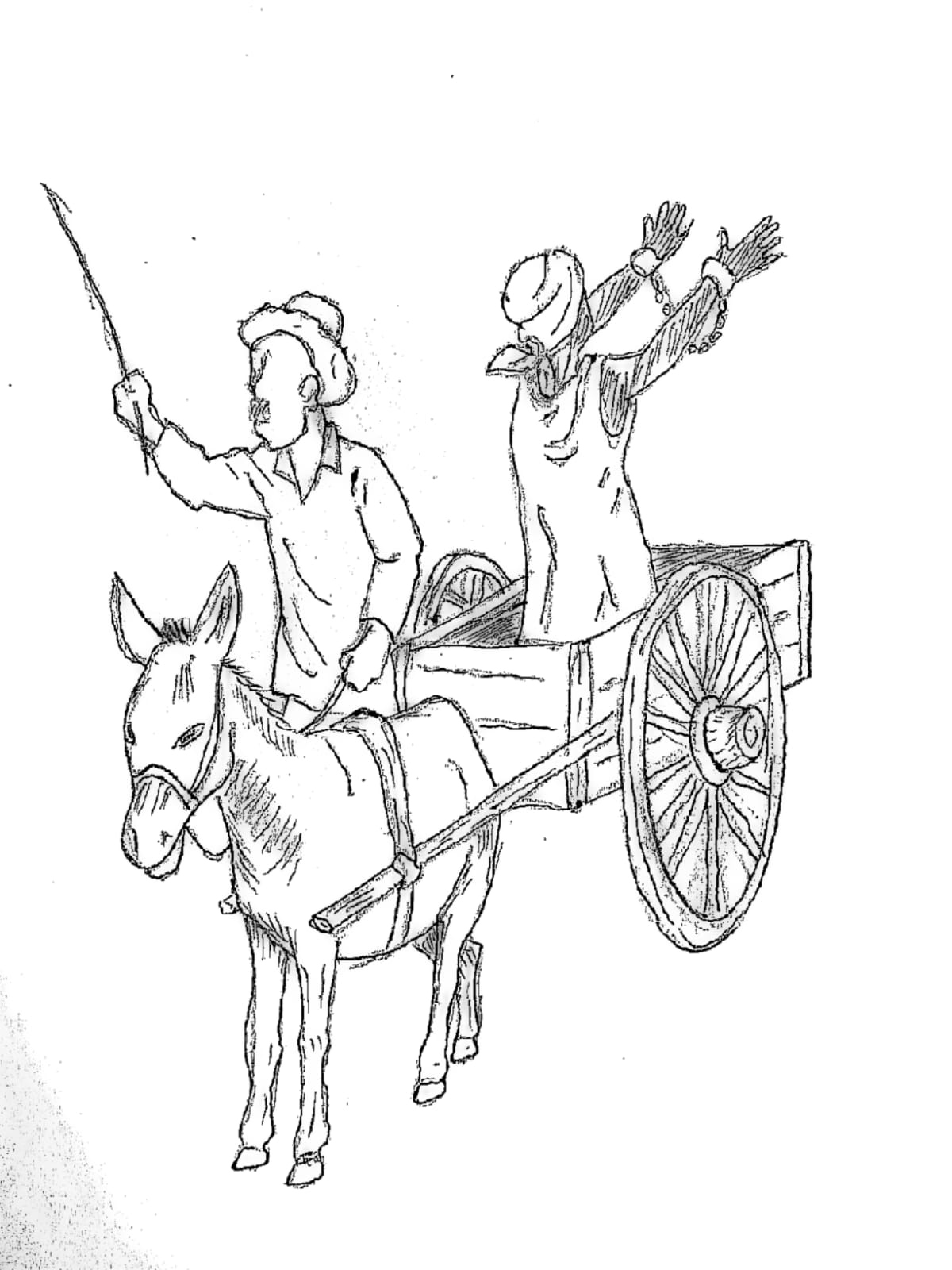
In die filosofische zin is ‘de ander’ daarom ook ‘de vreemde ander’, want ‘vreemd’ aan de hokjes, die we in ‘de normale wereld’ met elkaar construeren en in stand houden. Vooral door in onze eigen ‘bubbel’ te blijven en elkaar met de sociaal geconstrueerde identiteiten in collectieve en ego-rituelen te bevestigen. Ten diepste betekent het toelaten van ‘het vreemde’ in ons zelf de moed om in het open veld van ontmoeting te staan, waarin zowel de ander als je zelf ‘vreemd’ mag blijven. Met andere woorden dit thema roept ons op ‘de vreemde ander in zich zelf’ te (h)erkennen.
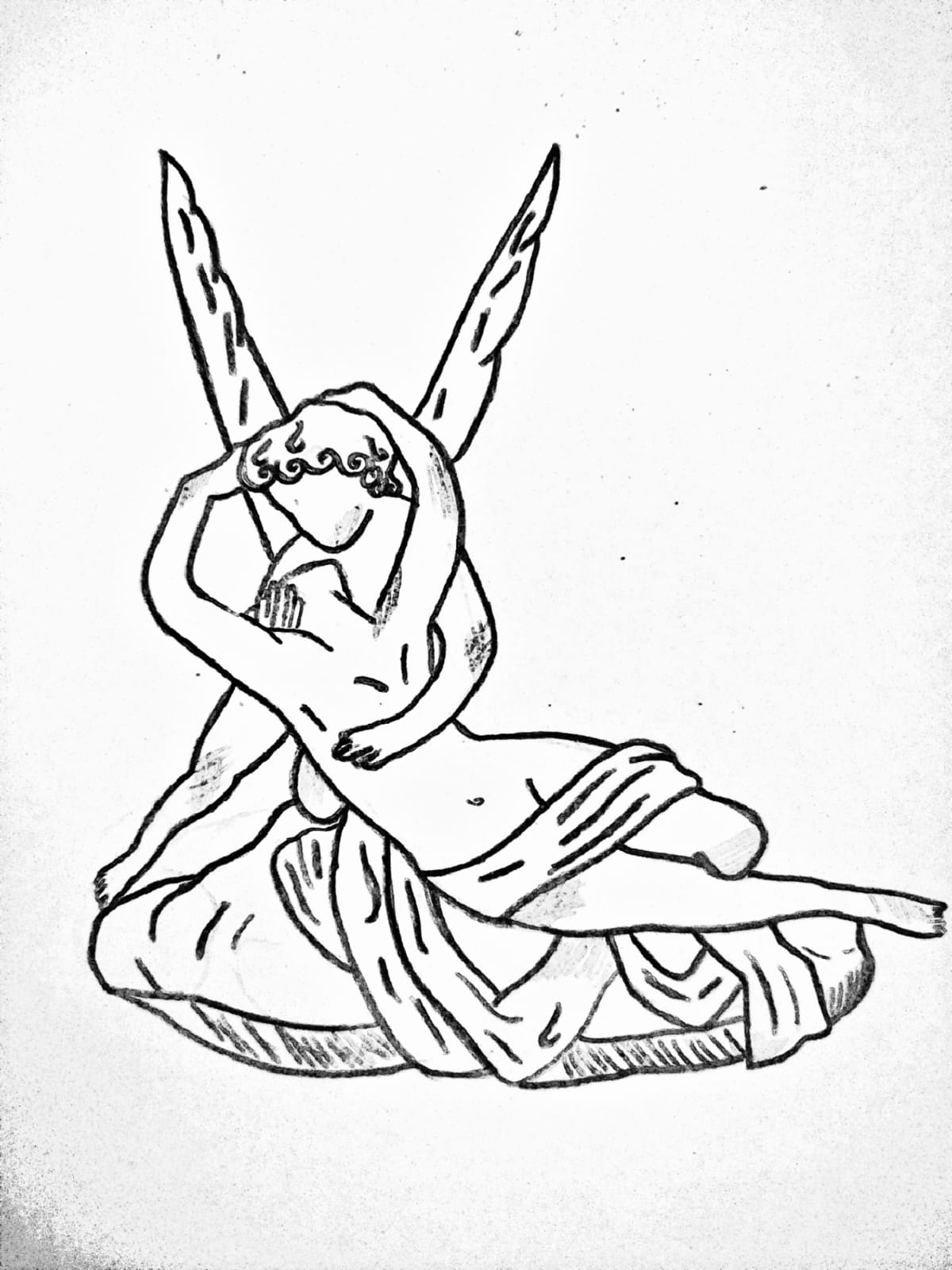
Amor en Psyche: mythische verbeelding van het verlangen zich weer met het sacrale te verbinden (re-ligio)
Op individueel niveau zijn we gezegend wanneer we een zielsverwant ontmoeten, die ons in eerlijke conversaties en liefdevolle confrontaties de les leest hoe ‘te worden wie je bent’. Dit motto van levenskunst hebben wij als Quest for Wisdom Kring naar een collectief niveau trachten op te tillen door ons steeds af te vragen wat deze oproep betekent voor ieder van ons als wereldburger. Hoe dan de ruimte open te houden, in plaats van de ander (of jezelf) te veroordelen? Die reflex overschaduwt vaak het innerlijk licht en sluit de open ruimte van ontmoeting af tot een benauwde sfeer van ‘wat men vindt en doet’, aldus de existentiefilosofie van Heidegger. De oproep tot levenskunst is een beproevende weg van onophoudelijke beoefening van deze kunst om beperkende identificaties (met volk, ras, geslacht, cultuur, …) los(ser) te laten en ― en een relationele identiteit op te bouwen. Deze uitdaging is poëtisch verwoord als het gesprek dat wij zijn – naar een dichtregel van de dichter uit de Romantiek, Hölderlin.

References
Azatovna, M. E. (2021). Ritual culture is the main phenomenon formation of intercultural communication. Central Asian Journal of Theoretical and Applied Sciences, 2(4), 68–72.
Chistyakov, D. I., & Chistyakova, O. V. (2021). Rituals as a means of intercultural communication: From the Apache sunrise ceremony to religious rituals of the Russian Caspian region. In Proceedings of the International Conference on Man and Intercultural Communications (pp. 1–8).
Dasih, I. G. A. R. P., Indraswari, I. G. A. D. P. P., & Budiyasa, I. D. G. P. (2022). Intercultural communication in religious rituals. Proceedings of the International Conference on Hindu Studies.
Duran Tekoglu, A., Eser, Z., & Özer, A. (2025). Rituals as intercultural bridges: The impact of individual characteristics on ritual acceptance with ethnocentrism as a moderator. Anadolu University Journal of Social Sciences, 26(4), 296–323.
Kint, J., & Isik, F. (2013). Moving rituals: Re-interpreting rituals cross-culturally. EU Erasmus Intensive Programs Report.

Gerelateerde artikelen
Beschouwing, Inter-Culturele Rituelen voor Wereldburgerschap
Beeldende Kunst, Beschouwing, Inter-Culturele Rituelen voor Wereldburgerschap
Beeldende Kunst, Beschouwing, Inter-Culturele Rituelen voor Wereldburgerschap