
Greg Suffanti : tekst and watercolours – Augustus 2026
Editorial intro and outro: Heidi Muijen & Ali Nejat Kanıyaş with drawings: Yassine el Azabi
There is a difference, though, when we look at it from a philosophical perspective. While in a ‘traditional premodern’ sense rituals often served the goal of cultural identification and harmony―between men and women, adults, children and the elderly, the living and the dead, the insiders and outsiders of a specific religious or ethnic community, etc.―they did so to organise different groups to interact for the common goal of “the good life” as a society. Now, we are in need of connections between people coming from diverse societies with different histories, cultural norms and habits, symbols, and rituals. Could the value of being human, underneath the surface of cultural, ethnic, social, gender, religious, and other identifications, serve as that common ground?
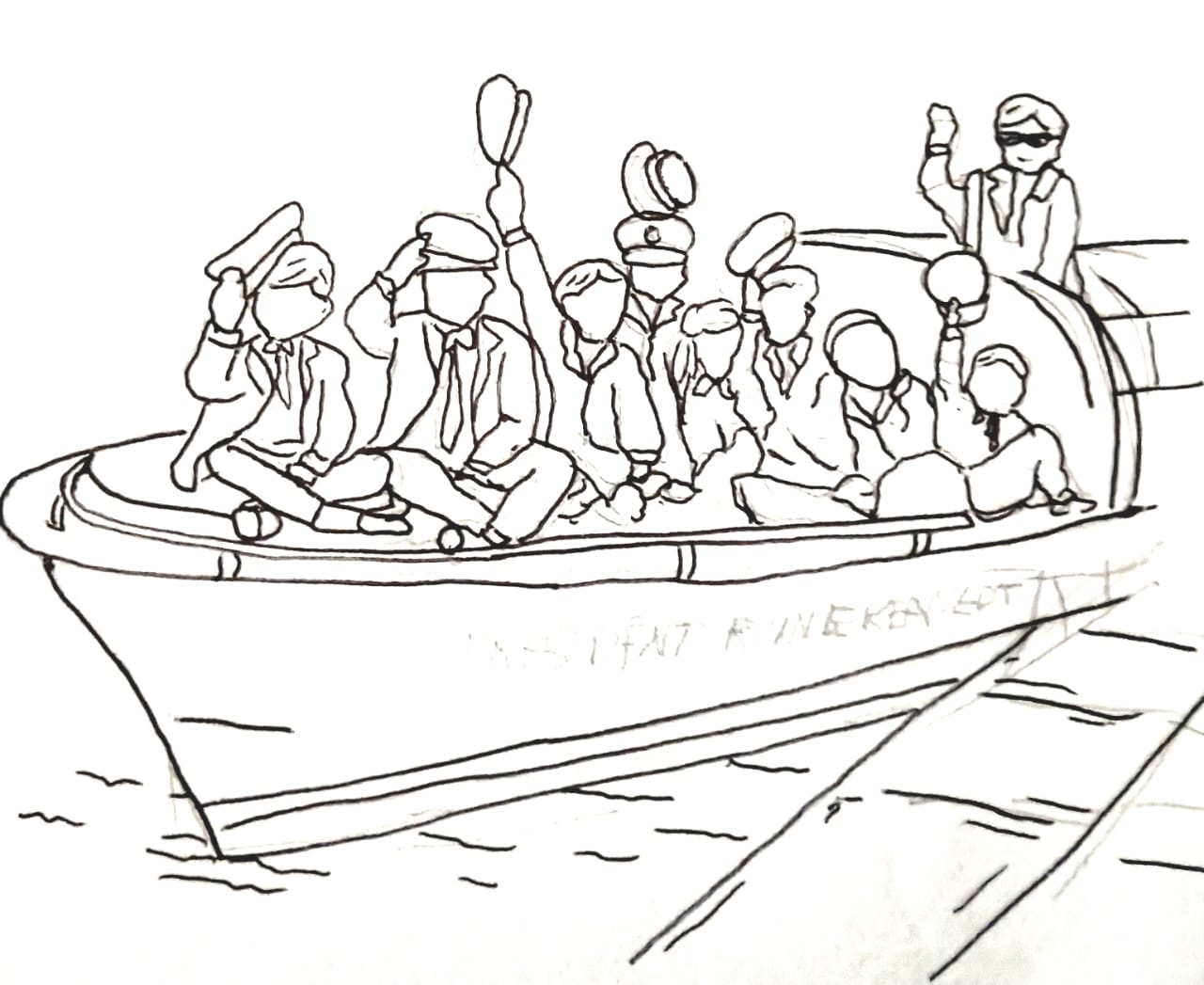
Maybe, it is precisely this difference, stressing not so much the cultural as the ‘inter’-cultural, that is unfolding itself as meaningful while viewing the series, into a transcultural power. These historically and culturally diverse examples of brave individuals that Greg’s series offer (for whom the price of being different was to become an outcast, even long before the concept of LGBTQI was invented) present a perspective for the dis-identification from our own bubbles, so that the (sub-)cultural stratification may be harmonised as One World, Our World! Maybe when we acknowledge ourselves as ‘the strange other’ for the other? To realise that we are living in a Queer World that is ours, and at the same time, for everyone.
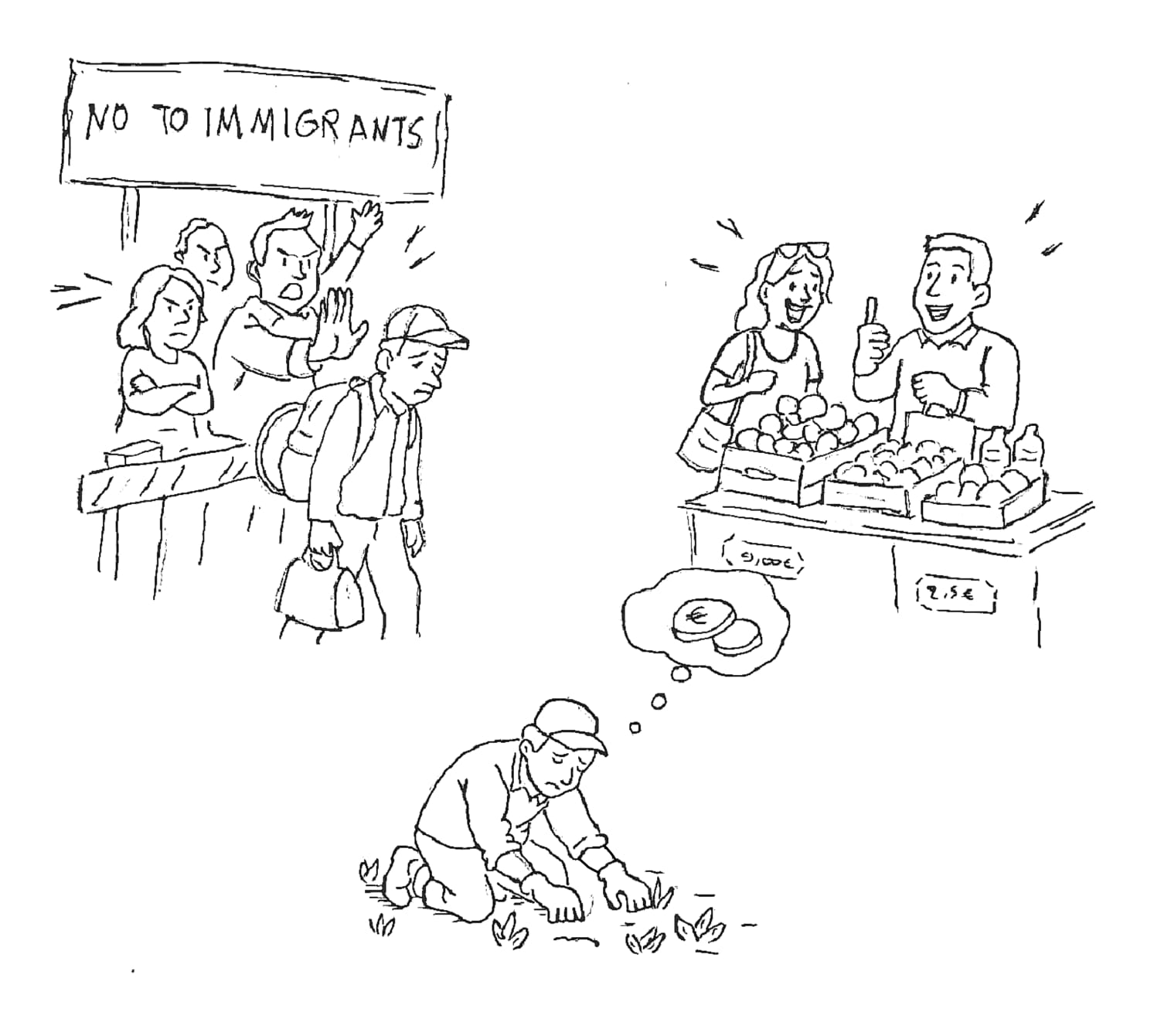
Can or even should we develop more Inter-Cultural Rituals like the Pride, Keti Koti, Eid al-Fitr as well as others yet to be invented? How about the critical points Lucile Tassi raises in her De Gulden Snede June review that Inter-Cultural Rituals cannot just be ‘constructed’ but should be embedded within a social context and a cultural history?
After reading and viewing Greg’s contribution, we offer a few angles to reflect on these questions, as well as some reading recommendations. We hope that these will serve as an invitation to make up (y)our mind on the Quest for Wisdom’s vision and its mission on how the intercultural art of living may contribute to World Citizenship.
Queer World, One World Our World
When Michel and Chiquita Odjo Seymonson from Stichting CuRINeSa (Cultuur Respect INtegratie binnen de Nederlandse Samenleving) first asked me if I was interested in contributing artwork for a Gay Pride exhibition at the Pakhuis de Zwijger, I have to admit, it came as a complete surprise. We know each other through our volunteer work together at the Quest for Wisdom Foundation, and I do a lot of translation work, so I assumed they needed some help in that area. I was surprised when they said they liked my artwork and wanted to know if I was interested in contributing.
“Whatever you want, other sentient beings also want the same things.”
Words of My Perfect Teacher
Patrul Rinpoche
Is there really anything more complicated than this?
I suppose I could’ve contributed something without a Gay theme. Neither Chiquita nor Michel ever mentioned this was necessary….. An important point. However, I wouldn’t consider NOT doing a Gay theme as I felt this was an opportunity to look at my own, specific ‘tribe’. And to try to say something about my gay world…. And connect it to OUR entire world.
A Gay Tribe Festivity to Connect Our Entire World
Yes, I am gay and I do make artwork, but I’ve never considered myself a ‘gay’ artist making ‘gay’ art. What is that anyway? We have an openly gay Minister President here in the Netherlands. In this day and age, is it even necessary? What could I possibly contribute that might be helpful or meaningful? I’ve spent nearly 10 years working with the Quest for Wisdom Foundation (QfWf) on projects dealing with inclusion, cultivating community and creating equality for all. It almost felt like cheating to just think about my own small group in the context of ALL citizens.
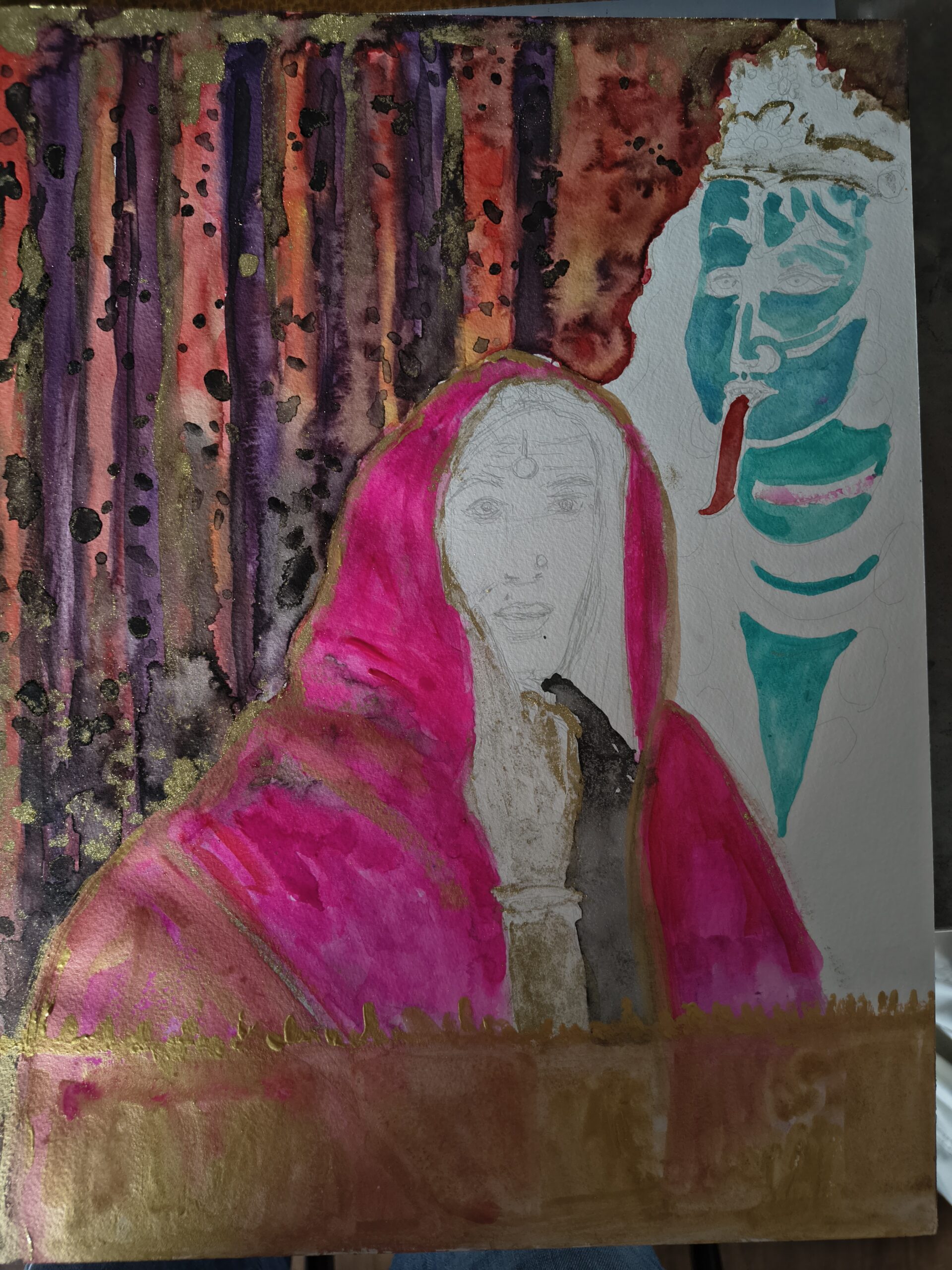
The World is in need of Inclusion as well as space for diversity
At the time of this writing (17July 2026) a cruise ship with a majority of LGBTQI passengers was just denied permission to dock in both Turkey and Egypt. A recent survey in America showed a majority of Republicans no longer support gay marriage. Governments around the world are becoming less open, more repressive, and more bold in their denunciation of basic LGBTQI rights…. Hello USA, Russia, Turkey, Egypt and many other African nations, and until recently, Hungary. Let’s not even begin with Asian nations.
I’ve concluded that things are not really going in a positive direction. Somehow, we are seemingly in a process of always forgetting our own basic humanity. The terror attack on the Pride in Berlin is a reminder that, unfortunately, hatred and intolerance are lurking around the corner…. Threatening the peace and happiness of us all! In 2026 it is more than ever necessary to continue to work towards educating people about LGBTQI rights, which are not special rights, but are basic human rights. We are all the same. We cannot mourn the recent turn of events. Everyone is looking for a similar kind of happiness. Unfortunately, the stride does and MUST go on.
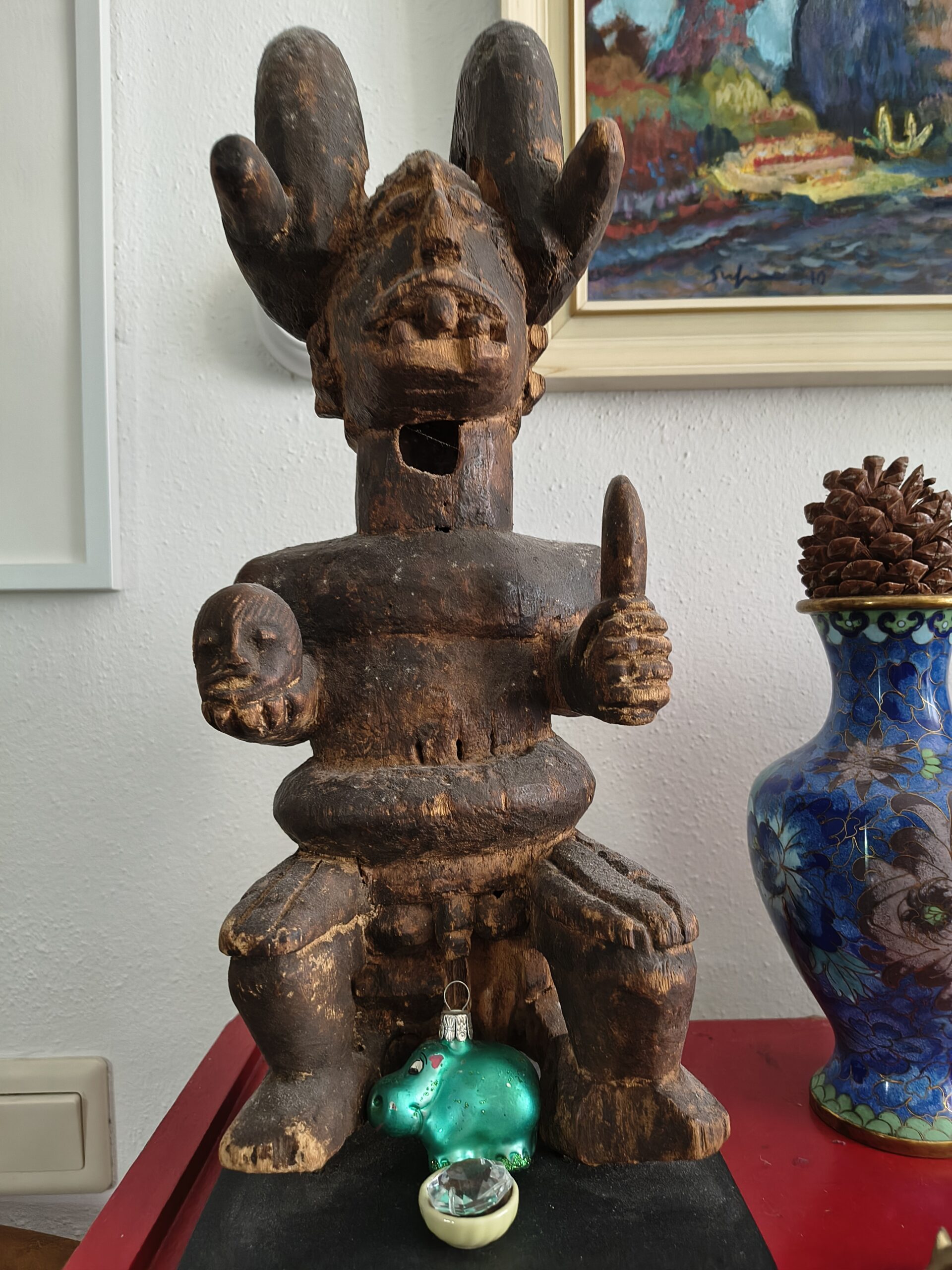
Nigerian warrior
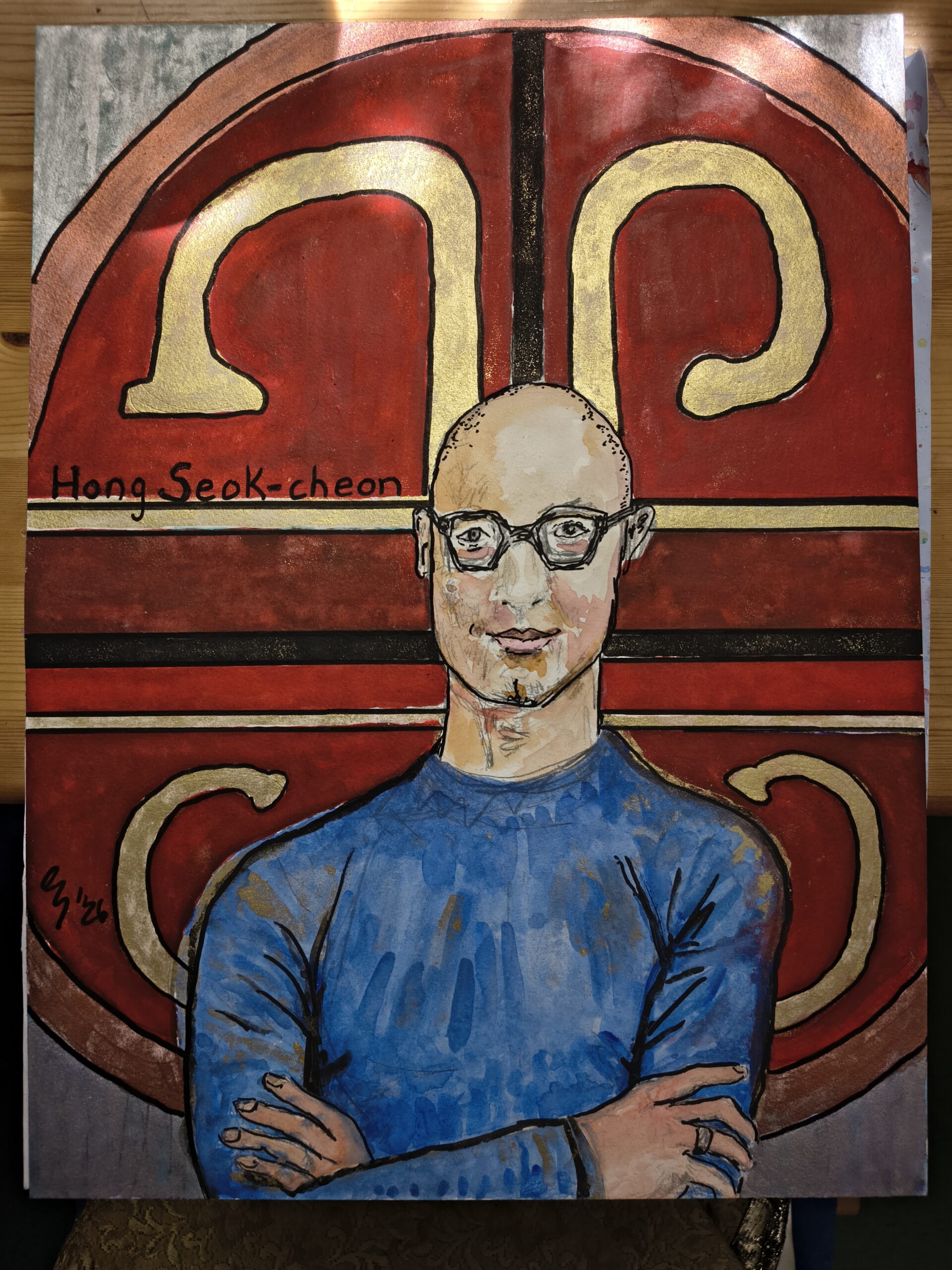
the composition of Hong Seok-Cheon reminded me of this. You have to have a warrior’s attitude to be an openly queer actor!
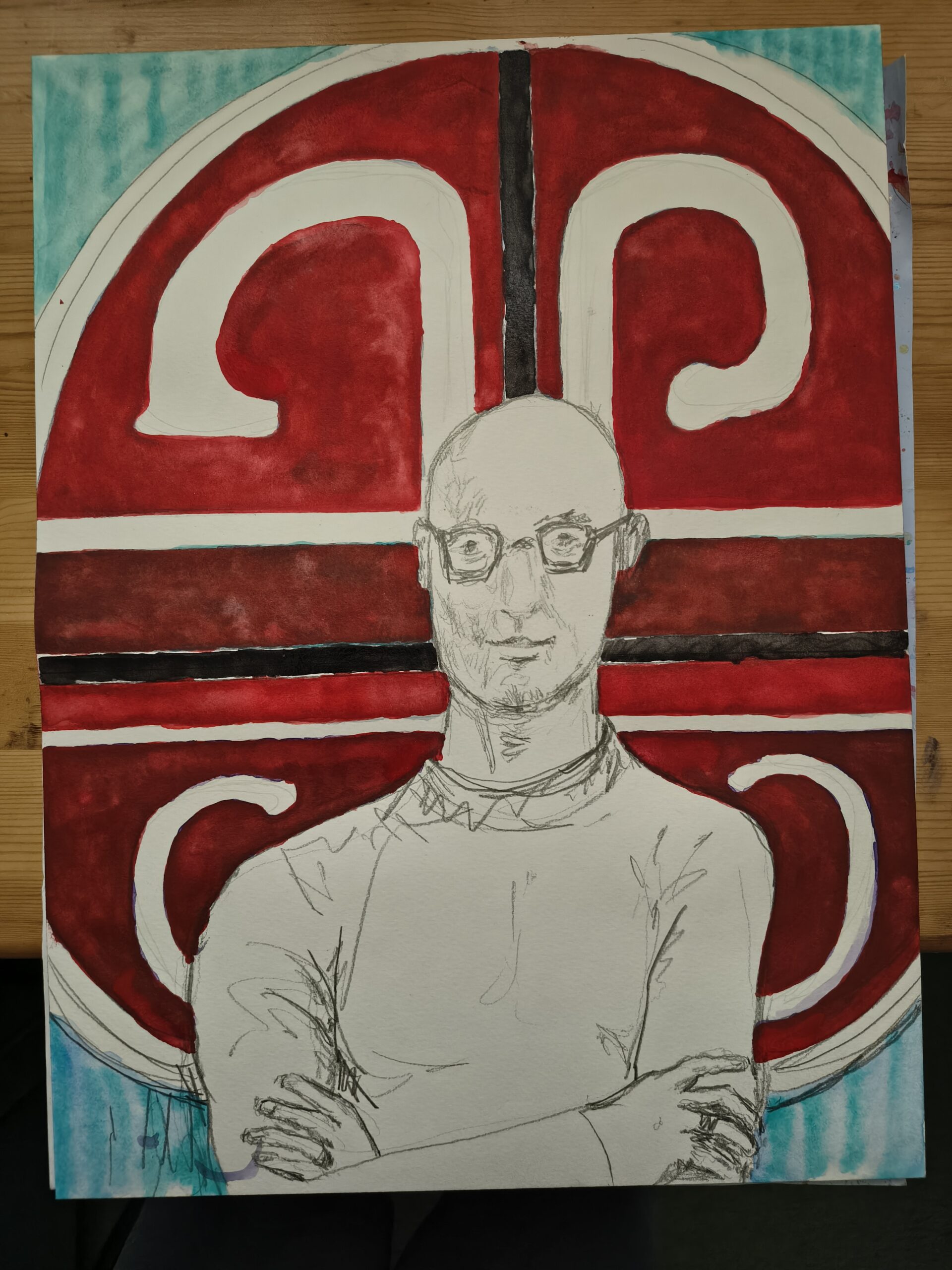
Tapping into the historical inter-cultural roots of the LGBTQI….
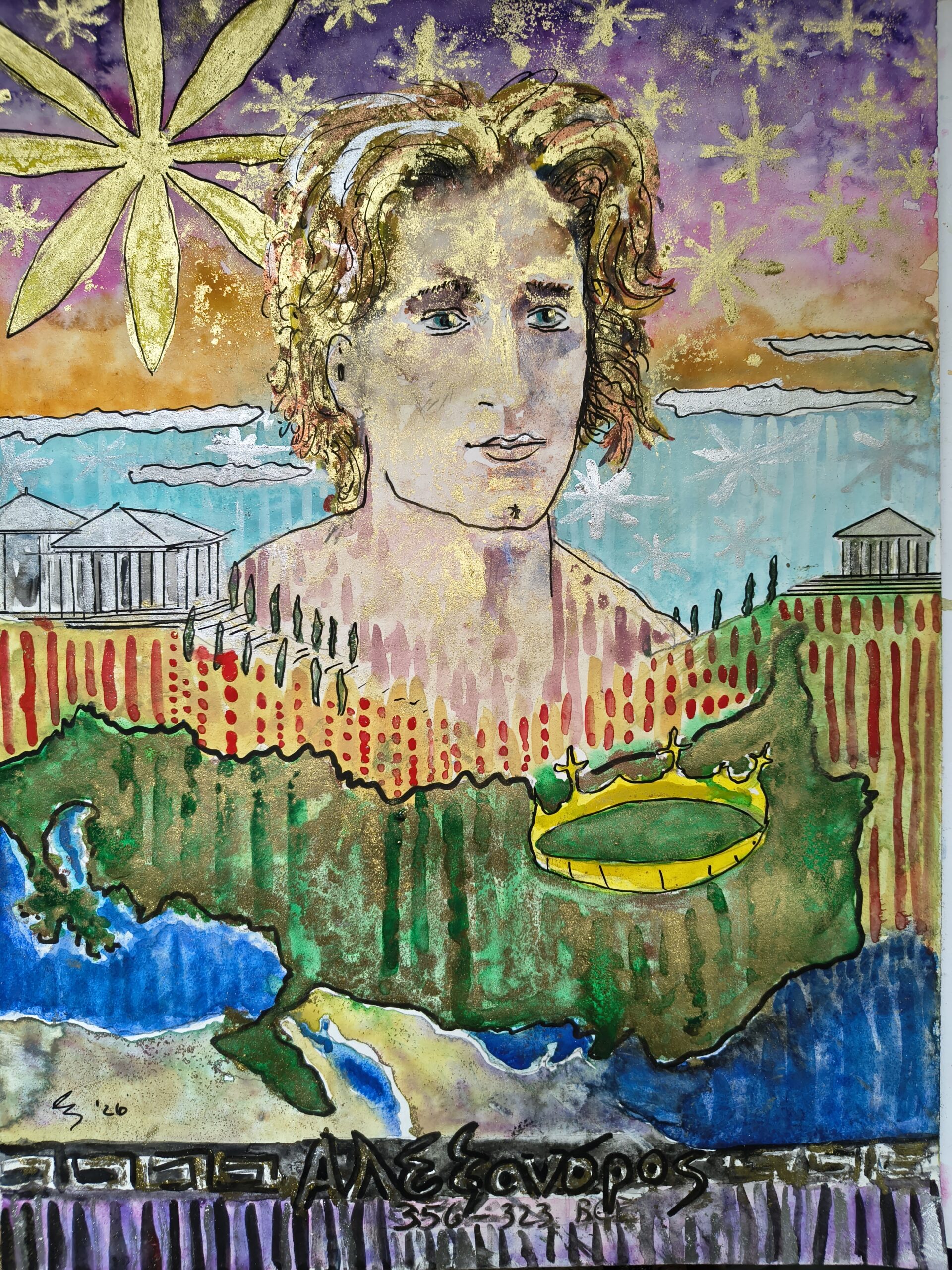
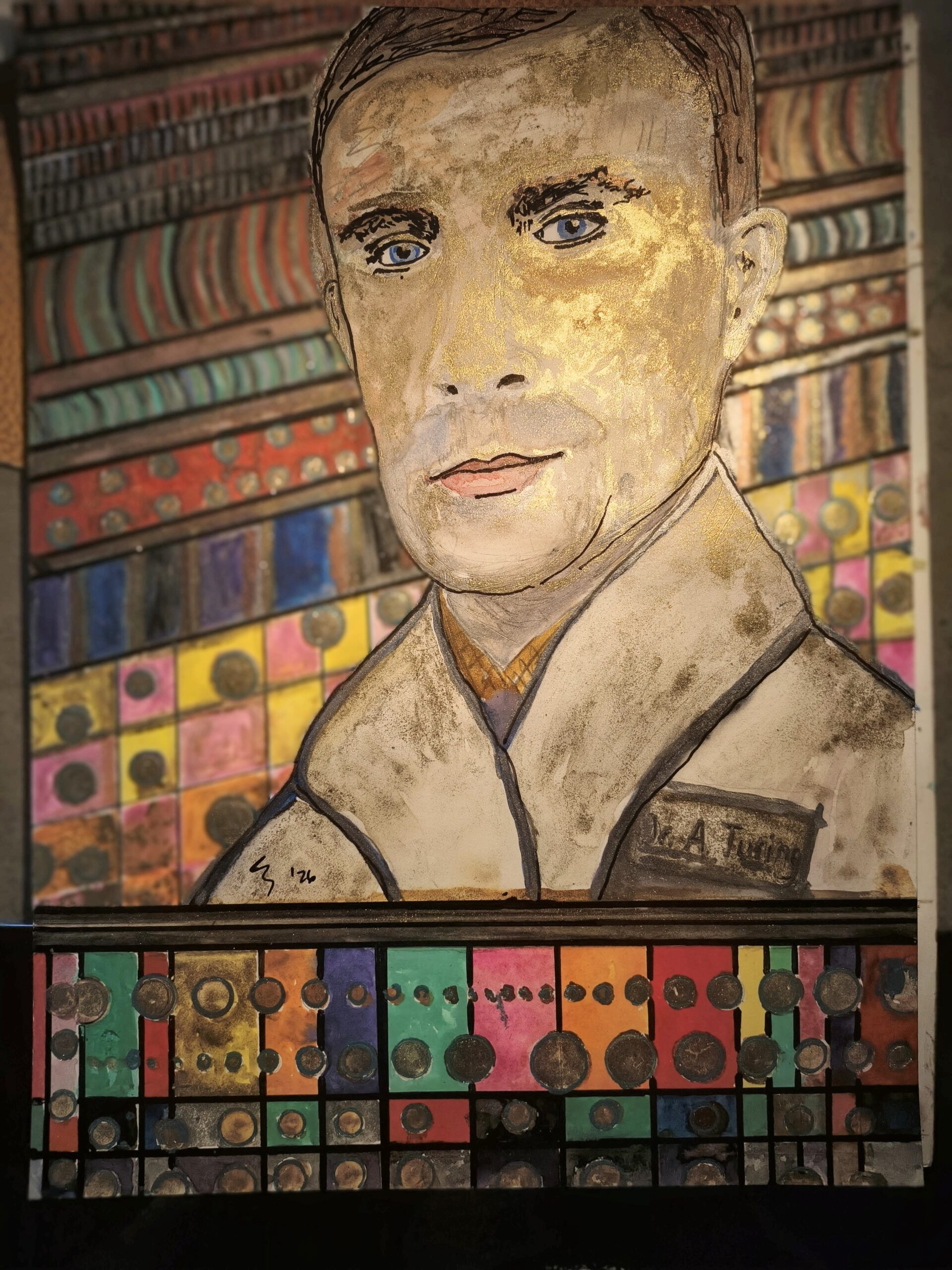
After struggling for weeks trying to think of something to paint for this exhibition, my partner, Robin Irwin, suggested a series of portraits looking at the roots of the LGBTQI community throughout history. I liked that idea very much, and over the last two months of trying to paint portraits of 19 important LGBTQI people from the 7 contents of the world, (Plus gay penguins from Antarctica), I really became moved as I realized how little I actually knew of the history of the entire LGBTQI movement. And I’ve only just, just scratched the surface.
Having just finished the series, I have a feeling of genuine pride that I’ve helped contribute something to ‘the cause’. And it’s not just the LGBTQI cause, it’s the cause of basic human rights for everyone. In that sense, this is a continuation of the work I’ve been doing these last 10 years with the QfWf. It’s just ALL the same in terms of striving towards equal rights for everyone. This development must also come from our collective hearts and minds for it to be truly meaningful. Education is the only path.
Twenty Portraits of Unique Human Beings
Queer World, One World, Our World I consider to be One Portrait with 20 different facets, reflecting the title that we are indeed One World. When we see people like ourselves it helps us to feel included. We need to be educated in and reminded about our essential sameness and worth. As Buddhist’s often say, “We need to attend to the garden of our minds”.
How can one human being be less than another?
When we can ALL answer that ALL human beings have equal worth we will have achieved our ultimate goal!
And in terms of the facets of this ONE sparkling jewel of the LGBTQI humanity….. Well, it would have to be the largest jewel ever known to contain the incredibly endless diversity of the LGBTQI community. We are you…. And you are us!
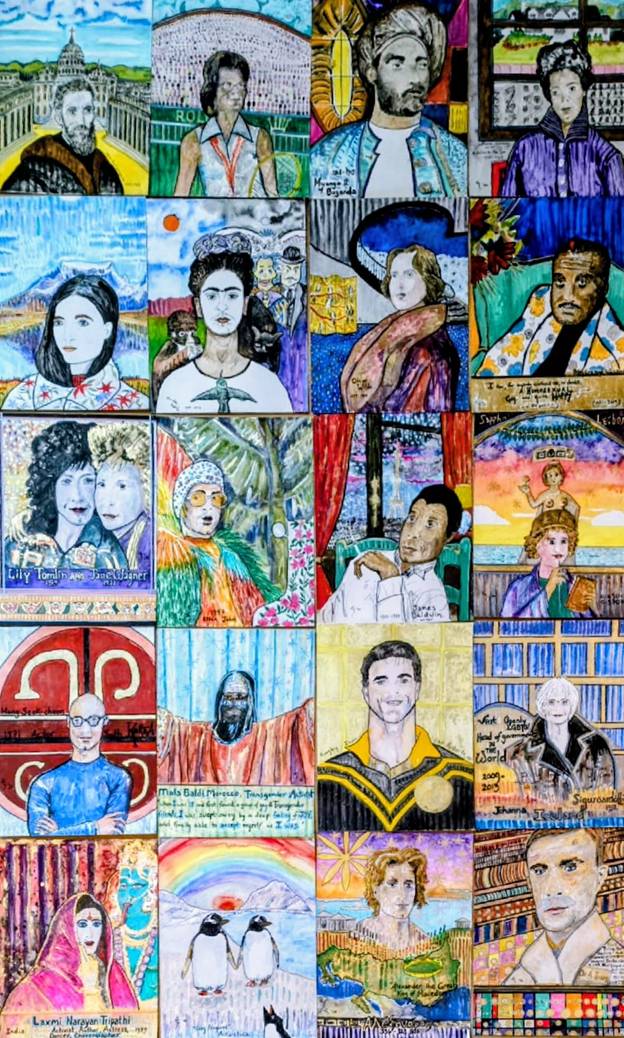
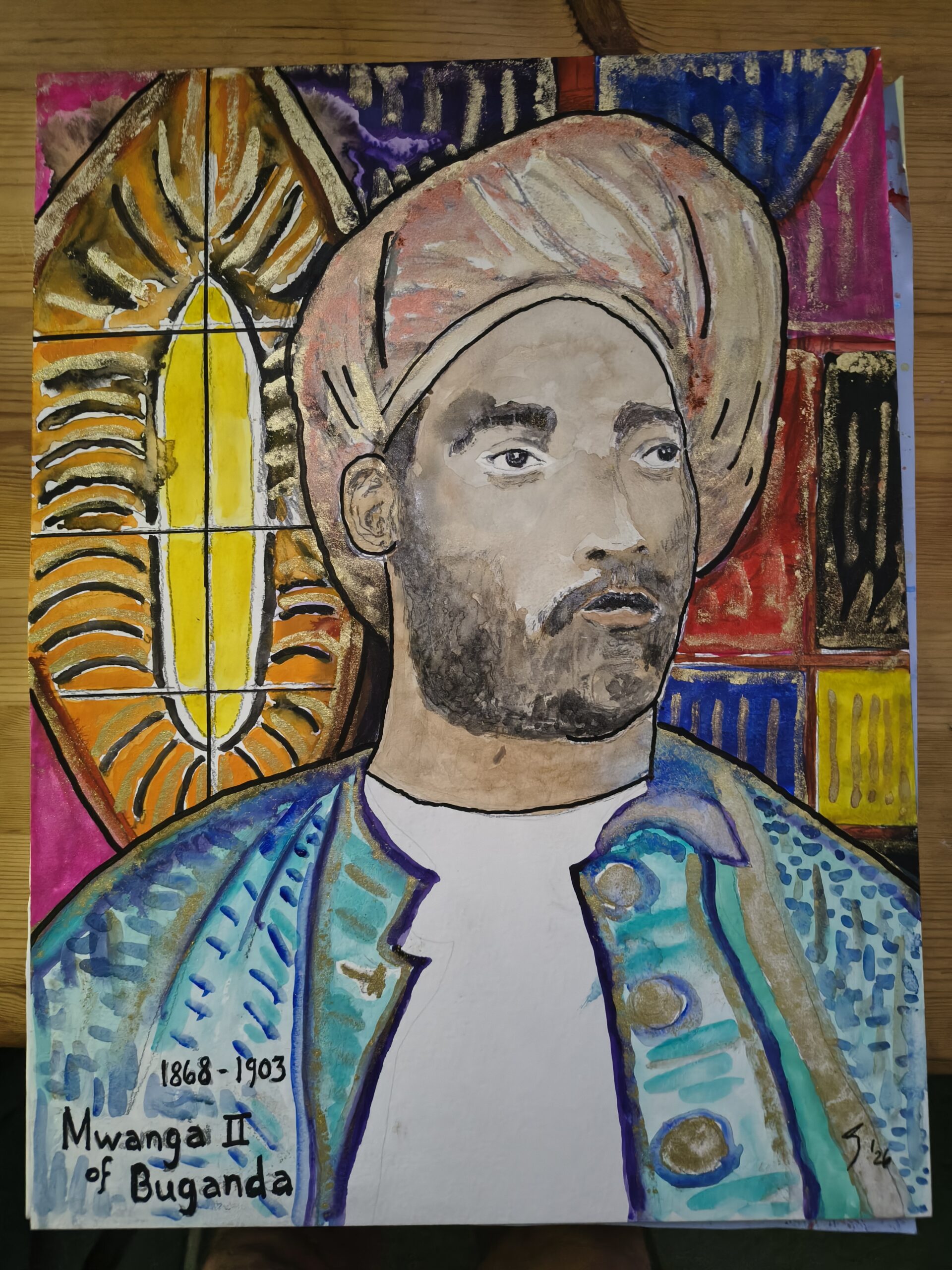
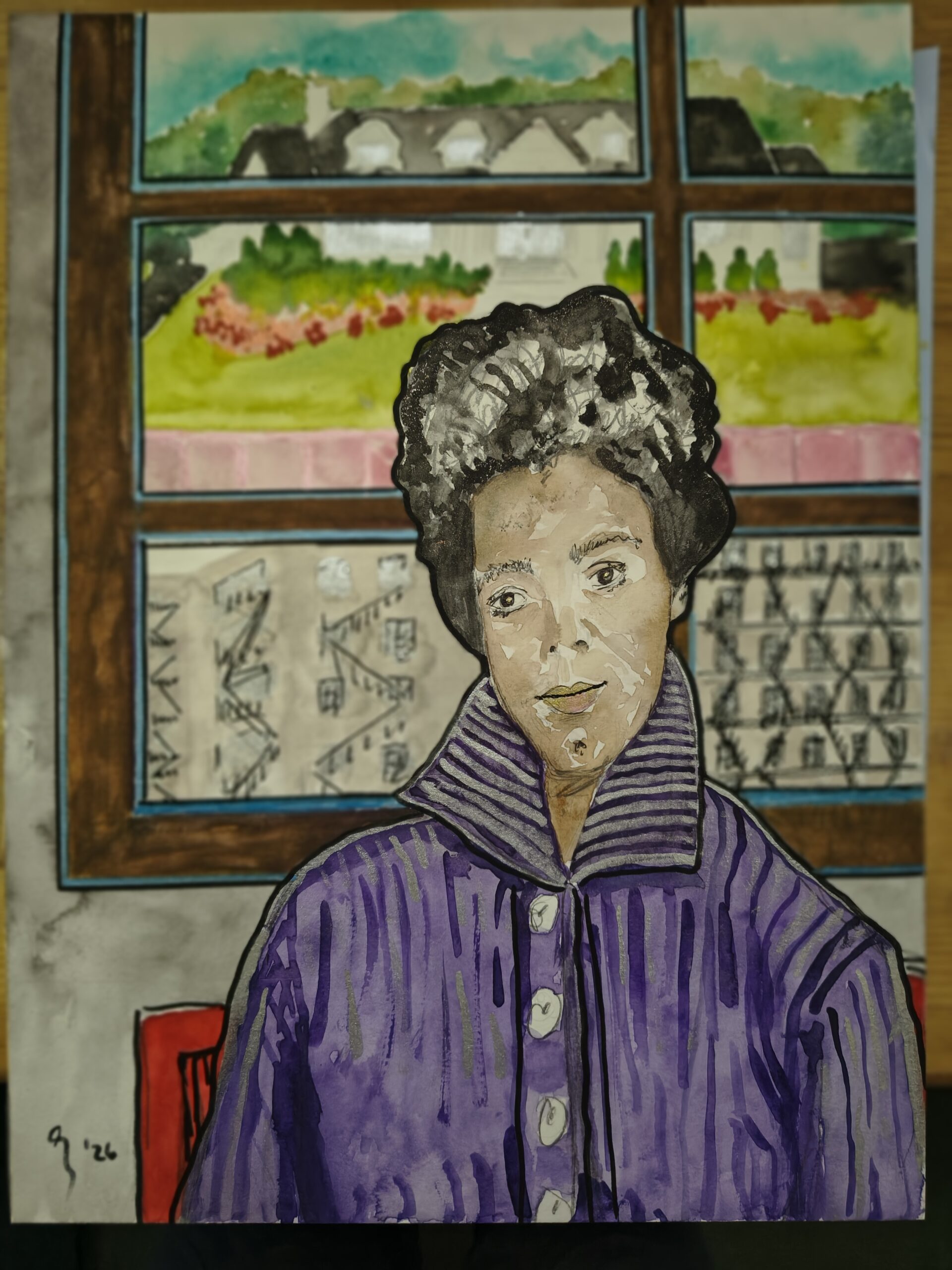
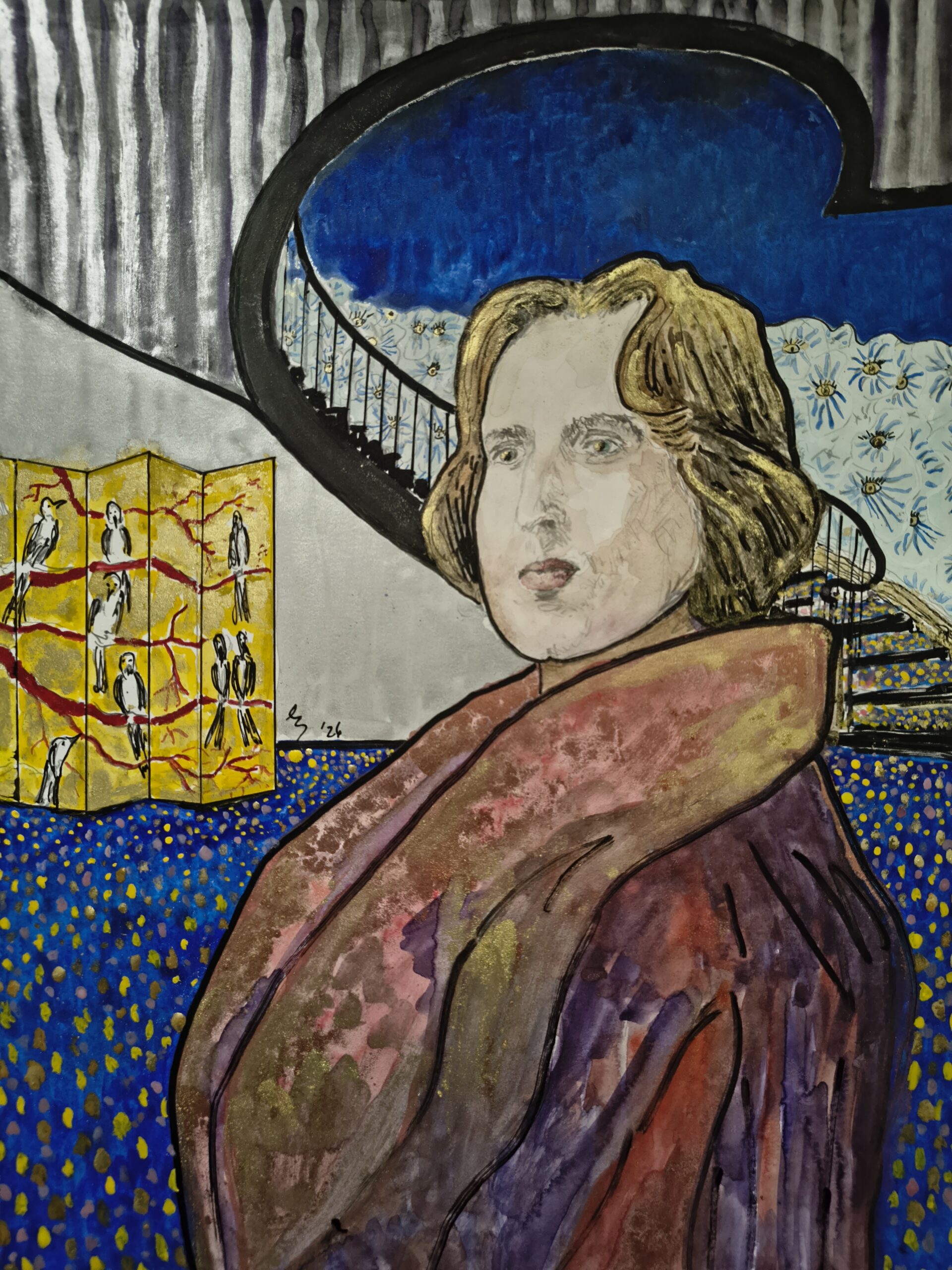
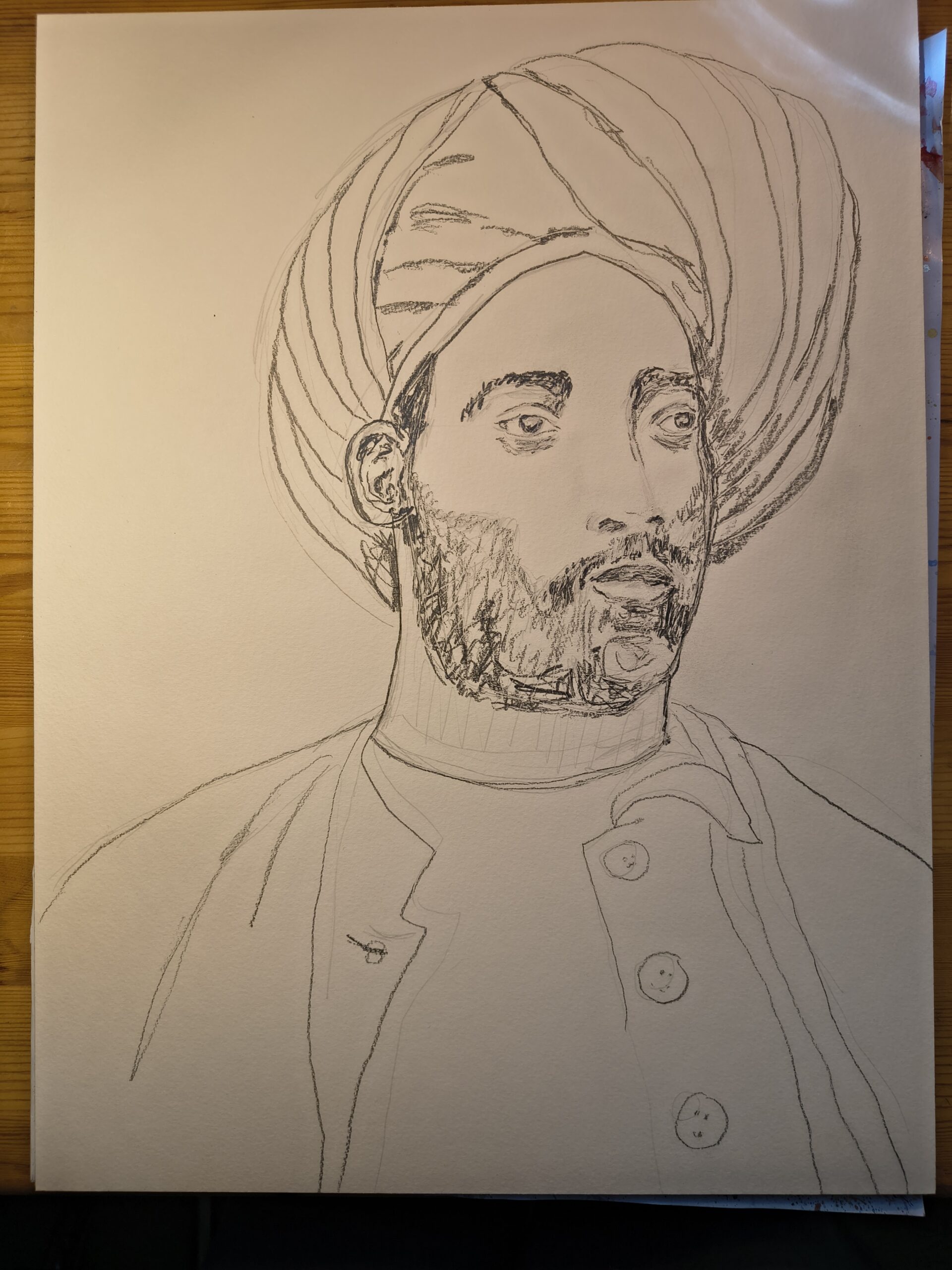
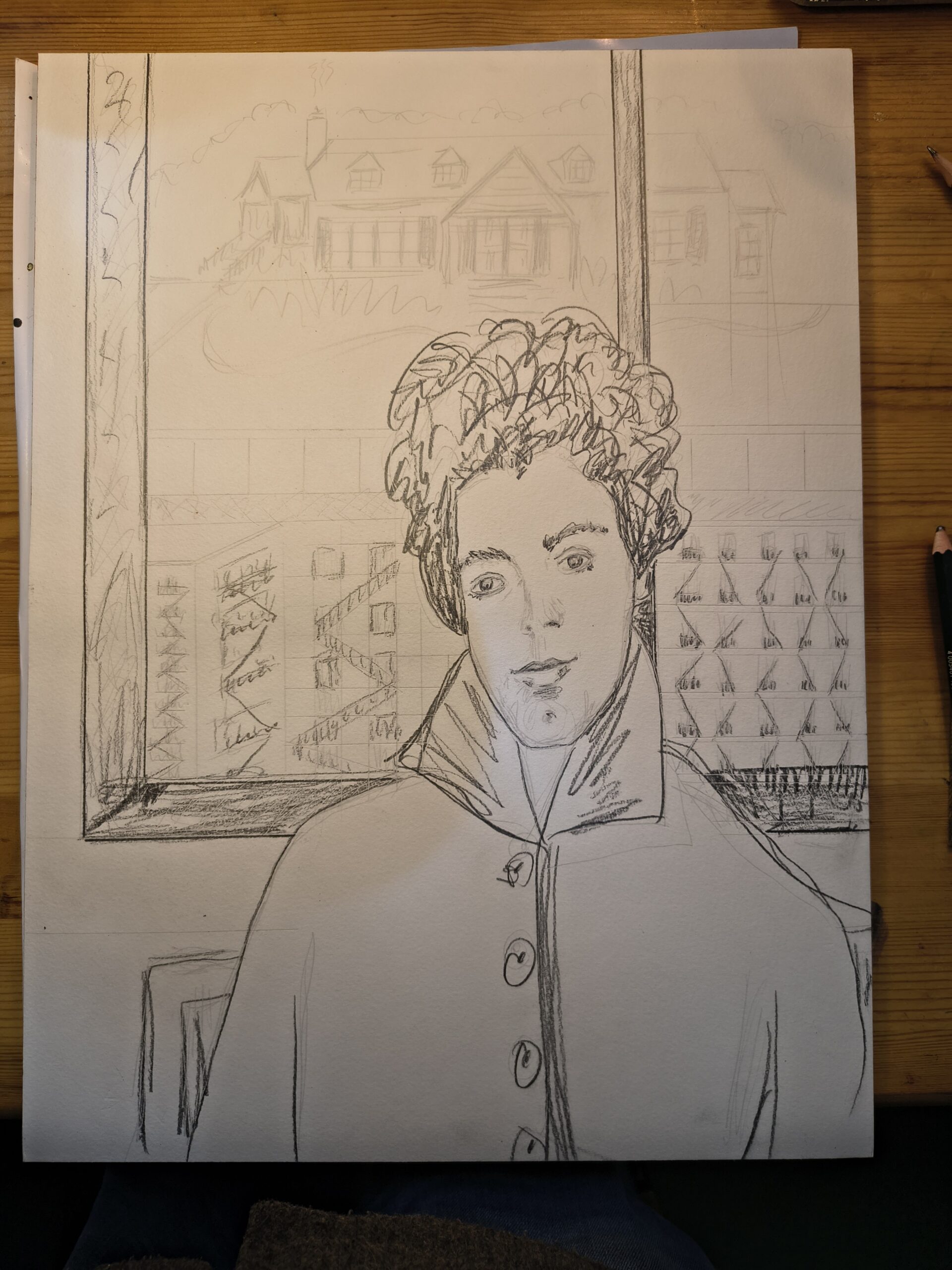
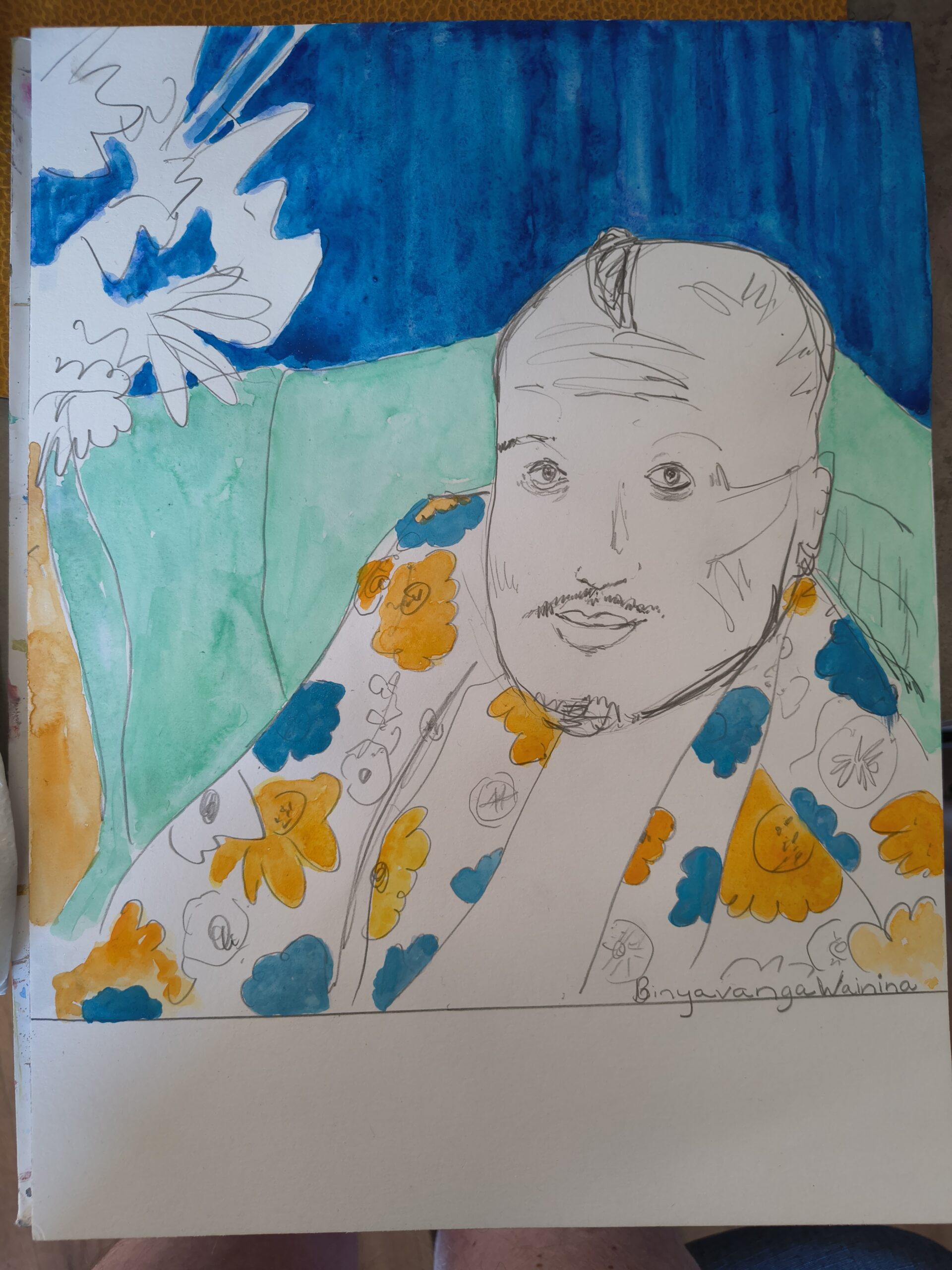
The 20 different facets of Queer World, One World, Our World are, from Left to Right, Top to Bottom, just like a book:
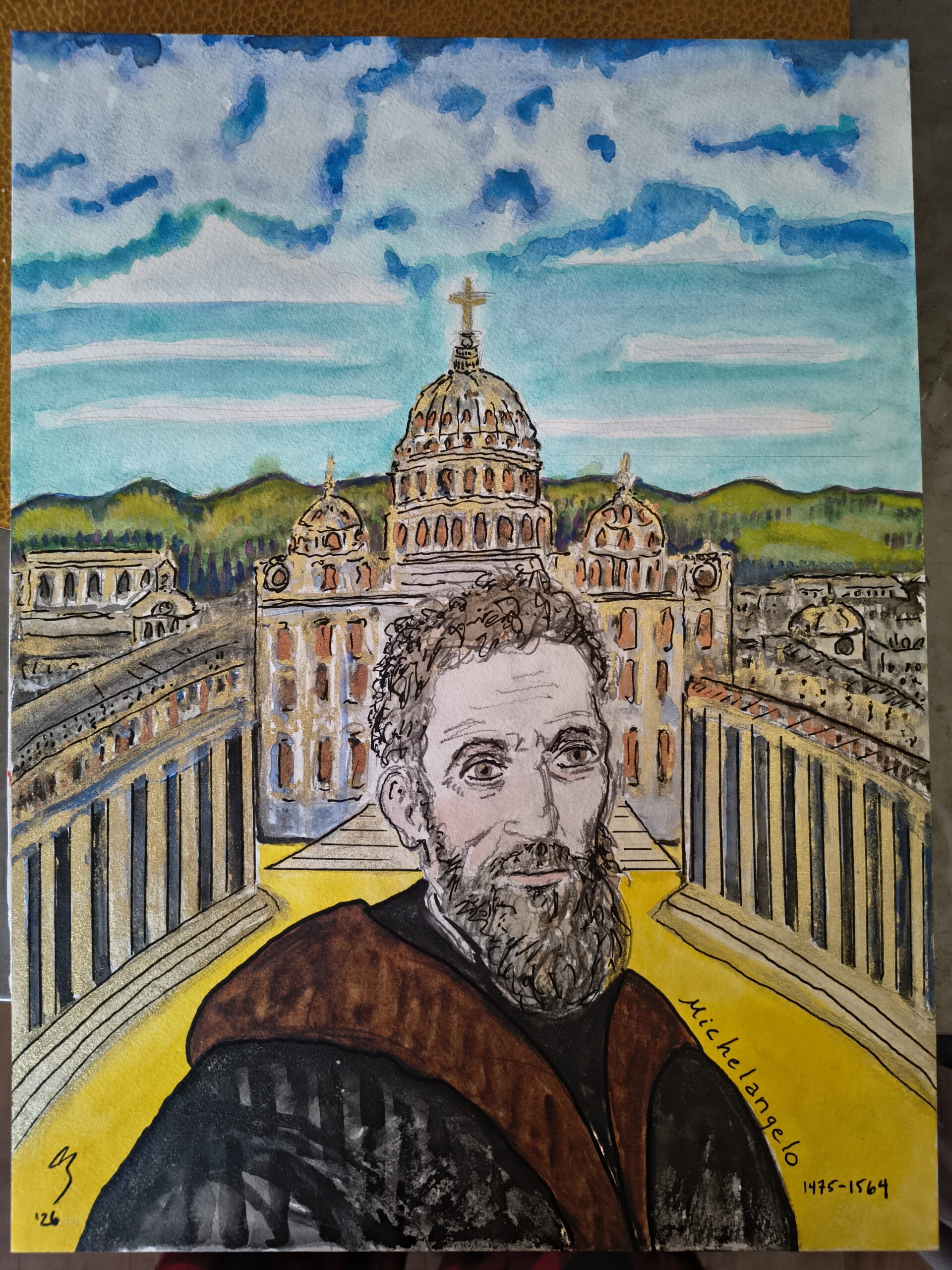
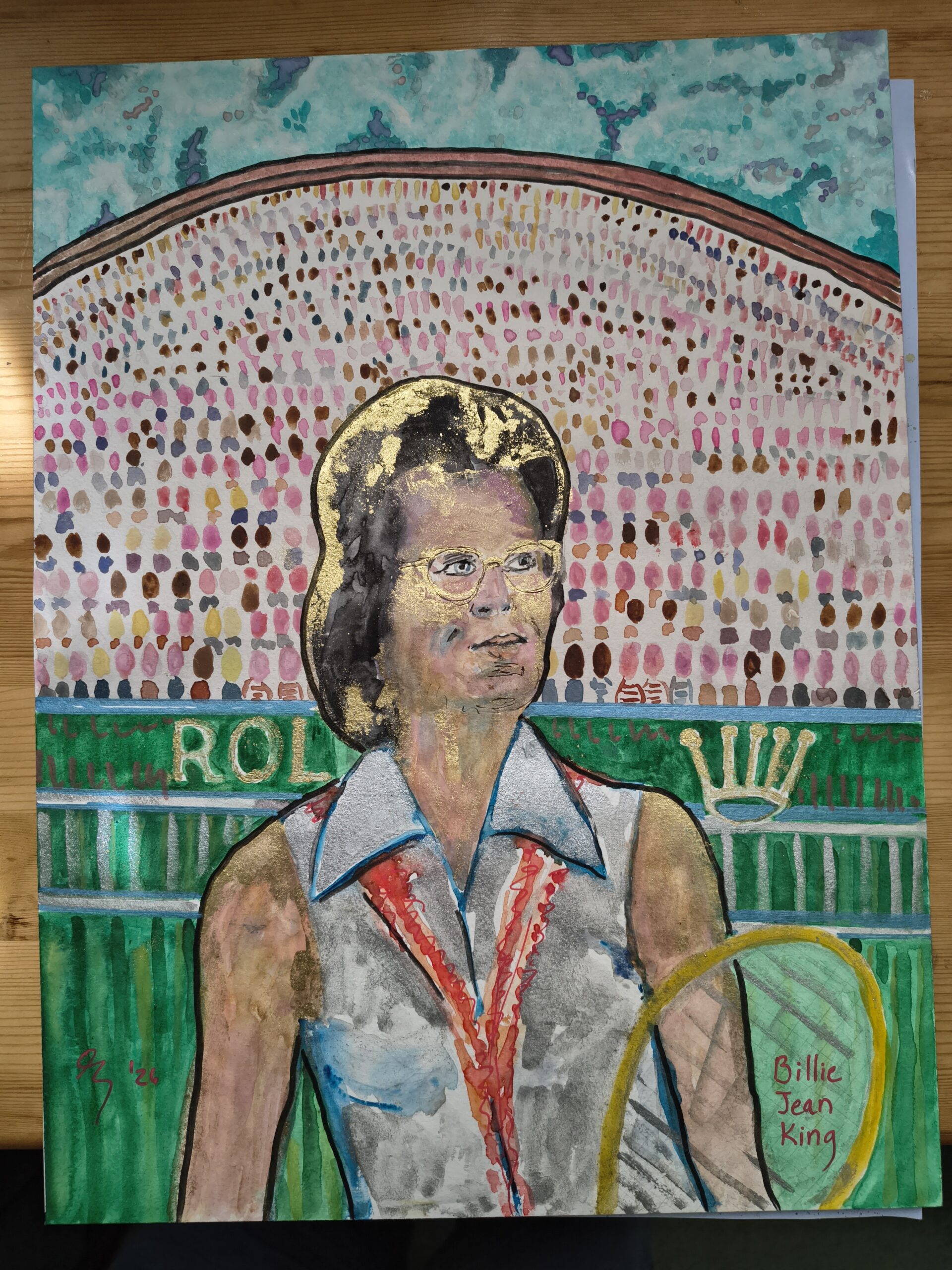
2. Billie Jean King, USA, 1943, tennis legend, LGBTQI activist, crucial player in establishing equal prize money for female athletes.
3. King Kabaka Mwanga II, 1868-1903, present day Uganda, 31st King of Buganda Kingdom at 18 years of age, resisted British colonialism, was banished and died at 35.
4. Lorraine Hansberry, 1930-1965, trailblazing American playwright, journalist, civil rights activist, and a pioneer voice for the LGBTQI community. “A Raisin In the Sun”, 1959, Her widely acclaimed play, was the very first from a Black female on Broadway, NYC.
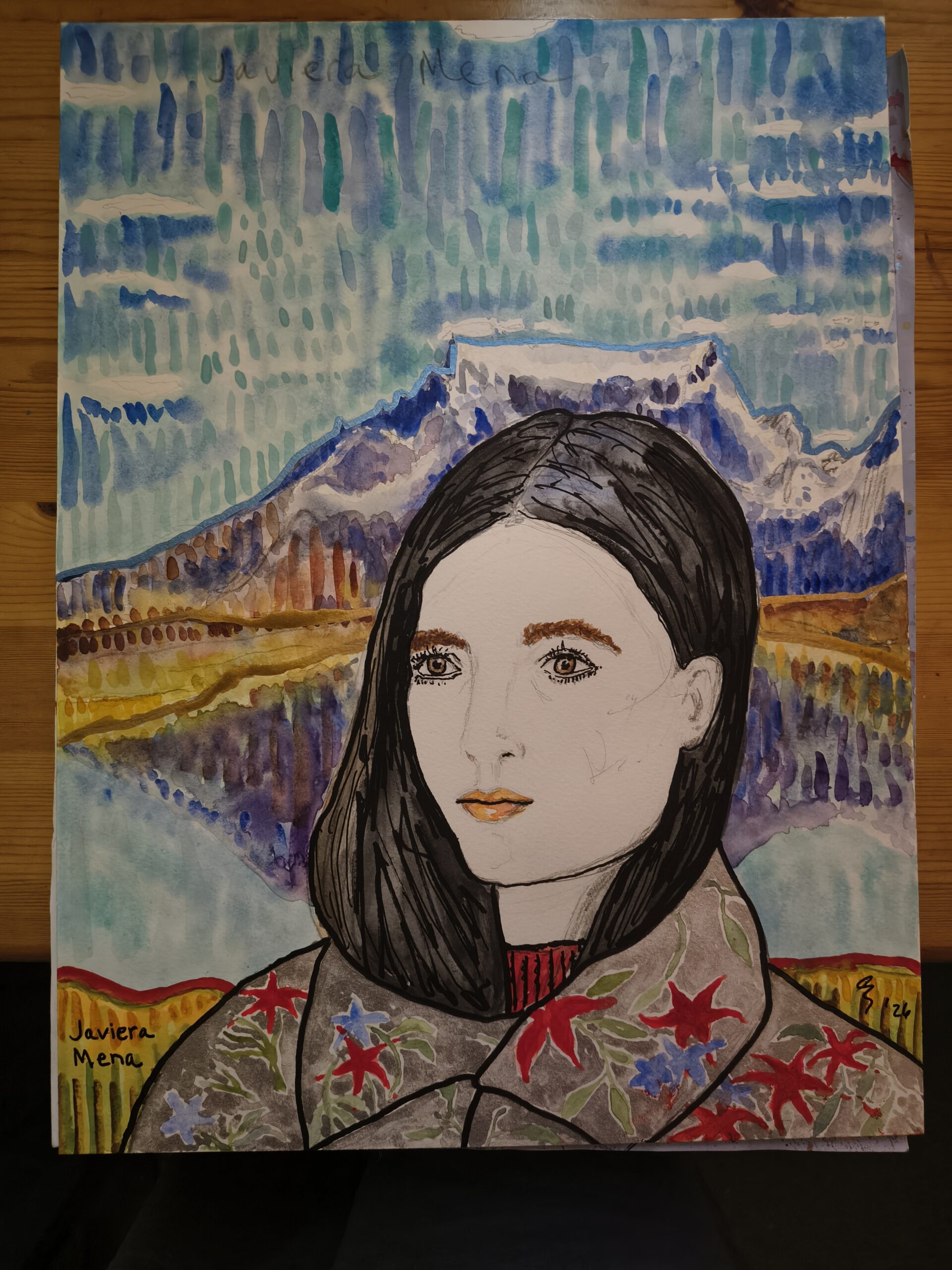
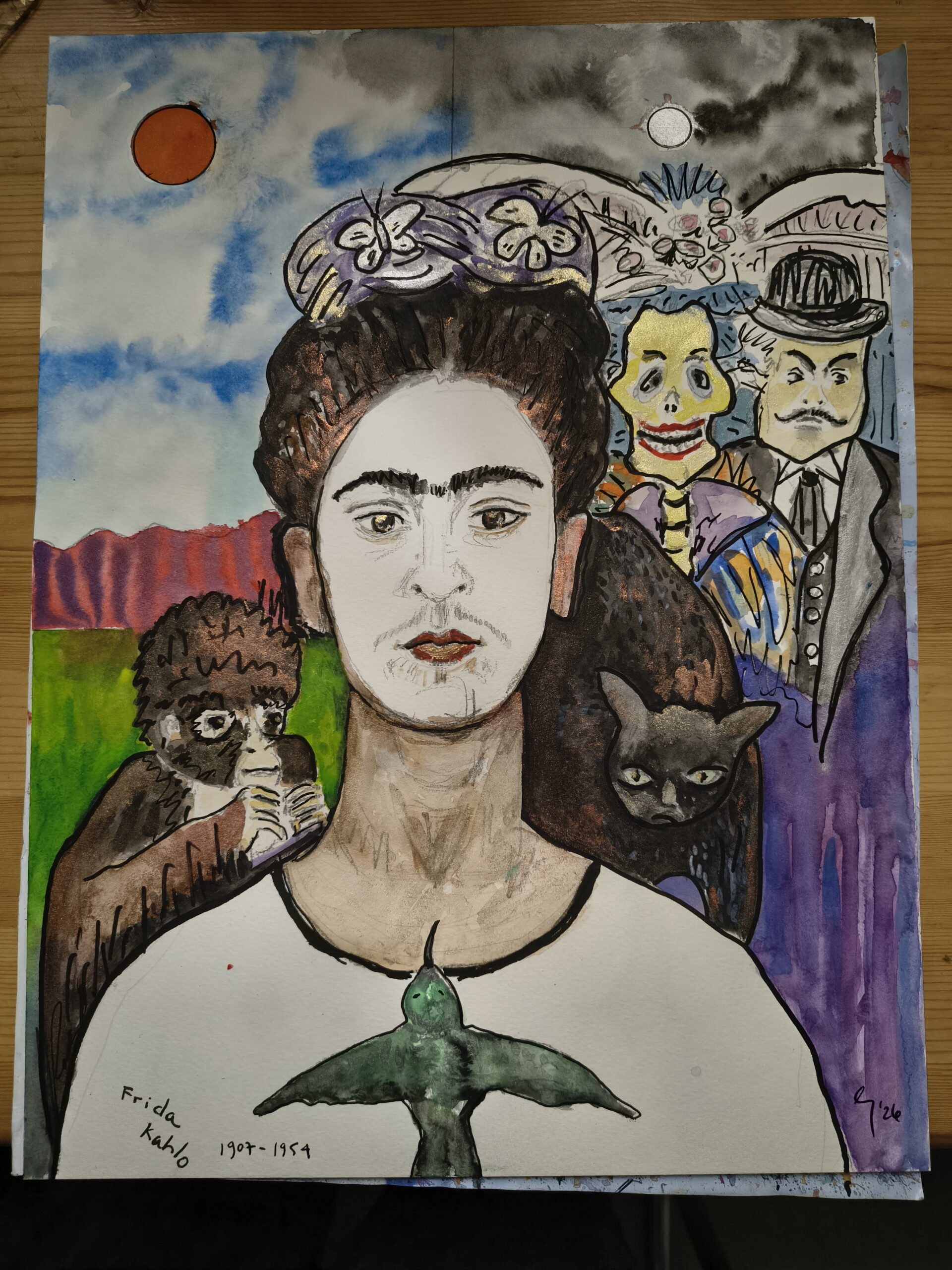
5. Javiera Mena, Chile, 1983, singer, songwriter, musician & record producer.
6. Frida Kalho, Mexico, 1907-1954, surrealistic painter, whose self-portraits explored the trauma of the female body and her Mexican heritage.
7. Oscar Wilde, 1854-1900, England, highly successful author and playwright, whose works include The Picture of Dorian Gray and The Importance of Being Earnest. He advocated ‘art for art’s sake’.
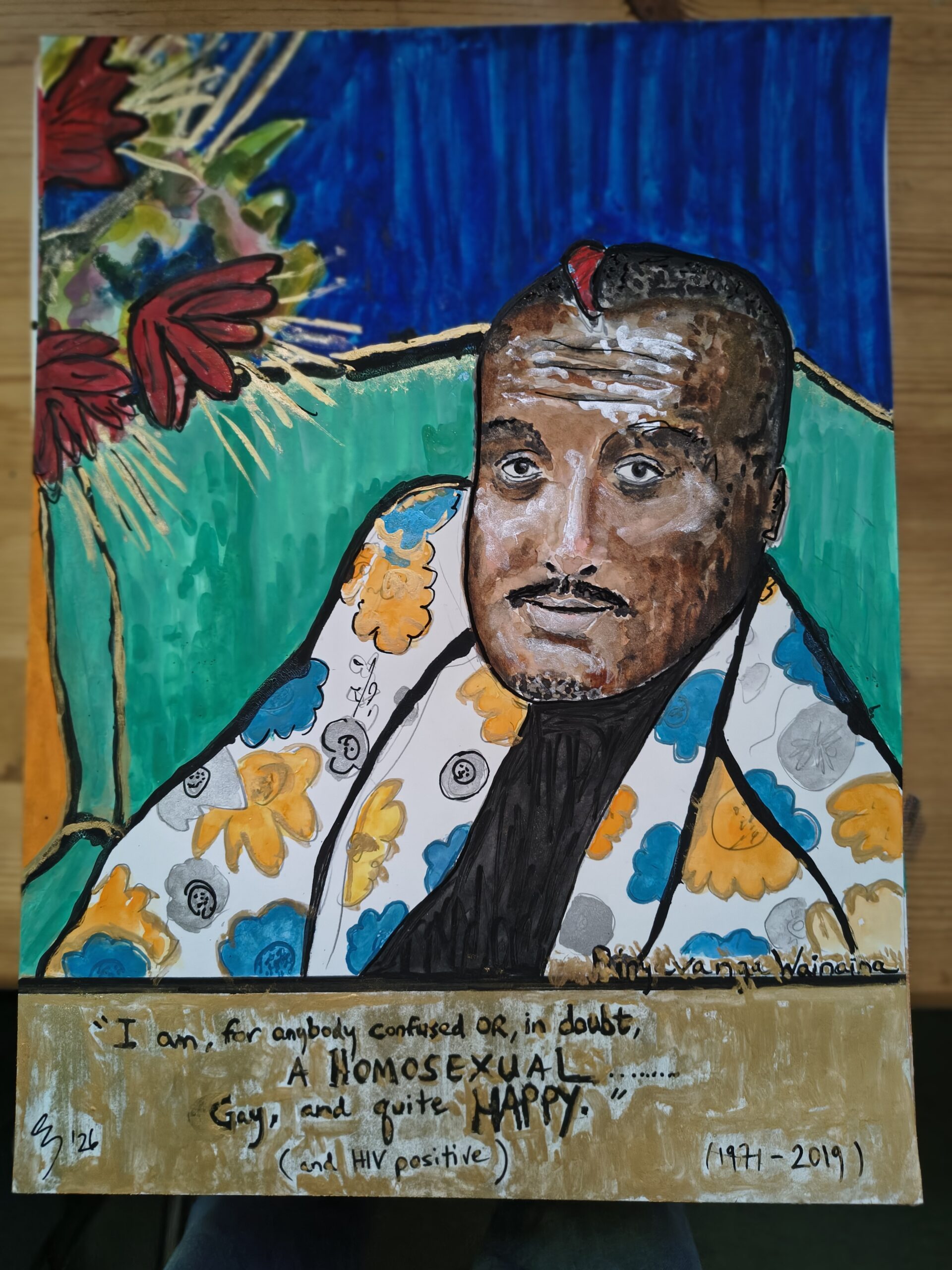
8. Binyavanga Wainaina, 1971-2019, Kenya award winning author and HIV positive.
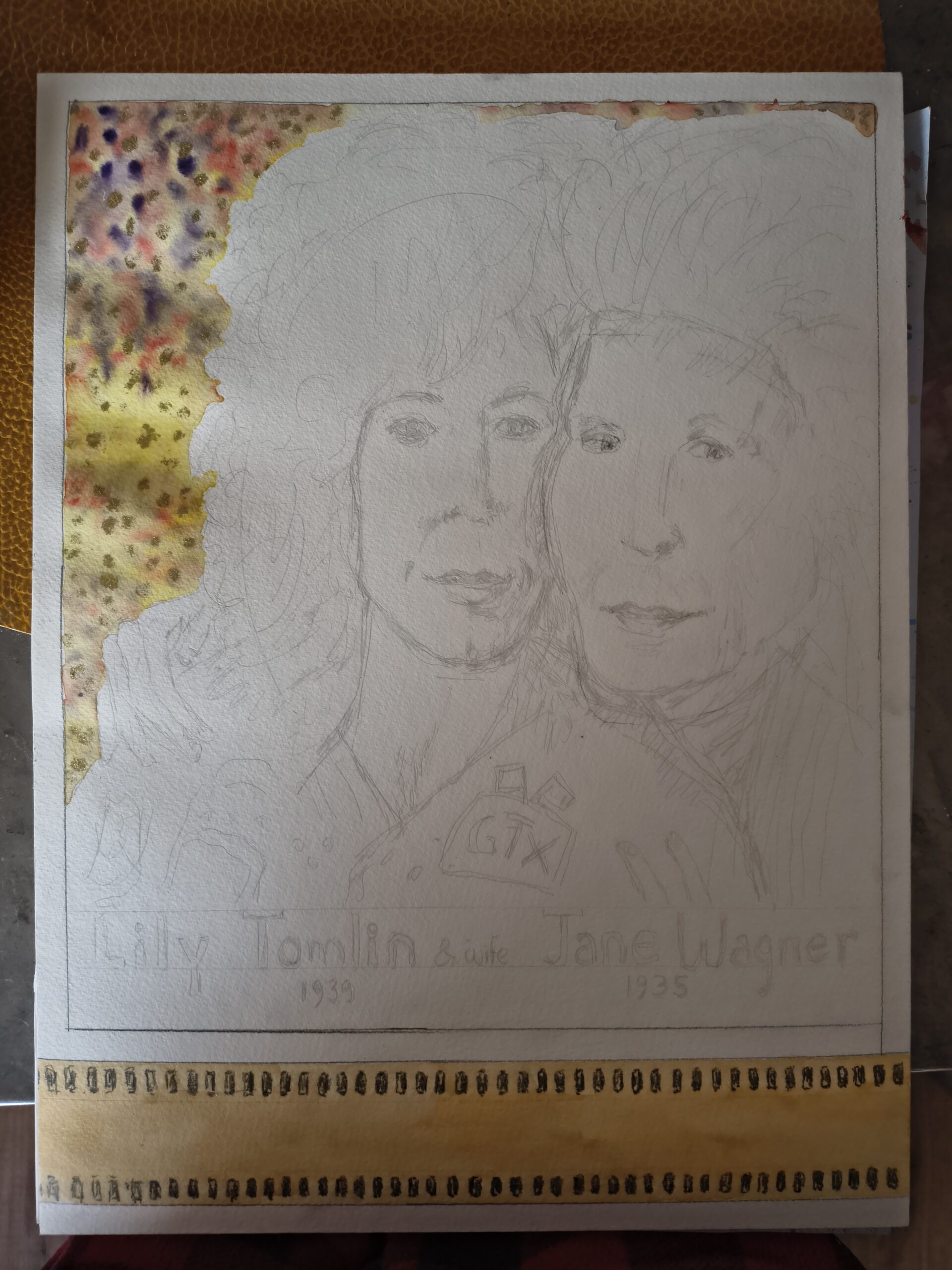
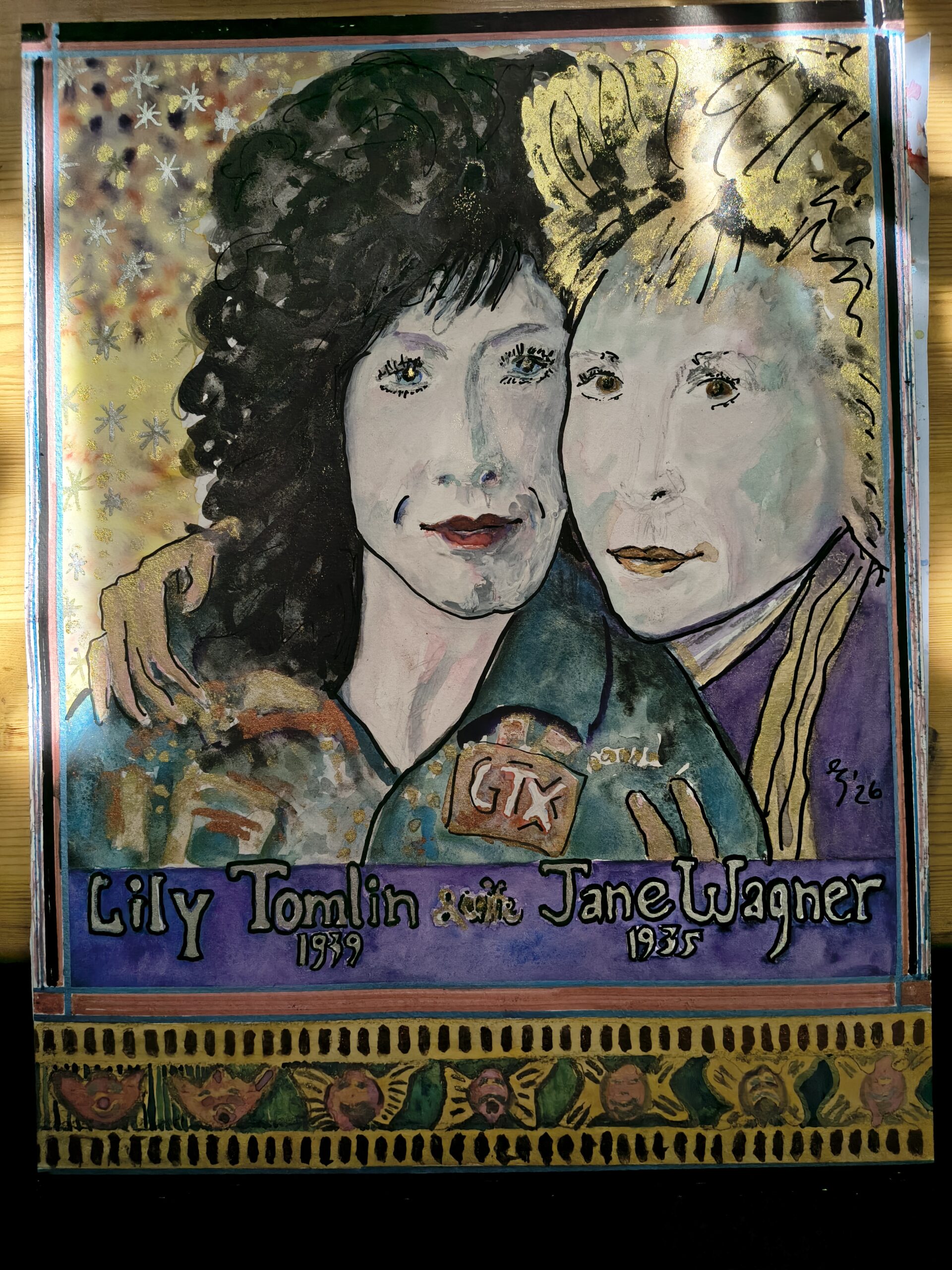
9. Lily Tomlin & Jane Wagner, 1939, 1935, respectively, USA. Tomlin, actress & comedienne.
Wagner, writer, director & producer.
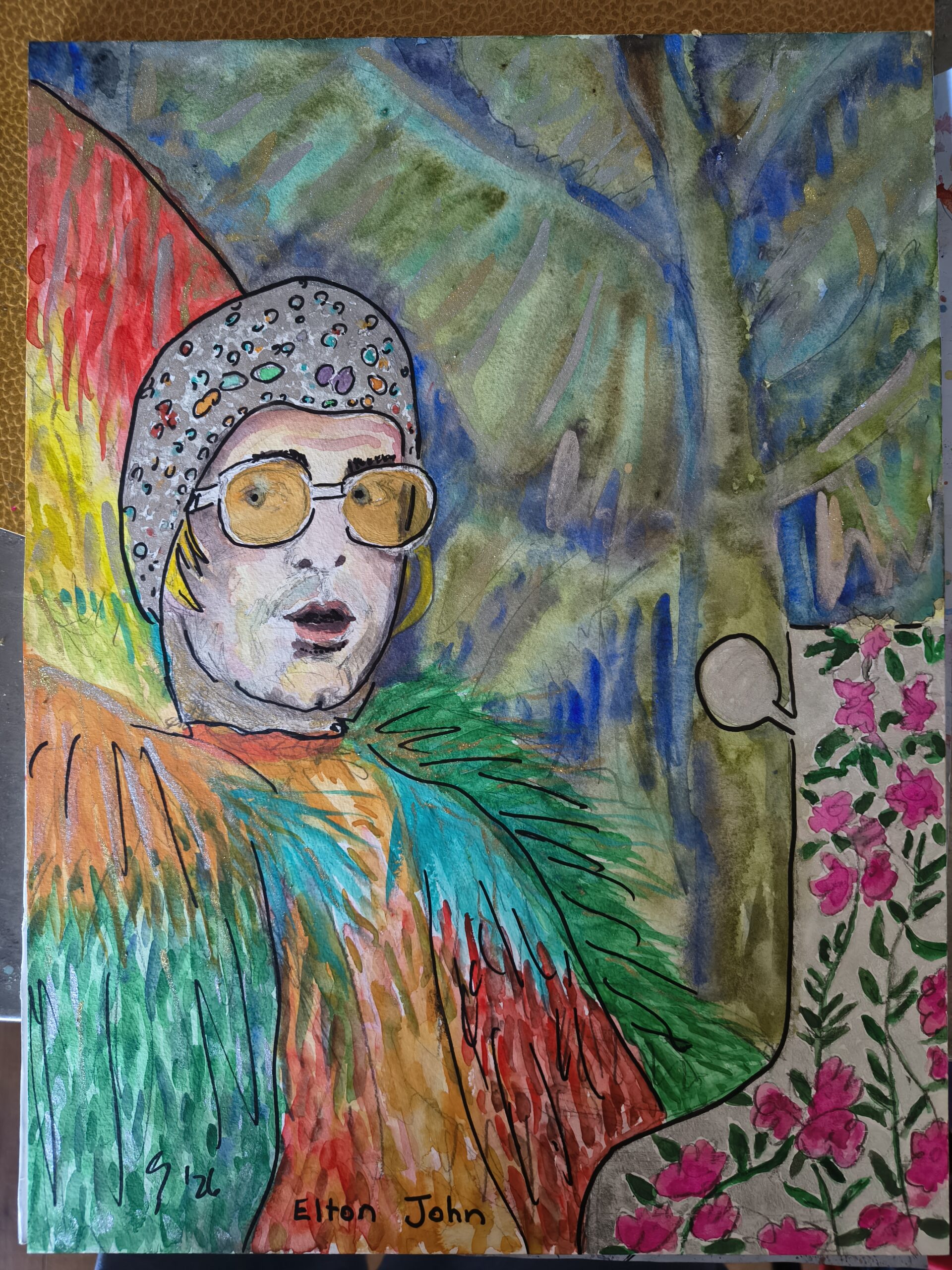
10. Elton John, UK, 1934, UK, singer, composer & producer.
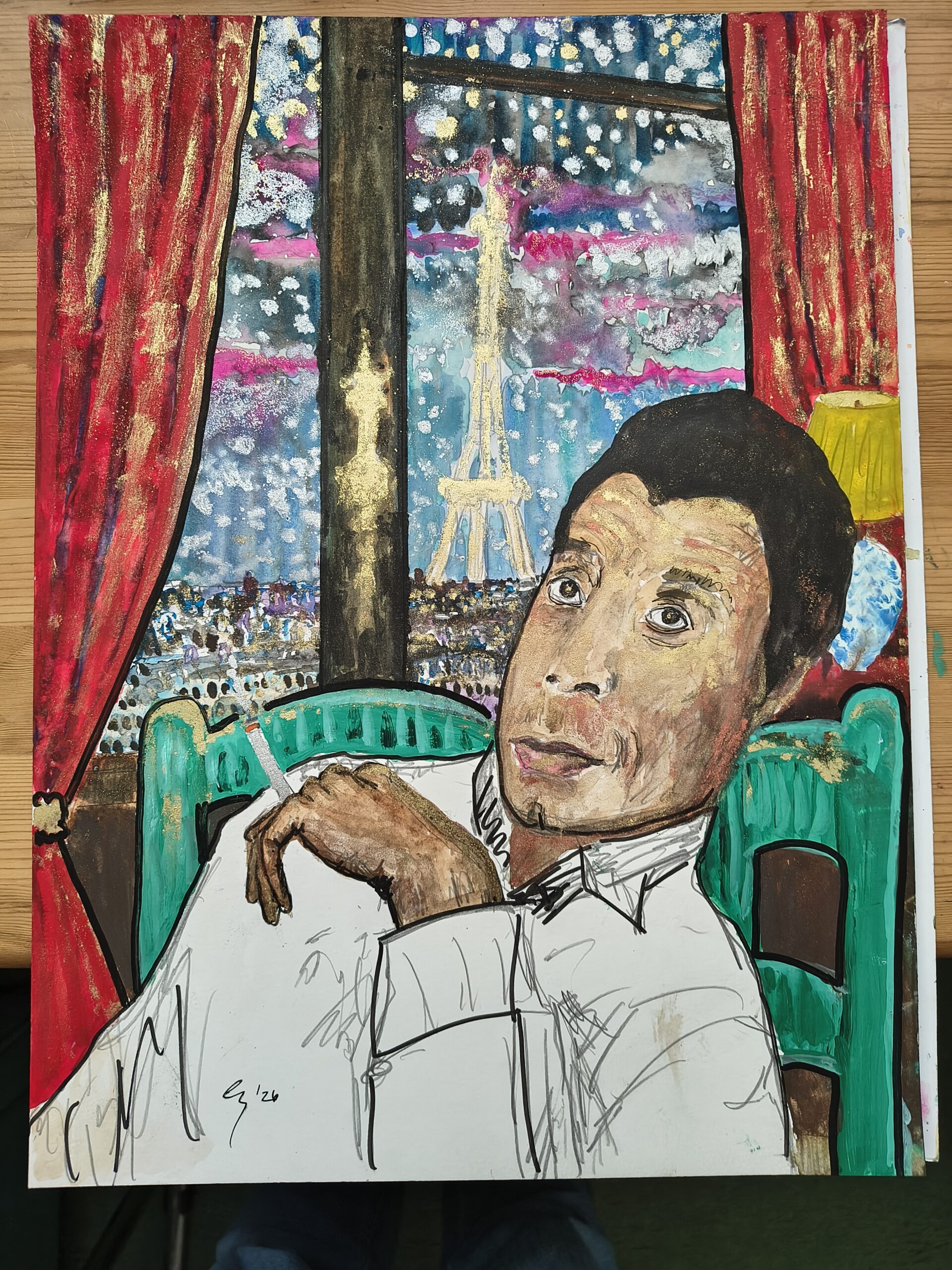
11. James Baldwin, USA, 1924-1987, novelist, essayist, playwright & civil rights activist.
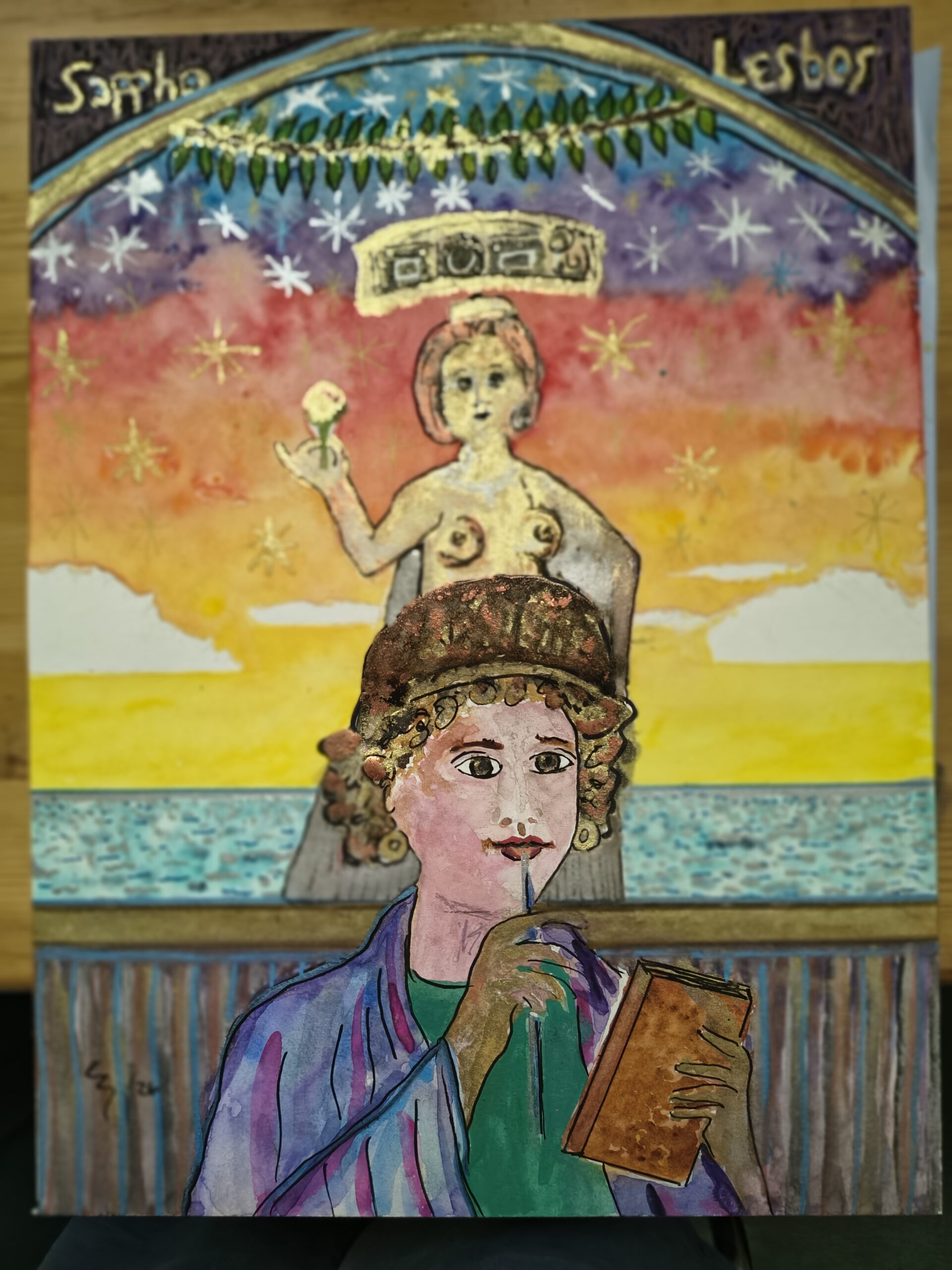
12. Sappho, Lesbos, Greece, 630-570 BCE, poet, wrote about female love. Inspired words sapphic & lesbian.
13. Hong Seok-Cheon, 1971, South Korea, actor, television personality & member Democratic Labor Party.
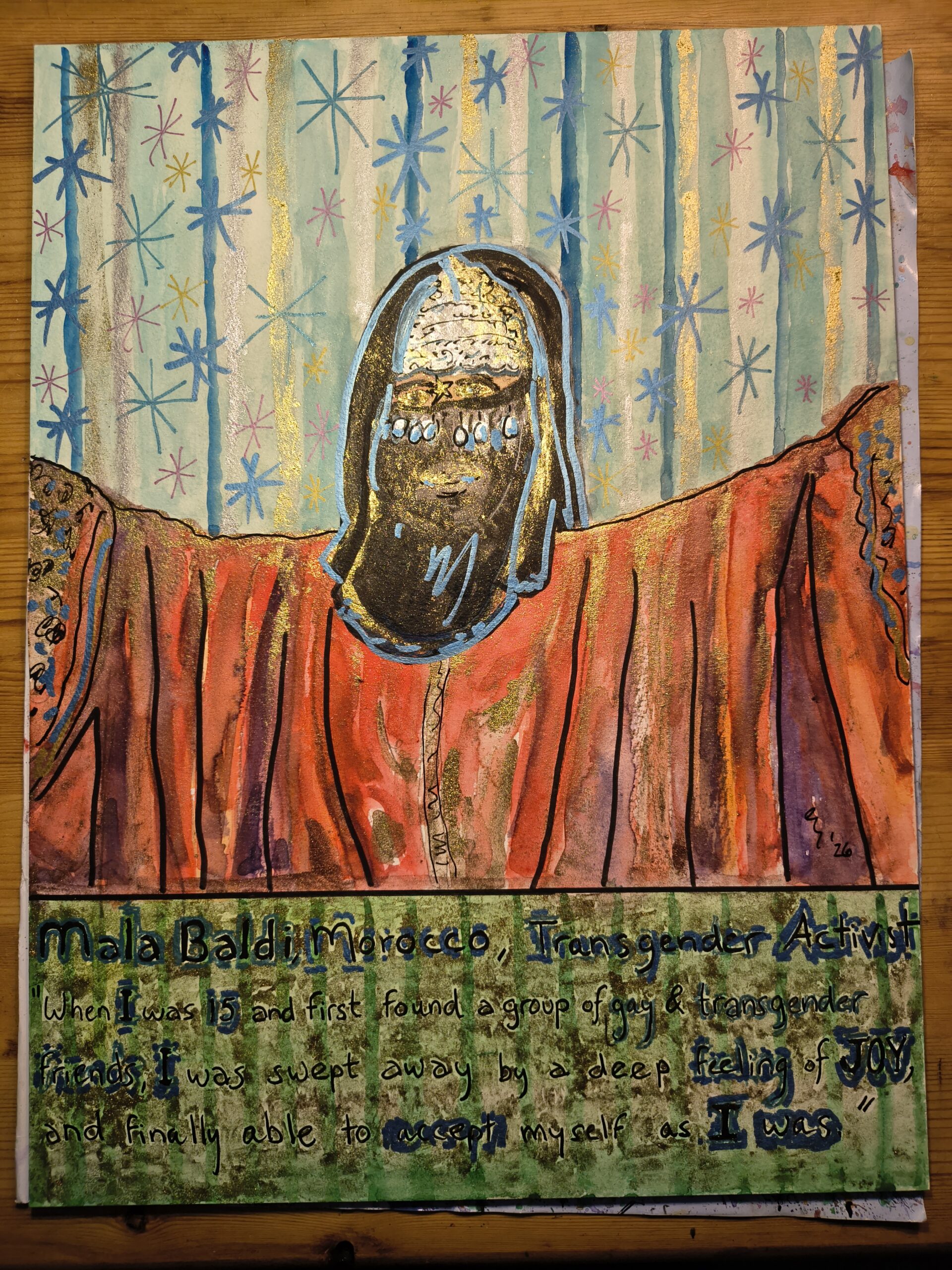
14. Mala Baldi, Morocco, ?, dancer & transgender activist.
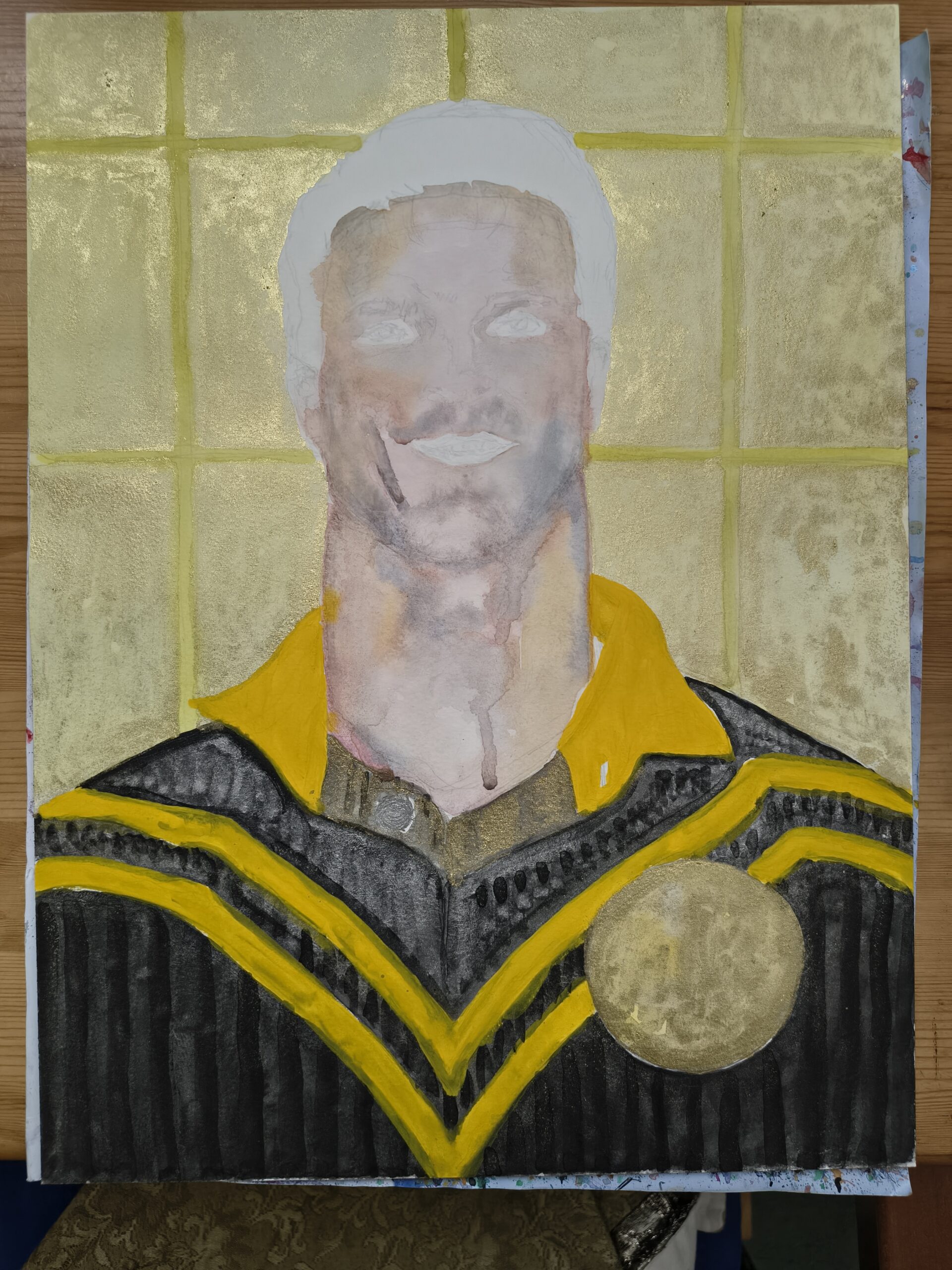
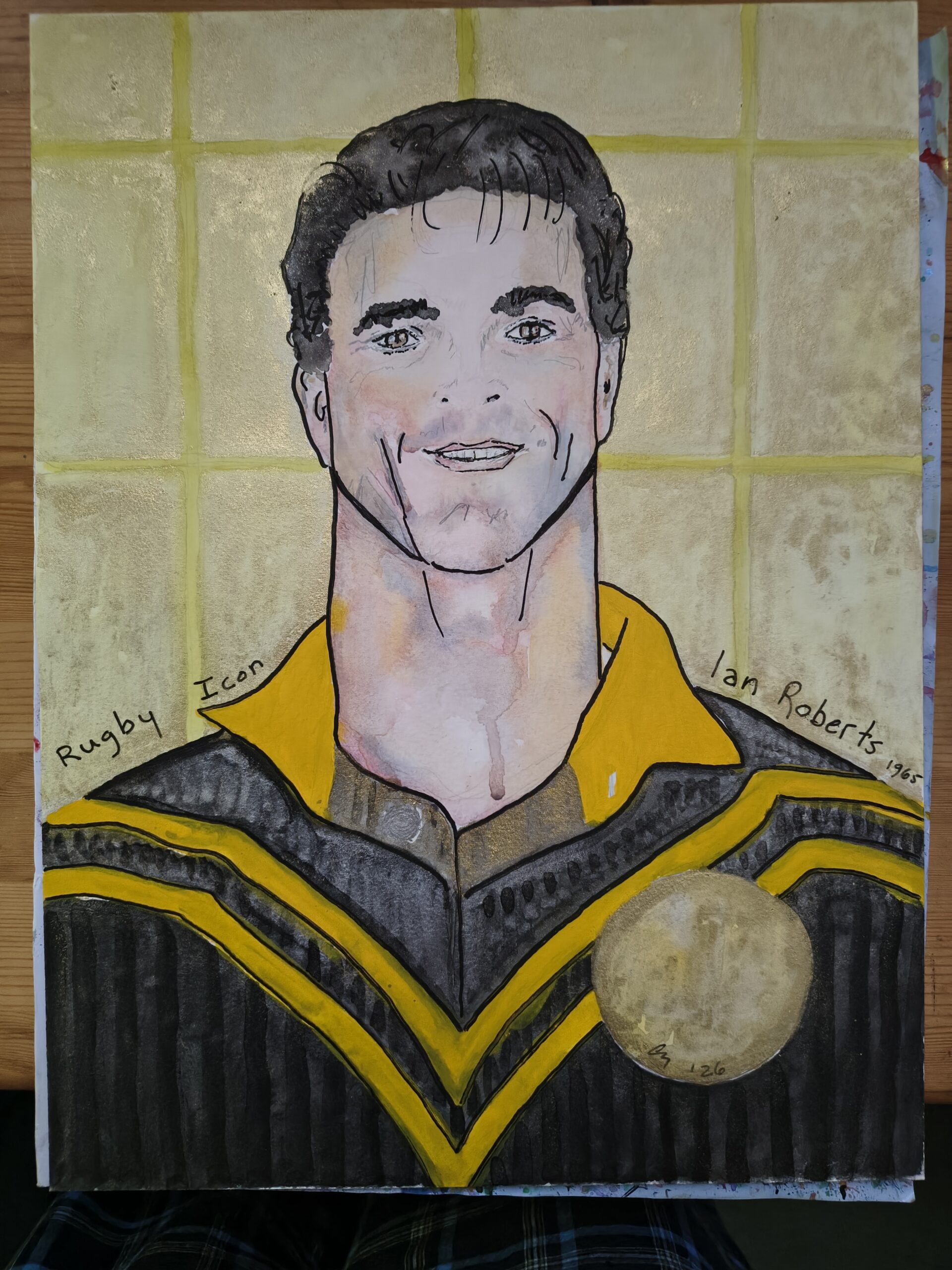
15. Ian Roberts, Australia, 1965, professional rugby player, actor & activist.
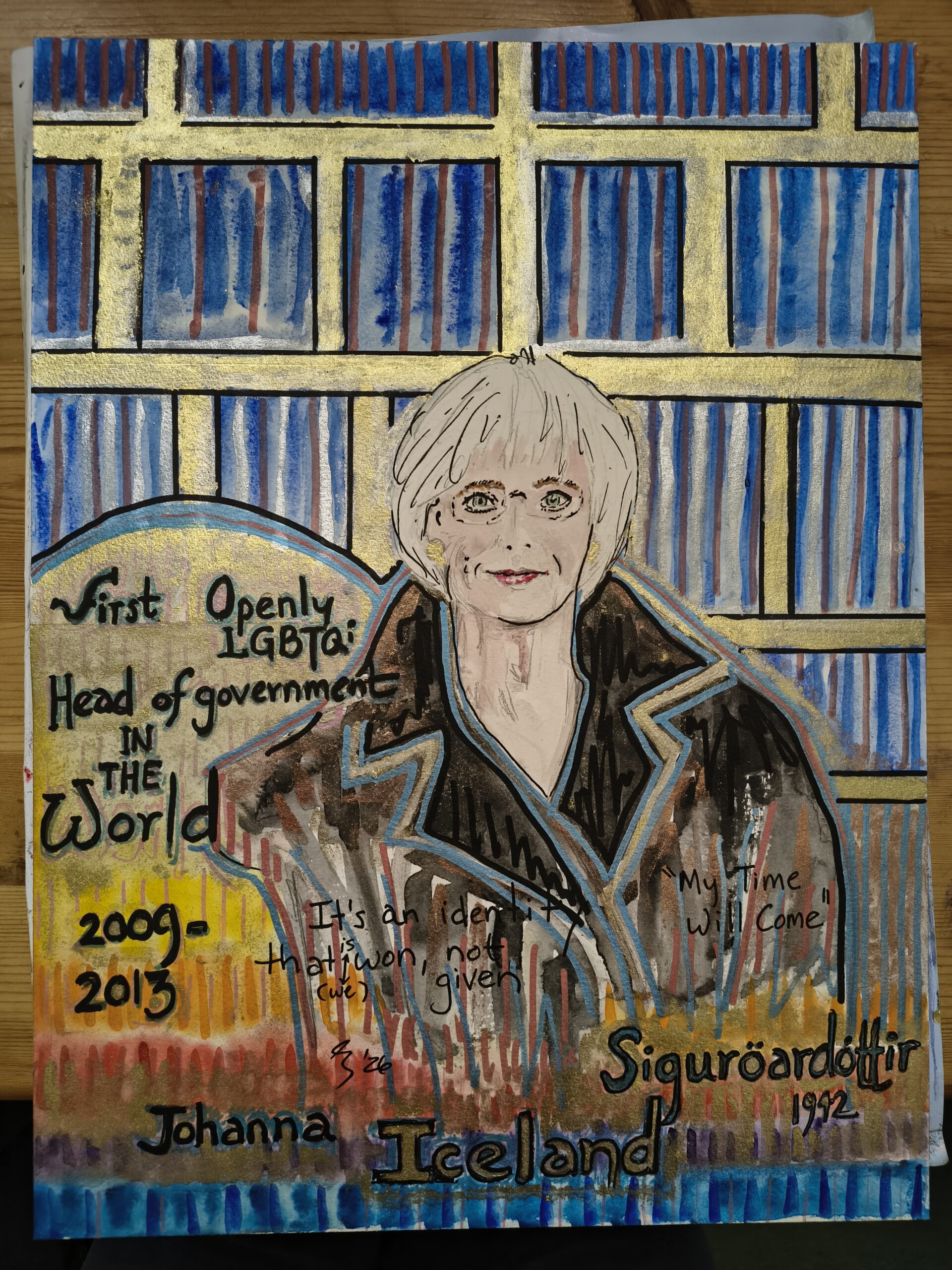
16. Johanna Sigurardottir, Iceland, 1942, first openly queer leader of a nation in 2009.
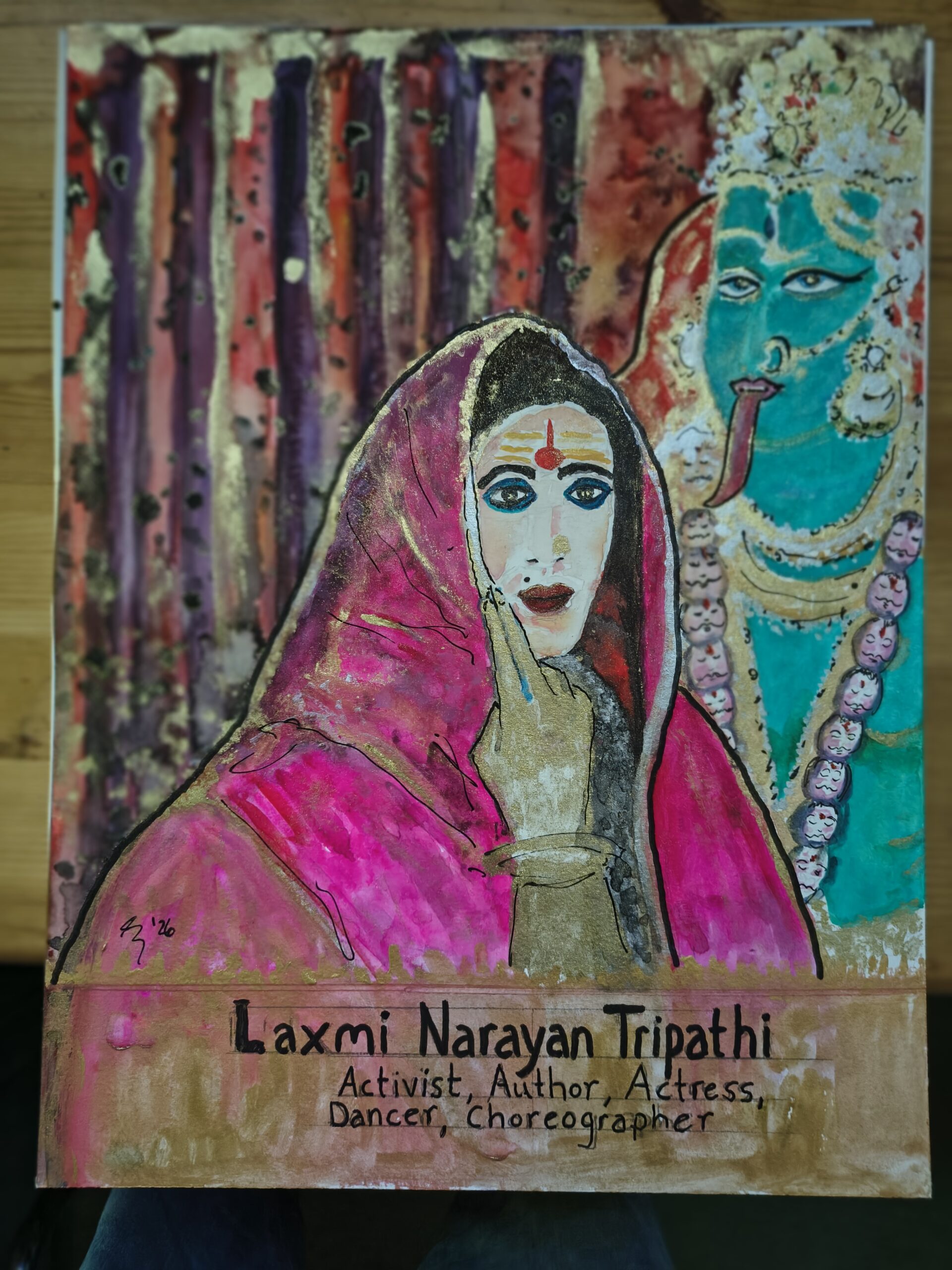
Laxmi Narayan Tripathi, India, 1976, transgender activist, actress, dancer, choreographer & motivational speaker.
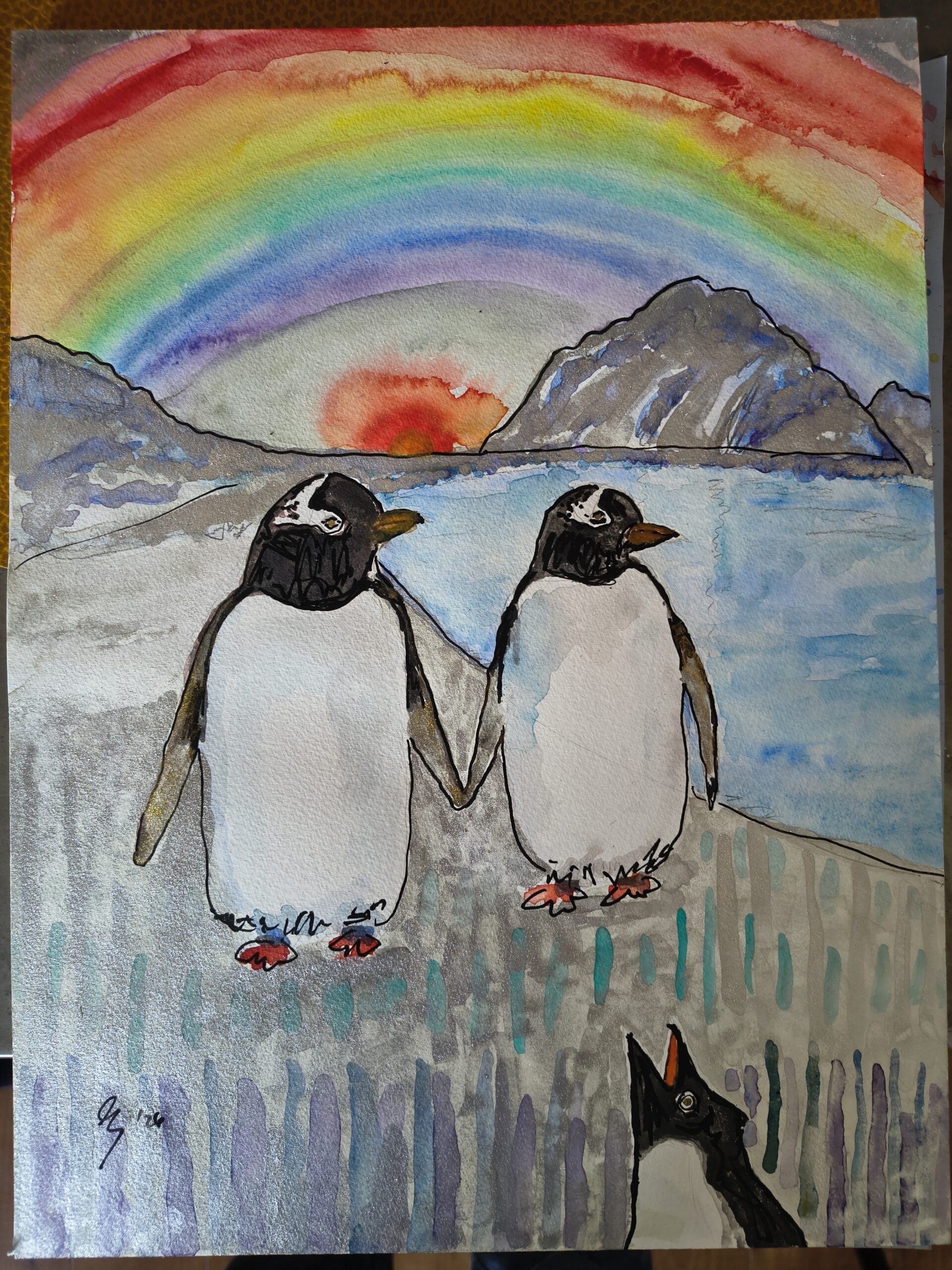
18. Antarctic Penguins, multiple species in same sex relationships raising families.
19. Alexander the Great, Pella, modern day Northern Greece, 356-323 BCE, created one the largest kingdoms of the ancient world. Ascended throne at 20, died at 32.
20. Alan Turing, UK, 1912-1954, broke German Enigma Code during WW2. Laid the foundational concepts for modern day computer science & AI. Died by suicide after he was convicted of being a homosexual.
Evaluative Remarks
and Further Reading
Looking at Greg’s artworks, it’s clear that he plays his part in enriching Pride with great skill and inspiration, while his writing invites us to think about the nature of Pride as an intercultural ritual. Lately, we see the blending of traditional religious rituals with queer identity more and more often. Major religions have been opening up small but invaluable spaces for queer individuals among their congregations as can be seen in Islamic, Jewish and Unitarian Universalist communities. On the other hand, queer individuals have always been creating and performing their own rituals in their unique ways. We should see Pride as a quintessentially queer ritual that offers millions self-affirmation and companionship. Its core strength perhaps lies within the sheer scope of its participants: it extends far beyond the limited range of premodern group rituals. It crosses ethnicities and nationalities. It invites us to separate ourselves from our own tribe for a while and try to see the common ground between ourselves and the “other.”
How does one leave behind their tribe? Perhaps the answer lies within the simple but indispensable desire that lives in each and every one of us. It is what keeps communities together and what all rituals are anchored in: to live a good life. In all of its various forms, Pride is the ritualised celebration of fundamental human emotions, dreams, desires, and longings. It seeks to celebrate what it means to be here, to be alive and loved.
.
Further Reading:
An interesting article by S. Schwarzkopf, S.N. Just and J.F. Christensen that defines Pride (as well as a whole host of other gatherings) as a ritual that is central to LGBTQ+ community building and meaning-making within its social movement. The paper is free to download:
Schwarzkopf, S., Just, S.N. & Christensen, J.F. Stairway to Heaven: LGBTQ+ Gatherings as Civil-Religious Rituals. Soc 61, 322–332 (2024). https://doi.org/10.1007/s12115-024-00983-9
Information about the attack on the Pride Berlin:
https://www.nytimes.com/2026/07/27/world/europe/gay-community-berlin-attack.html?unlocked_article_code=1.01A.7foG.Dbbkj7BA0wF0&smid=nytcore-android-share

Gerelateerde artikelen
Beschouwing, Inter-Culturele Rituelen voor Wereldburgerschap
Beeldende Kunst, Beschouwing, Inter-Culturele Rituelen voor Wereldburgerschap
Beschouwing, Inter-Culturele Rituelen voor Wereldburgerschap, Verslag