
Ali Nejat Kanıyaş: tekst – November 2026
Redactionele intro: Heidi Muijen
Hıdırellez and Meditations on the Nature of Rituals
I have been somewhat distant from the many rituals that are commonplace within my Turkish community. From small, harmless daily things to grandiose gestures that serve only to exhibit one’s performative piety. I have, for the longest time, held onto the motto that “ritual is where meaning goes to die”. Genuine meaning and rituals have always seemed utterly incompatible to me. Perhaps it is my ADHD-ridden mind that cannot seem to establish habits, or my strong belief that meaning can only be achieved through hard mental work —a relentlessly critical analytical look at the state of things— has always kept me distant from the notion of rituals. Critical thinking and analysis have always seemed at odds with rituals, which I have always seen as mere going through the motions. So, I have grown over the years indifferent to the many small rituals that must have accompanied me in my day-to-day life without me even noticing them.
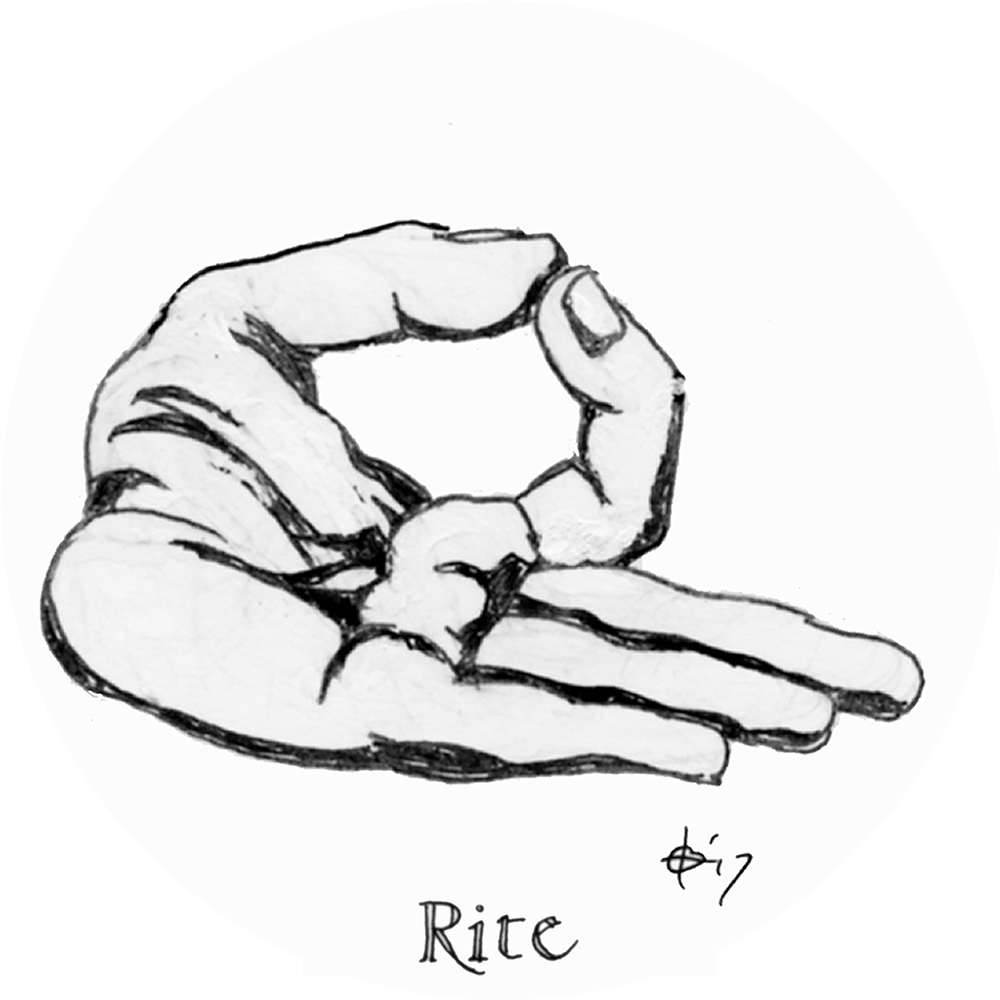
Rite - pictogram Louis van Marissing
Thinking about the many rituals that take place in my life, whose nature and supposed purpose I often discard, Hıdırellez has always been the exception. It has earned itself over the years, to my surprise, a special place in my heart. I can’t tell for sure why this has come to be: perhaps it is its wishful nature, perhaps it is the fact that it invites me to have a bit of fun with it, or perhaps it is its mythic aspects that I admire? Or perhaps (and even more likely) that it is something I share with my mother, for whom family rituals are an indispensable part of life. She disapproves of, but often tolerates my lack of interest in rituals and refusal to conform to conventional means of finding meaning in life. But she always invites me to take part in Hıdırellez because she understands that it is the one ritual that works for me.
Hıdırellez: A Short Introduction
It is a simple ritual really. Every year at the dawn hours of the 5th of May, we put our wishes on a small piece of paper. We do not even need to use words; if we find ourselves lacking the right words for our wishes, we can always make a drawing or two. God knows the true nature of our desires, after all, so putting the words on paper is just a formality. We then fold those bits of paper nicely and bury them under a rose bush. My mother has, in her small garden, a gorgeous rose bush that has over the years slowly taken over half the terrace. The next day we dig up our wishes and take them to a small river or a quiet stream. We put the pieces of paper in the water and watch them drift away. This way, as the tradition goes, we guarantee their coming true.
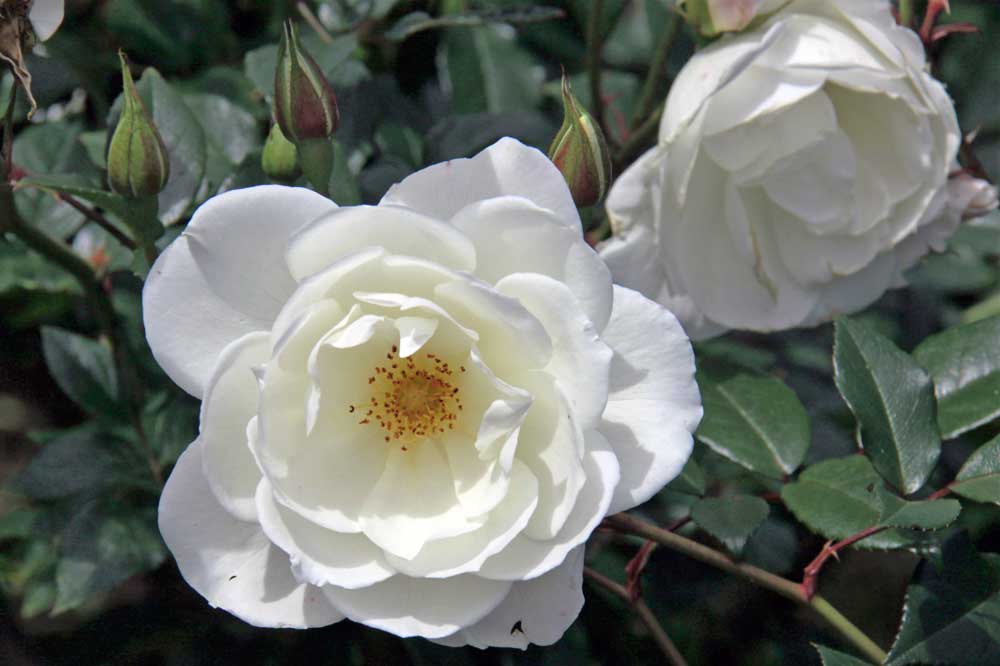
This ritual is connected to the age-old folk holiday called Hıdırellez. Today it is celebrated in many Balkan and Near East countries such as Turkey, Albania, Crimea, and Syria. It is observed on the 5th of May or the 23rd of April depending on which calendar is used. In Turkey it is on the 5th of May where it is revered and celebrated by various ethnic groups within the country.
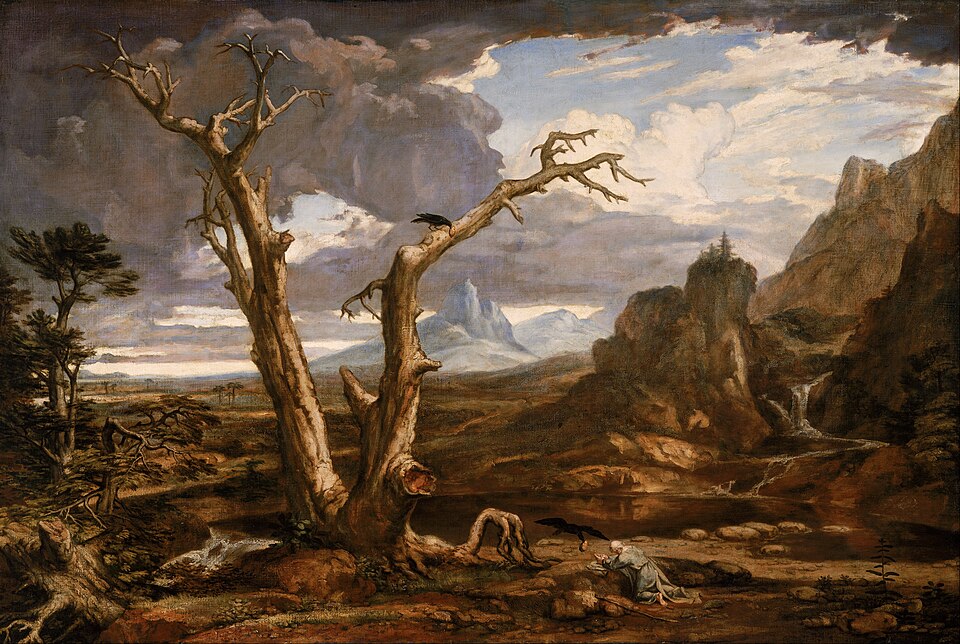
Washington Allston (1779–1843) oil painting,"Elijah in the Desert"
There is a story behind it, of course; it is the day when two prophetic figures: al-Khidr (Hızır in Turkish and argued by some to be St. George) and Elijah (İlyas in Turkish) meet every year. This yearly meeting up symbolizes the meeting of earth and water, heralding the arrival of spring. The name that we Turkish people give this holiday, “Hıdırellez”, is an amalgamation of these two names. According to the legend, Hızır provides help to those who are in need on land, and İlyas to those on water. Once every year, they meet under a rose bush, and on that day the wishes and prayers asking for help that were placed under the bush are brought to their attention.
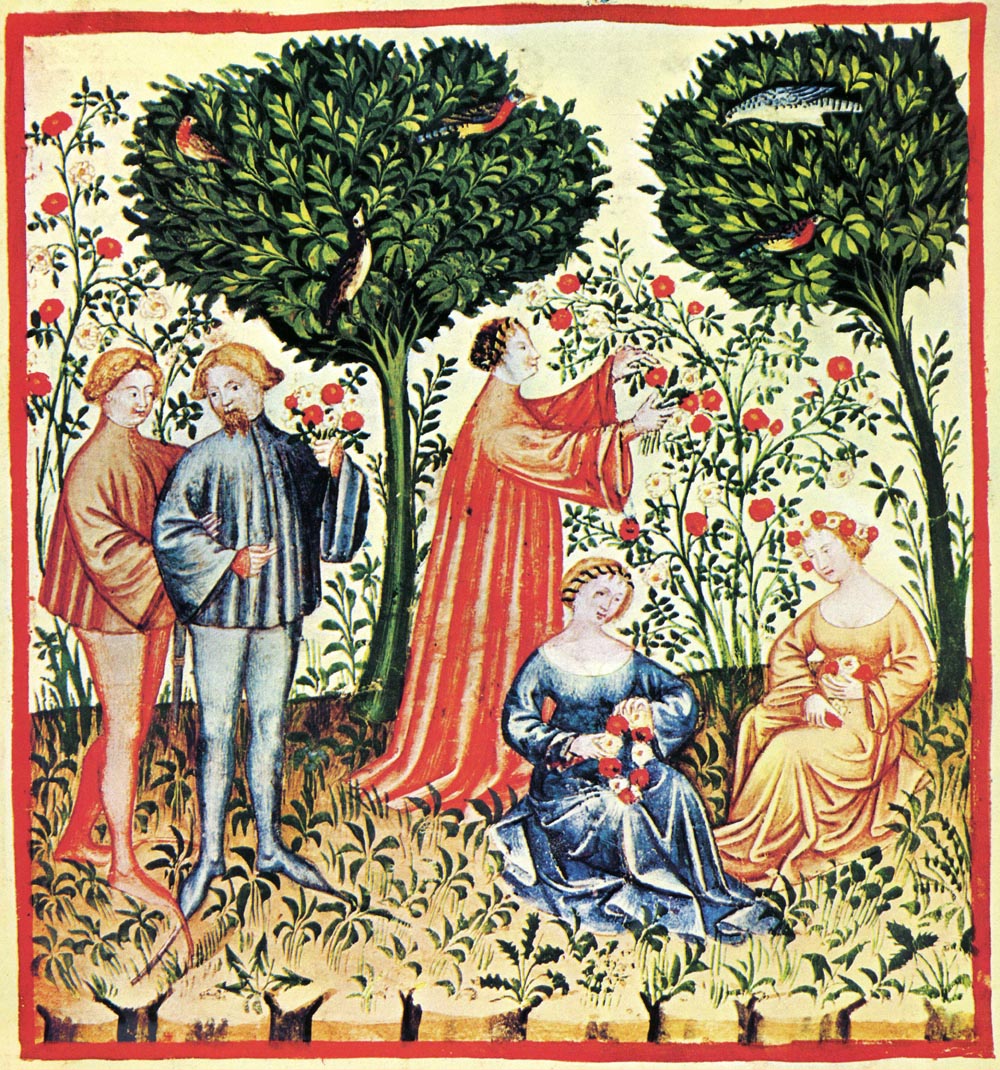
Tacuina sanitatis (XIV century), Casanatense 4182
What kind of wishes are written down on those pieces of paper? What could a mother want for herself and her children? She asks for what every mother has ever asked for ages: a good spouse, good fortune, and good health. Some perhaps wish for a nice car. Some perhaps ask for their children to be successful in their businesses. A bit more money in their bank accounts. Or perhaps a second summer house if they’re allowed a bit of greed? The simple means of a good life.
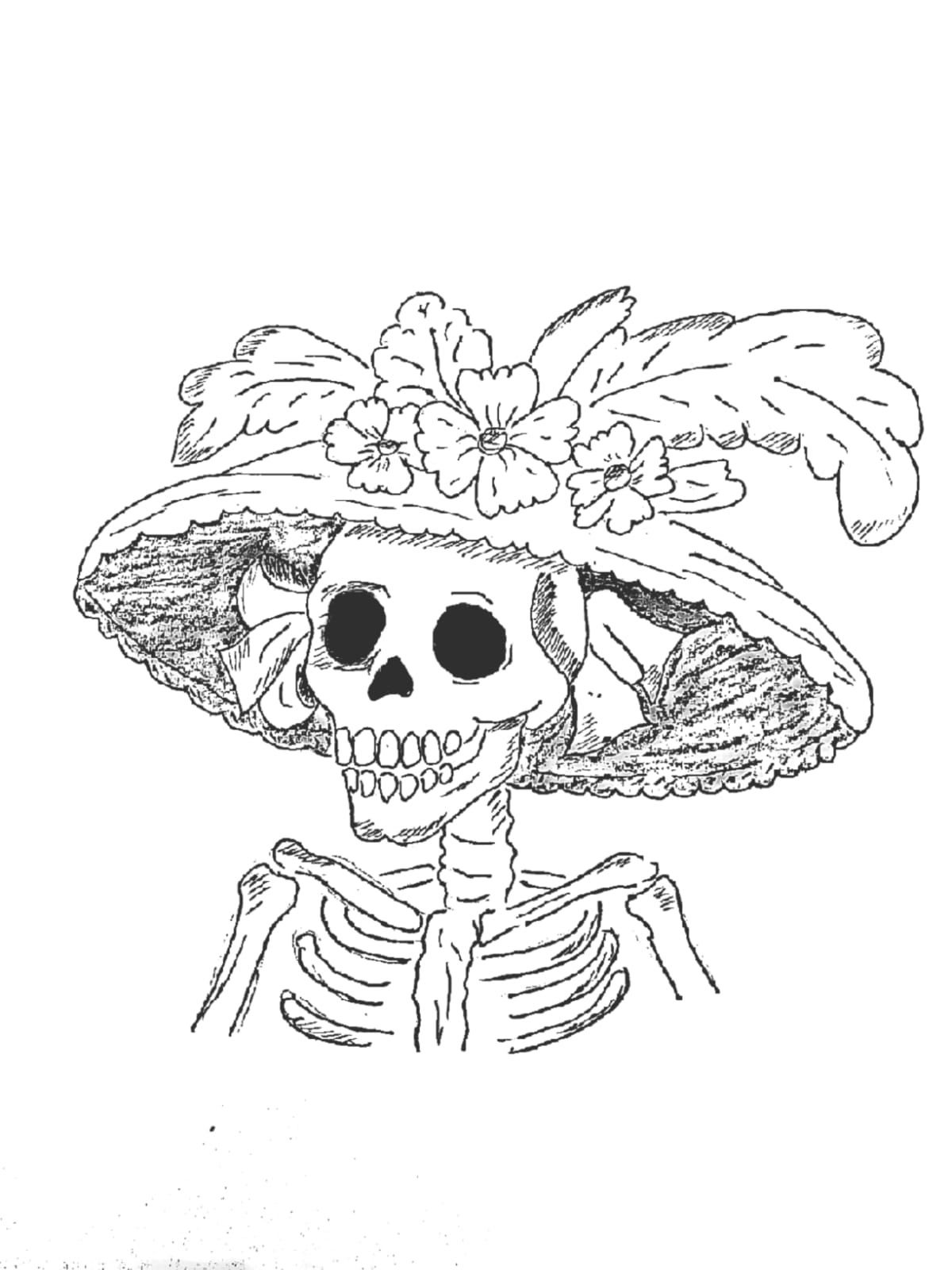
Dia de los Muertos: Fiestas rituales con Senora Catharina de Mexico
There is a certain naïveté to making such wishes that we associate with this ritual. The bitter discrepancy of those who get their wishes fulfilled in spades, versus those who deserve it the most but get none, does not escape me. Life has not been kind to many such mothers for so long. Hızır or İlyas have not been around for so many in their darkest times of need. The simplest of human needs have not been met, so many mothers have had their wishes for their children left unheard and unanswered.
The cruelty of asking for a blessing and then to be so brutally denied has bothered me so much that it nearly killed my faith at an early age. Having studied philosophy for many years, I have come to believe, with full conviction, that meaning has to reflect and corroborate with reality, and there was none of this to be found in wishful thinking. I thought finding meaning was first and foremost a destructive act. To reach for meaning, I would have to pull apart traditions, my preconceived notions and misplaced convictions and try to find some kernel of truth in them. If a tradition or a ritual act failed to yield any slice of reality, they were to be discarded immediately.
Revisiting Rituals
Now that I have grown a bit older, I see the harshness with which I approached the notion of ritual. It feels unfair to judge something like Hıdırellez, that I hold so dear, with being so detached from reality, whereas it is in fact the expression of very real concerns and worries that people have experienced throughout the centuries. I now understand the seeds of hope these wishes contain. The hope for someone to show up and ease our pains in this life.
Having worked with Heidi Muijen on this series of contributions on international rituals, I feel compelled to revisit some of the problematic aspects of rituals. Some questions regarding the nature of rituals as well as those who engage in them persist for me. For instance, do we engage in rituals expecting some concrete results? Are rituals transactional that way? If not, is there even a point to them? Do rituals mean the same thing to all those who engage in them? Last but not least, how does my own reluctance to partake in rituals affect my relationship with the people with whom I share a culture and a history?
These are all valid questions as far as I am concerned, and I hesitate to take the plunge into reengaging with rituals while they remain unanswered. Now that the end of the year is slowly creeping up on us, and many beautifully written pieces on rituals have been published on our online platforms, perhaps it is time for me to return to those questions. I would like to suggest to you, dear reader, a brief meditation on the nature of rituals on the following pages.
Perhaps rituals have something to offer us?
What and how could that be?
Let me start my meditation with the following: I believe there is an inherent tension between ritual and meaning, and this tension is critical to the validity of the ritual as far as I am concerned.
Often when rituals have lost their immediate ties to the conditions from which they have sprung, they end up being a process of simply going through the motions. The narrative essence of the transition from the (pre)historical source to today’s ritual is then gone. The stories behind such rituals might be acknowledged now and then, but the masses cannot associate those stories with the human condition that once lead to the creation of those rituals. Yet, in this historically detached form they still retain the power to keep communities together.
The Question of Meaning
What is meaning then? Meaning is essentially the living product of an active process. It cannot be inherited; it needs to be sought out and embodied by the individual. The content through which meaning assumes form can stem from all sorts of sources. How this content leads to the creation of meaning is equally dependent on the individual’s community and their isolated efforts.
Narratives that have their roots in the distant past are such pieces of content, as well as the individual’s interactions with their environment, their lived experiences and the reflections that follow. Communities, tribes, nations could tap into a greater reservoir of content and narratives in an attempt to give meaning to their lives and actions. Needs, desires and the visions of those who have come before us can affect us now, and their mark can be seen within what we can call the spirit of a community.
The critical point here is that meaning is a cyclical process of deconstruction and reconstruction. Meaning requires a deconstructive attitude towards pre-established prejudices and presuppositions. The forming of meaning takes place only after the first attempt to dismantle values has been made. Times change and we take a look back at what we know, and try to match this knowledge with our contemporary conditions and experiences. If our narratives about ourselves as individuals and as communities fail to match the reality of today, then we must reconsider our position. That is foundational to creating meaning.
Hoe hebben rituelen betekenis?
If a community struggles to build meaning anew, the individual likewise struggles. Communities that have lost or been confused about the connection between their shared histories and their current realities will unavoidably transfer this confusion to the individual. What we then get is a community consisting of similarly confused (and often frustrated) individuals. Such a community will be less inclined to meddle with values in such a deconstructive fashion through their rituals. It will most likely choose to go down a route where outdated values are reaffirmed and irrationality takes hold, which weakens a ritual’s claim to meaning.
The stark shift of public opinion within the Western world that we can all observe these days is an example of such communities in crisis. In their desperate attempts to reclaim their identities, Western communities of today wish to go back to some imagined distant golden age. Contemporary politics in these societies have been shaped to a large extent by ultra-conservative ideologies that channel this desperation into oppressive legislation and the total undermining of democracy.
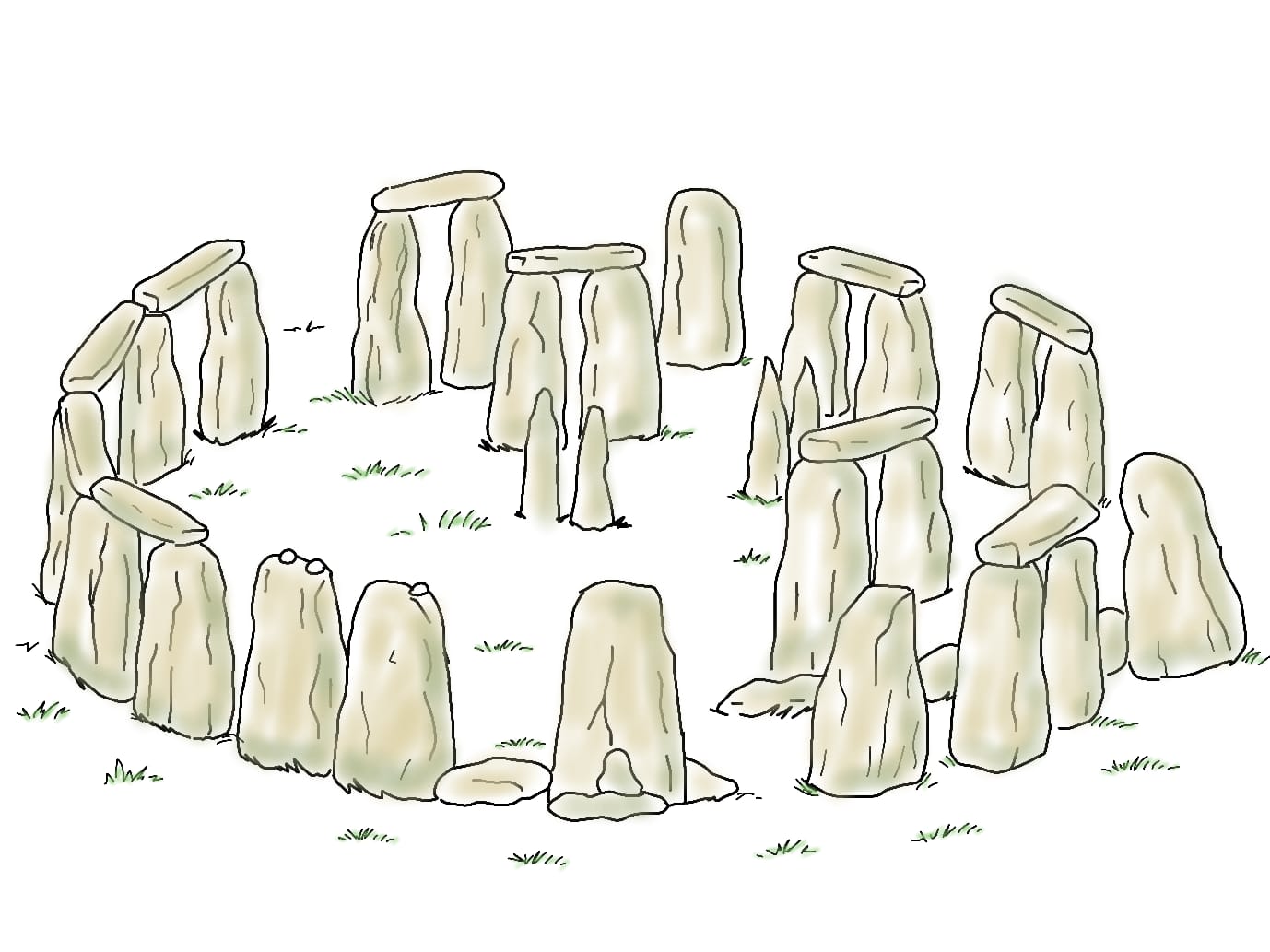
Stonehenge, Site of ancient rituals - drawing Yassine el Azabi
We are confronted with an important question at this point: How can rituals fulfill their purpose even when their connection to meaning as I have described it has been severed? Willem Voois argues that rituals work precisely because they lack meaning. As the argument goes, once divine transaction is removed from the equation, ritual might reveal itself in full. But how?
If ritual and meaning cannot coexist, they could work as separate dynamics that give shape to an individual’s life as well as societies. Ritual then is kept alive through repetition: going through the motions. Repetition in this case refers to a distant past whose ancient ways are now lost to us. What remains from that now-broken narrative is the performance itself, so we repeat the motions not for the results they might yield or what they might have once meant to previous generations, but for the sake of repeating them.
The purpose of the ritual is simply itself. Rituals are performed because this is precisely what has been done for aeons, and that line of succession cannot be/ should not be broken. I bury my wishes under the rose bush with my mother because for centuries this is what mothers and their children have done.
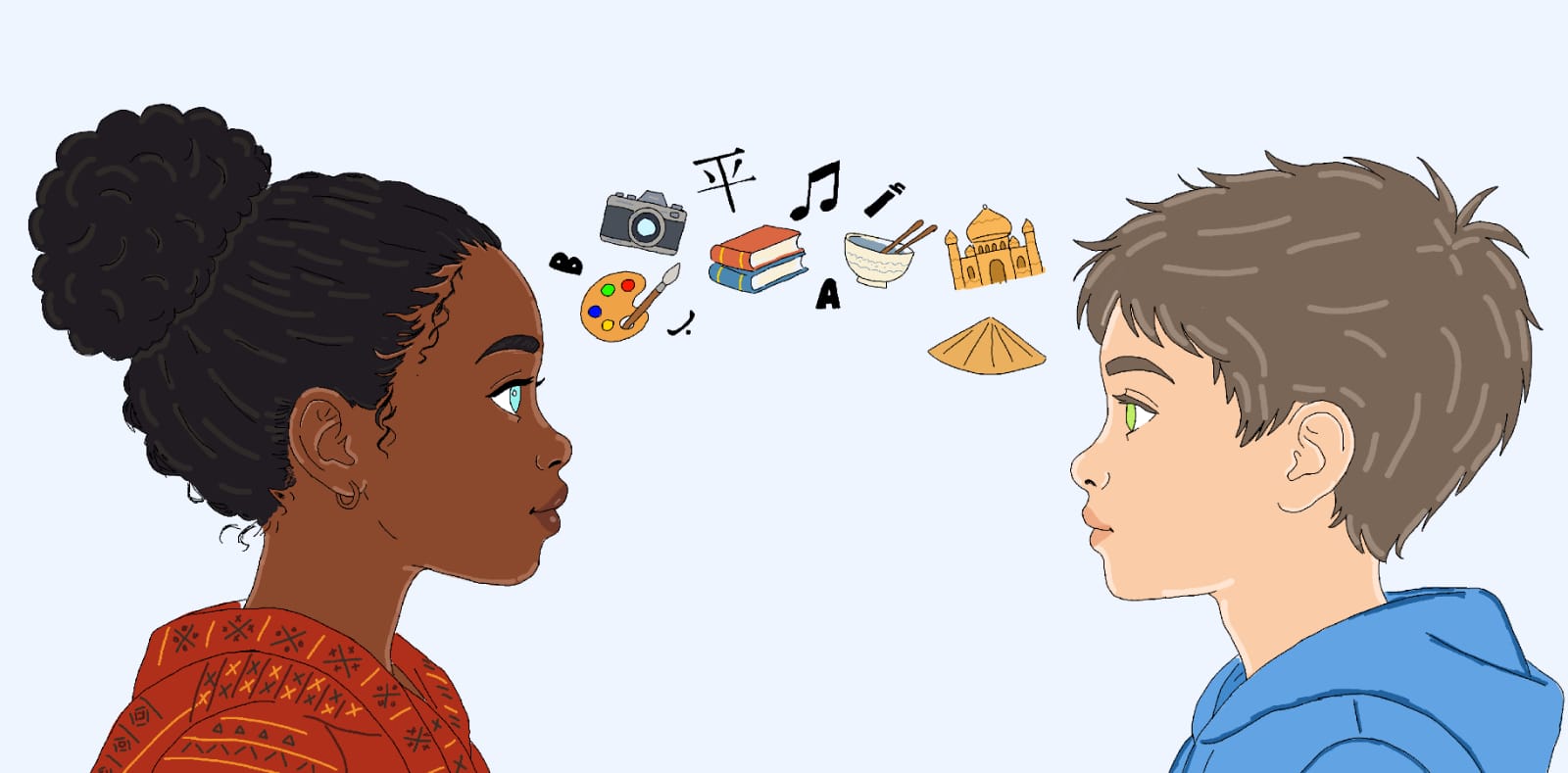
Willem Voois’ comparison of rituals to artistic creation might be misleading. Art-making is not ritualistic if we take the rituals of confused communities into consideration. Rituals of that kind do not usually allow for creativity or novelty, whereas artistic creation thrives on it. At their most unique and genuine, true works of art are responses to an inner call that the artist cannot possibly ignore.
I must concede perhaps, that they do not have to stand in opposition to one another. One can imagine a balance between reason, meaningful ritual and artistic expression. We can even picture them as three fundamental columns on which the human creature stands, each placed firmly on different aspects of human existence: Ritual paired with historical narratives operating as a reminder of the bond between us and our ancestors, reason representing our ability to know ourselves and our capabilities, and finally, the arts connecting us with each other in joy and suffering alike.
My irritation still remains, however, as I try to figure out what it is about rituals that upset me so. And what is so special about Hıdırellez that I actually enjoy participating in it?
The Problem with Rituals
There’s one aspect of rituals that repel me from their very notion: they are often communal activities. I approach the idea of masses bonding over religious or semi-religious experiences with suspicion. I find such an attitude quite reasonable and necessary, considering the past few tumultuous decades in my own country of Turkey and the state of the world in general. The problem with the masses is that they are slow in their thinking and can be steered into such directions that their confusion is taken advantage of.
Often, societies that experience a moment of panic, such as periods of identity crises, fall back into old rituals hoping to find some crumb of meaning. The problem is that the cause of their confusion has already robbed their rituals of all meaning, and in their absence, another ideology takes over. Communities that cannot come to terms with their current realities also fail to have a vision of the future for themselves. To remedy their confusion they adopt ideologies that provide them with ready-made sets of meaning. These are without exception tailored specifically for the communities to lead them down into a particular political agenda, where they lose their autonomy as they gradually forfeit their agency to reconsider and reconstruct meaning on their own terms.
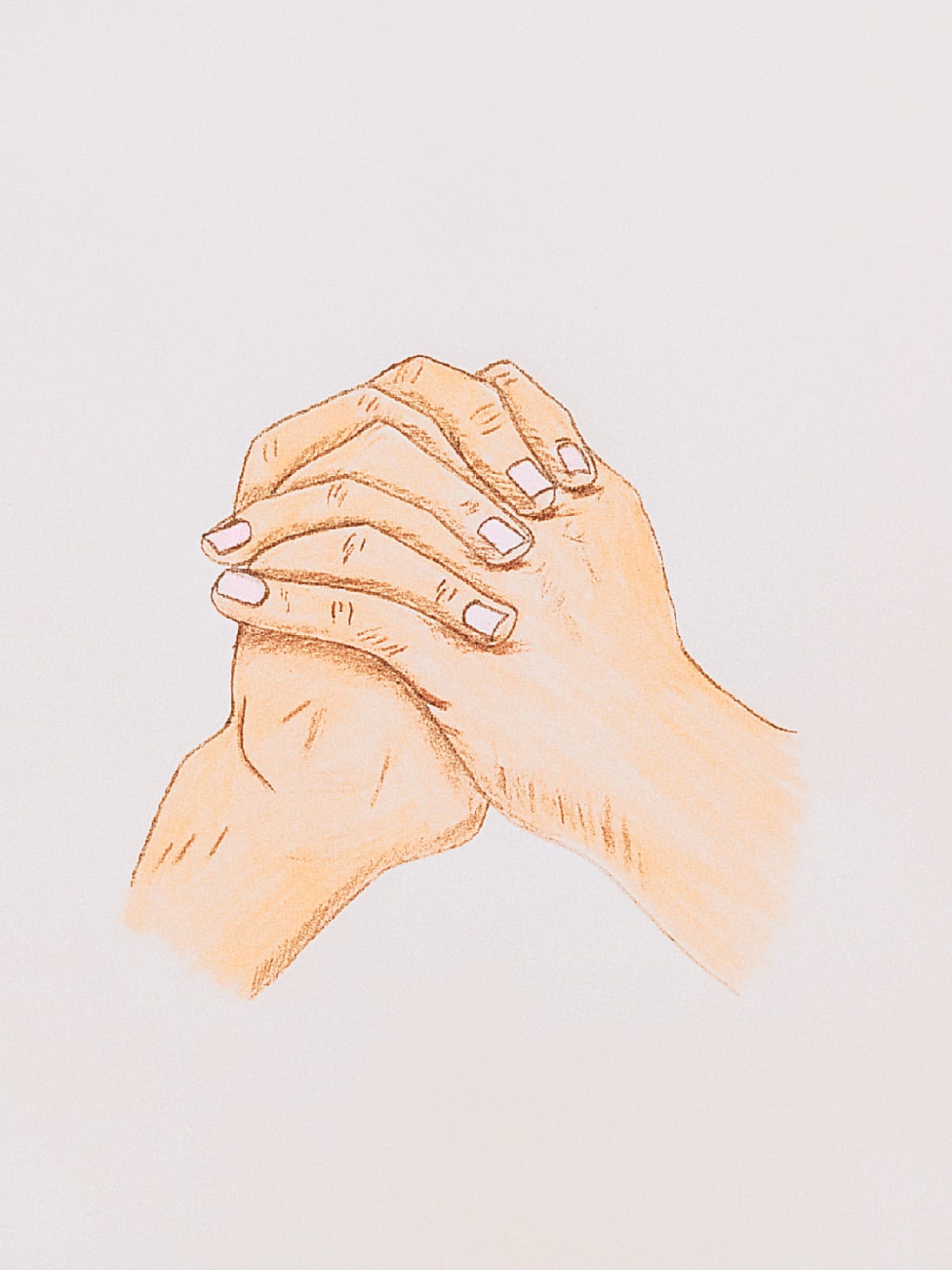
You see, I do not agree with the argument that rituals work precisely because they are meaningless. I believe that to keep alive a ritual one must relate it to the circumstances and the reasons that might have lead to its creation. They are an expression of human needs and the needs they are created to fulfil should be experienced firsthand, so that the ritual itself is sustained and performed with meaning. Without meaning, it is only going through the motions, and I simply have no use or patience for that. I even find it somewhat insulting towards the ancient wisdom from which the rituals first came into being.
What is it about Hıdırellez that separates it from all the rest of the rituals that are in the same vein? There are a few factors as to why I actually enjoy this particular ritual, as I have already mentioned in the previous pages.
References Images in the Public Domain:
- 1-primavera,Taccuino Sanitatis, Casanatense 4182. Date 14th century
Source: book scan, Author unknown master.
Op 5 november 2026 opgevraagd van https://commons.wikimedia.org/wiki/File:31-primavera,Taccuino_Sanitatis,_Casanatense_4182.jpg?uselang=en#Licensing - Oilpaiting by Washington Allston (1779–1843), Google Art Project,
“Elijah in the Desert”, Collection
Museum of Fine Arts Boston – Accession number 70.1
Source/Photographer _QHY5MD3BaCeHA at Google Cultural Institute
Op 6 november 2026 opgevraagd van https://commons.wikimedia.org/wiki/File:Washington_Allston_-_Elijah_in_the_Desert_-_Google_Art_Project.jpg?uselang=en#Licensing

Gerelateerde artikelen
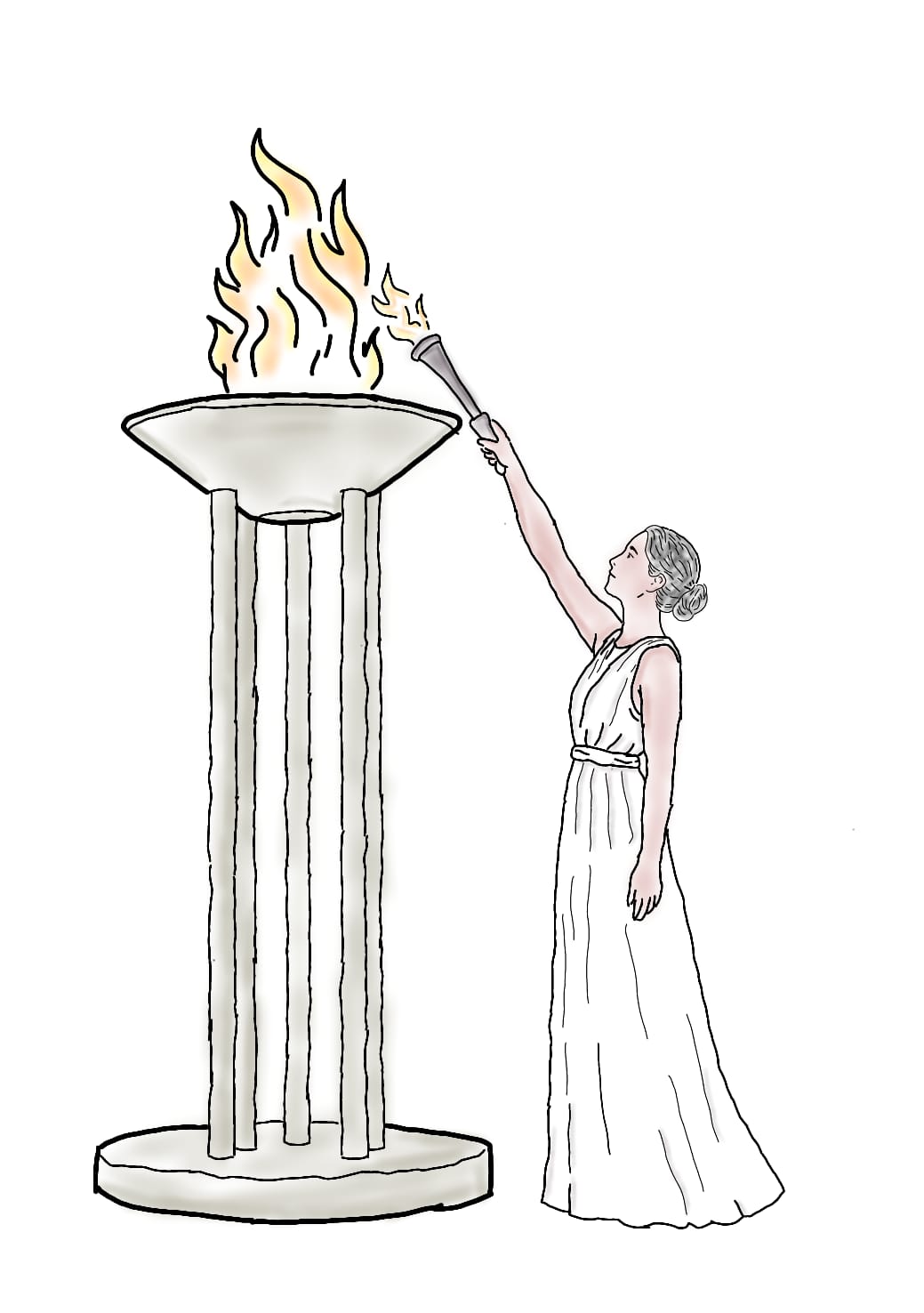
Beschouwing, Inter-Culturele Rituelen voor Wereldburgerschap
Beeldende Kunst, Beschouwing, Inter-Culturele Rituelen voor Wereldburgerschap
Beeldende Kunst, Beschouwing, Inter-Culturele Rituelen voor Wereldburgerschap